At first glance, Plastic Mesh may seem similar across materials, but in reality, HDPE, PE, and PP each directly impact durability, cost efficiency, and performance in aquaculture and production environments. Many fish farmers, distributors, and businesses tend to choose based on price alone, often overlooking technical specifications—leading to faster degradation and higher replacement costs.
This article provides a detailed comparison of Plastic Mesh types based on durability, tensile strength, UV resistance, and real-world applications. It helps you determine the most suitable option for specific needs such as fish cage farming, agriculture, or commercial distribution. If you are looking for a solution that balances durability and long-term cost savings, SIAM Brothers Vietnam offers concise yet in-depth guidance to support your decision-making.
1. What Is Plastic Mesh? Why Choosing the Right Material Matters
1.1 What Is Plastic Mesh?
Plastic Mesh is a material manufactured from synthetic polymers such as HDPE, PE, or PP. It is lightweight, flexible, corrosion-resistant, and suitable for outdoor or aquatic environments.
It is widely used in:
- Fish cage farming systems
- Agricultural protection and shading
- Industrial and construction applications requiring durability and flexibility
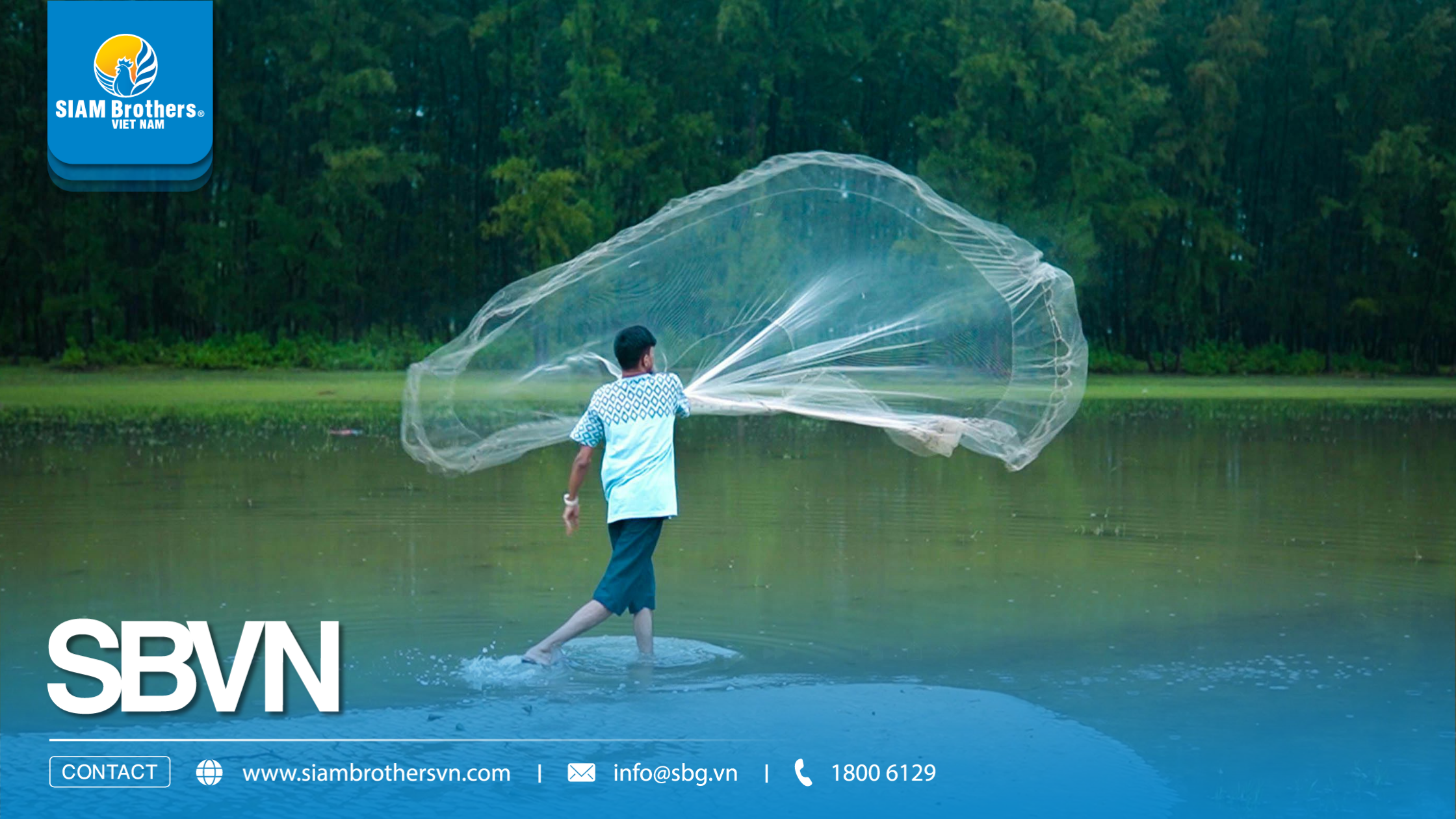
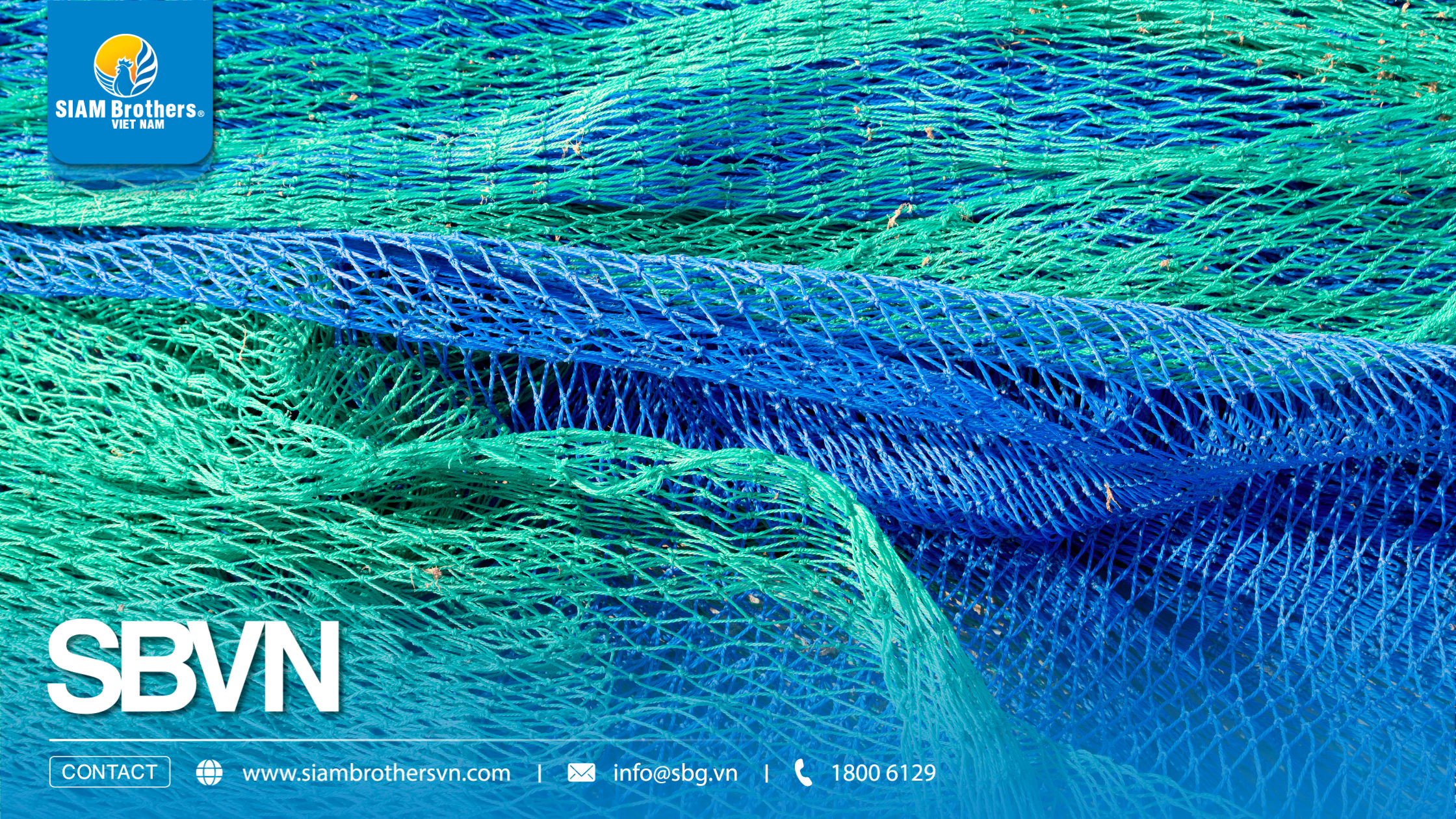
High-durability HDPE Plastic Mesh for offshore fish cage farming – Source: SBVN
1.2 Key Characteristics of Plastic Mesh
- Manufactured from virgin or recycled materials such as HDPE, PE, and PP
- Flexible mesh structure with customizable mesh sizes
- Can be enhanced with UV stabilizers for extended outdoor lifespan
1.3 Why Choosing the Right Plastic Mesh Material Is Critical
1.3.1 Impact on Durability and Lifespan
- Each material (HDPE, PE, PP) performs differently under UV exposure and environmental conditions
- Selecting the wrong material may lead to brittleness, tearing, or rapid degradation
1.3.2 Impact on Long-Term Cost Efficiency
- Lower upfront cost does not guarantee savings if frequent replacement is required
- Choosing the right Plastic Mesh helps optimize both investment and maintenance costs
2. Detailed Comparison of Plastic Mesh HDPE, PE, and PP
2.1 Overview Comparison Table
| Criteria |
HDPE Plastic Mesh |
PE Plastic Mesh |
PP Plastic Mesh |
| Durability |
5–10 years |
3–5 years |
1–3 years |
| UV Resistance |
Excellent |
Moderate |
Low |
| Tensile Strength |
High |
Medium |
Low |
| Flexibility |
Good |
Very good |
Moderate |
| Corrosion Resistance |
Excellent (saltwater) |
Good |
Low |
| Cost |
High |
Medium |
Low |
| Main Applications |
Marine cages, offshore |
Agriculture, ponds |
Short-term use |
2.2 Comparison by Application Environment
| Environment |
Recommended Plastic Mesh |
Reason |
| Saltwater, fish cages |
HDPE |
UV-resistant, corrosion-resistant, high durability |
| Freshwater, ponds |
PE / HDPE |
Balanced performance and cost |
| Agriculture |
PE |
Cost-effective, easy replacement |
| Long-term construction |
HDPE |
Lower maintenance cost |
| Temporary use |
PP |
Low cost, easy deployment |
2.3 Cost and Investment Efficiency Comparison
| Criteria |
HDPE |
PE |
PP |
| Initial Cost |
High |
Medium |
Low |
| Replacement Frequency |
Low |
Medium |
High |
| Long-Term Cost |
Low |
Medium |
High |
| Economic Efficiency |
High |
Stable |
Low |
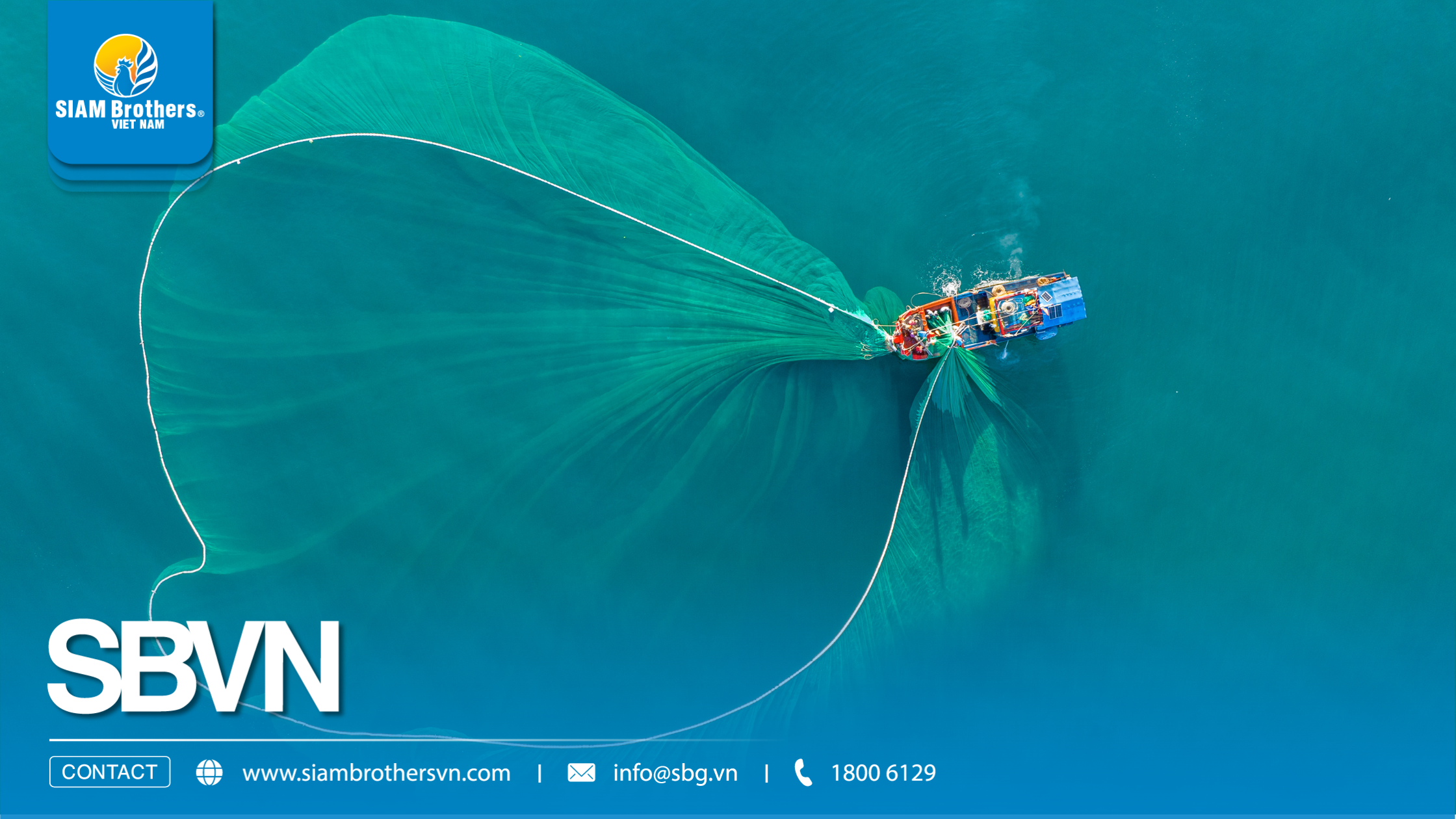
Application of Plastic Mesh in real fish cage farming systems – Source: SBVN
3. Which Plastic Mesh Should You Choose for Your Needs?
3.1 Selection by Application Sector
3.1.1 For Fish Cage Farming (Fishermen, Aquaculture Businesses)
Recommended: HDPE Plastic Mesh
Reasons:
- High tensile strength in strong currents and waves
- Excellent UV and saltwater resistance
- Minimizes risk of tearing and fish loss
Suitable for:
- Offshore and large-scale river farming
- Long-term investment models
3.1.2 For Construction and Industrial Projects
Recommended: High-quality HDPE Plastic Mesh
Reasons:
- Ensures long-term structural stability
- Reduces maintenance and replacement costs
Applications:
- Debris barriers
- Area partitioning
3.2 Selection by Budget and Usage Duration
3.2.1 For Long-Term Use and Lifecycle Cost Optimization
Choose HDPE Plastic Mesh
Benefits:
- Extended lifespan
- Reduced replacement and labor costs
Choose PE Plastic Mesh
Benefits:
- Reasonable pricing
- Stable performance for most applications
Suitable for:
Small to medium-scale farming
3.3 Quick Selection Summary
- For durability in harsh environments → choose HDPE Plastic Mesh
- For cost-effective, balanced performance → choose PE Plastic Mesh
- For short-term, low-budget needs → choose PP Plastic Mesh
3.4 Important Notes When Choosing Plastic Mesh
Prioritize products from experienced and reputable manufacturers
Always verify technical specifications:
- Filament thickness
- Mesh size
- Request expert consultation based on actual usage conditions
- Avoid selecting solely based on price to minimize long-term risks
4. Top 5 Key Criteria for Choosing Plastic Mesh
4.1 Filament Thickness and Mesh Structure
4.1.1 Why Does Filament Thickness Matter?
- Directly determines the tensile strength and durability of the Plastic Mesh
- Thicker filaments help minimize tearing and stretching during use
4.1.2 How to Choose the Right Option
- Fish cage farming: Prioritize Plastic Mesh with thick filaments and a strong structure
- Agriculture: Thinner filaments can be selected to optimize cost
4.2 Mesh Size
- Mesh size determines the ability to retain livestock or provide protection
- Incorrect sizing may lead to losses or reduced efficiency
4.2.2 Selection Guidelines
- Fish farming: Choose mesh size appropriate to fish size
- Agriculture: Select based on purpose such as shading or insect protection
4.3 UV Resistance and Outdoor Durability
4.3.1 Why Is UV Resistance Important?
- Plastic Mesh used outdoors is constantly exposed to sunlight
- UV radiation is a key factor causing brittleness, cracking, and reduced lifespan
4.3.2 How to Identify Suitable Products
- Prioritize products with UV stabilizers
- Choose HDPE Plastic Mesh for long-term use in harsh sunlight conditions
4.4 Actual Usage Environment
4.4.1 Environment Classification
- Saltwater or brackish water: Requires high corrosion resistance
- Freshwater: Moderate requirements with flexible options
- On land: UV resistance is a priority
4.4.2 Selection Orientation
- Harsh environments: Choose HDPE Plastic Mesh
- Moderate environments: PE can be used to optimize cost
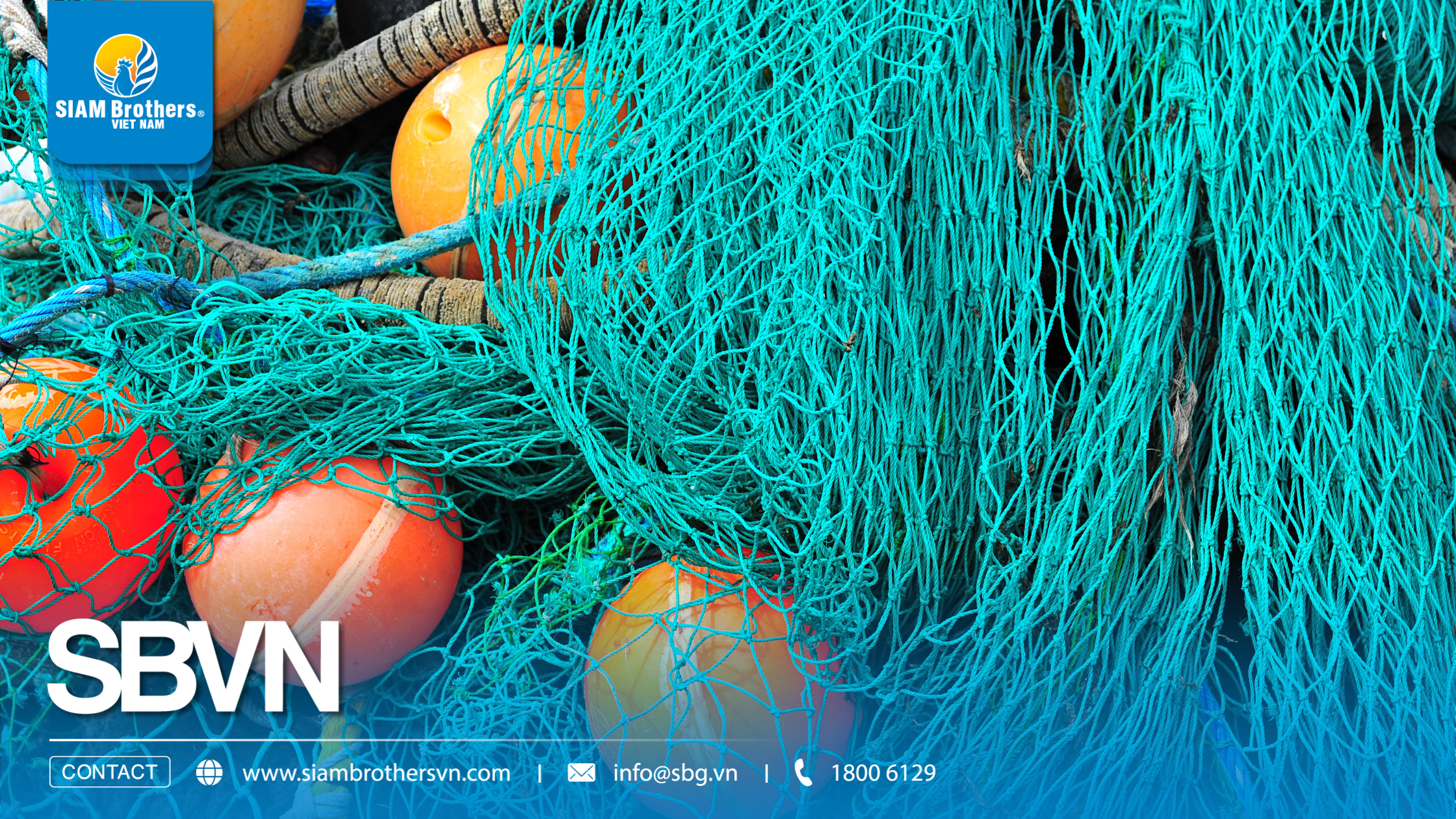 Choosing the right Plastic Mesh helps reduce long-term replacement costs – Source: SBVN
5. FAQs – Frequently Asked Questions About Plastic Mesh
5.1 Which Plastic Mesh Is the Most Durable?
HDPE Plastic Mesh offers the highest durability
Reasons:
- Excellent UV resistance
- Superior tensile strength and abrasion resistance
Suitable for: Saltwater environments and long-term outdoor use
5.2 How Long Does Plastic Mesh Last?
- HDPE: 5 to 10 years
- PE: 3 to 5 years
- PP: 1 to 3 years
Note: Lifespan depends on environment and usage conditions
5.3 Does Plastic Mesh Become Brittle or Degrade?
Yes, if:
- It lacks UV stabilizers
- It is exposed to high temperatures and prolonged sunlight
Solutions:
- Choose high-quality HDPE or PE Plastic Mesh
- Prioritize products from reputable manufacturers
5.4 Should You Choose Low-Cost or High-Quality Plastic Mesh?
Low-cost options:
- Suitable for short-term use
- May result in unexpected replacement costs
High-quality options:
- Higher initial investment
- More cost-effective in the long term
Recommendation: Evaluate based on usage goals and budget
5.5 Can Plastic Mesh Be Used in Saltwater?
Yes, if the correct material is selected
- Recommendation: Use HDPE Plastic Mesh for saltwater environments
- Not recommended: Using PP in these conditions
5.6 How to Choose the Right Plastic Mesh for Your Needs?
Clearly define:
- Usage environment (saltwater, freshwater, on land)
- Duration of use (short-term or long-term)
Check:
- Filament thickness
- Mesh size
Consult: Experienced manufacturers for technical guidance
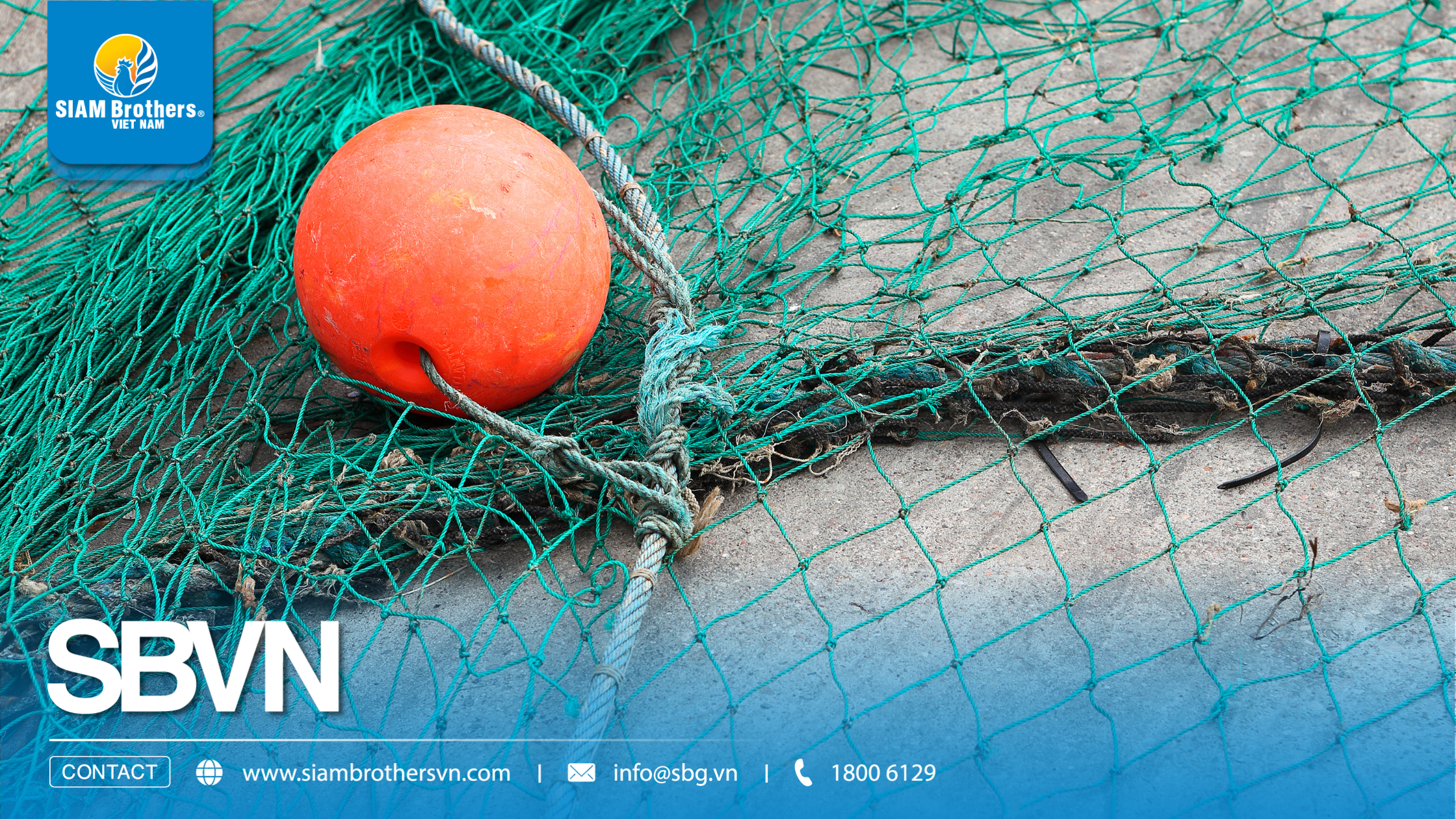 High-quality Plastic Mesh improves efficiency in aquaculture and production – Source: SBVN
Plastic Mesh differs significantly across materials such as HDPE, PE, and PP, directly impacting durability, performance, and long-term investment efficiency. Based on comparative criteria and real-world applications, each type serves a specific purpose: HDPE for harsh environments, PE for cost-effective solutions, and PP for short-term use. Choosing the right Plastic Mesh from the beginning helps minimize risks, reduce replacement frequency, and improve operational efficiency in aquaculture and production. If you are unsure which option best fits your needs, contact SIAM Brothers Vietnam today for expert technical consultation and the most competitive quotation tailored to your requirements.
Source: SIAM Brothers Vietnam
Contact us:
► Address: 5th floor, VRG Building, 177 Hai Ba Trung Street., Xuan Hoa Ward, Ho Chi Minh City, Vietnam
► Hotline: 1800 6129
► Tel: (+84) 28 38 912 889
► Email: info@sbg.vn
► Follow us for more details at: Facebook - Zalo OA - Tiktok - Youtube - LinkedIn
Download SBVN ID app here:
► CHPlay
► Appstore

Economic Efficiency