The Fish Farming Process may seem straightforward, but it directly determines productivity, survival rate, and overall profitability for farmers. A single mistake in pond preparation, seed selection, or water management can lead to significant losses and increased operational costs.
This article provides a comprehensive, step-by-step Freshwater Fish Farming Process from A to Z, following technical standards to optimize growth rates, minimize disease risks, and effectively control costs. The content is developed based on practical experience and commercial farming models, making it suitable for both small-scale farmers and large aquaculture operations. If you are looking for a sustainable, practical, and cost-efficient fish farming solution, this guide is an essential reference.
1. What is the Fish Farming Process? Why Does It Determine Productivity and Profitability?
The Fish Farming Process is a structured system of technical steps arranged in a logical sequence, from preparing the farming environment to harvesting. It enables farmers to control the entire lifecycle of fish development and optimize production efficiency.
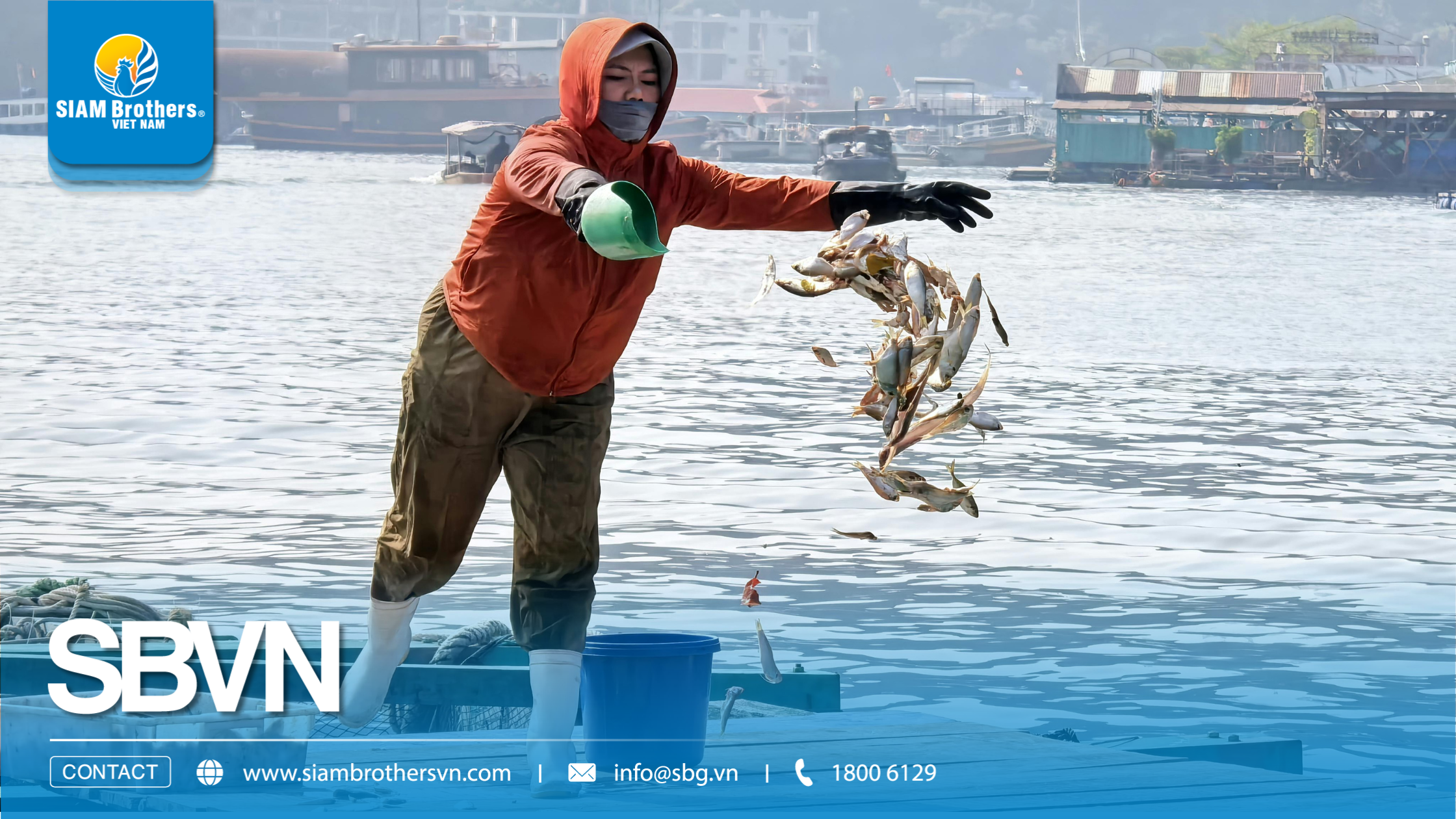 Healthy fingerling selection is a critical step in the commercial Fish Farming Process – Source: SBVN
1.1. Key Components of the Fish Farming Process
- Preparing ponds or floating cage systems (area, depth, structure)
- Treating and managing water quality (pH, dissolved oxygen, alkalinity, toxic gases)
- Selecting and stocking fish at appropriate densities
- Establishing feeding regimes and managing nutrition
- Monitoring water conditions and farming systems (nets, ropes, floats)
- Preventing and treating diseases throughout the farming cycle
- Harvesting and post-harvest handling
1.2. Characteristics of an Effective Fish Farming Process
- Standardized procedures: applicable across small-scale and industrial farming models
- Risk control capability: minimizes losses and disease outbreaks
- Cost optimization: reduces waste in feed, materials, and labor
- Scalability: suitable for commercial aquaculture expansion
2. Overview of a Standard Freshwater Fish Farming Process
2.1. What Steps Are Included in the Fish Farming Process?
To achieve high efficiency, the Fish Farming Process must follow a scientific sequence with strong interconnection between stages:
2.1.1. Seven Basic Steps in the Fish Farming Process
- Preparing ponds or farming systems (earthen ponds, tanks, cages)
- Treating and improving water conditions before stocking
- Selecting high-quality, uniform fingerlings
- Stocking fish at appropriate density and timing
- Establishing feeding programs based on growth stages
- Continuously managing water quality and farming systems
- Harvesting and post-harvest preservation
2.1.2. Interconnection Between Farming Steps
- Each step directly affects the next and cannot be separated
- Early-stage mistakes (pond preparation, seed selection) impact the entire cycle
- A well-integrated process ensures better risk control
2.2. Key Factors Determining the Effectiveness of the Fish Farming Process
In practice, the success of the Freshwater Fish Farming Process depends not only on techniques but also on how well key inputs are controlled:
2.2.1. Water Environment
- Parameters: pH, dissolved oxygen (DO), temperature, toxic gases (NH3, H2S)
- Direct impact on fish health and growth performance
- Requires regular monitoring and timely adjustments
2.2.2. Fingerlings
- Clear origin, disease-free stock
- Uniform size to reduce competition and mortality
2.2.3. Feed and Nutrition
- Accounts for 60–70% of total farming costs
- Directly affects Feed Conversion Ratio (FCR)
- Needs flexible adjustment according to growth stages
2.2.4. Farming System and Materials
- Nets, ropes, and HDPE floats ensure durability and stability
- Maintain structural integrity of ponds or cage systems under harsh conditions
2.3. Principles for Building a Standard Fish Farming Process
To effectively implement the Fish Farming Process, farmers should follow these core principles:
2.3.1. Standardization and Practical Application
- Clear procedures applicable to different farming scales
- Easy to train and deploy for operational teams
2.3.2. Measurable and Controllable System
- Environmental and growth indicators must be monitored regularly
- Data-driven adjustments for continuous optimization
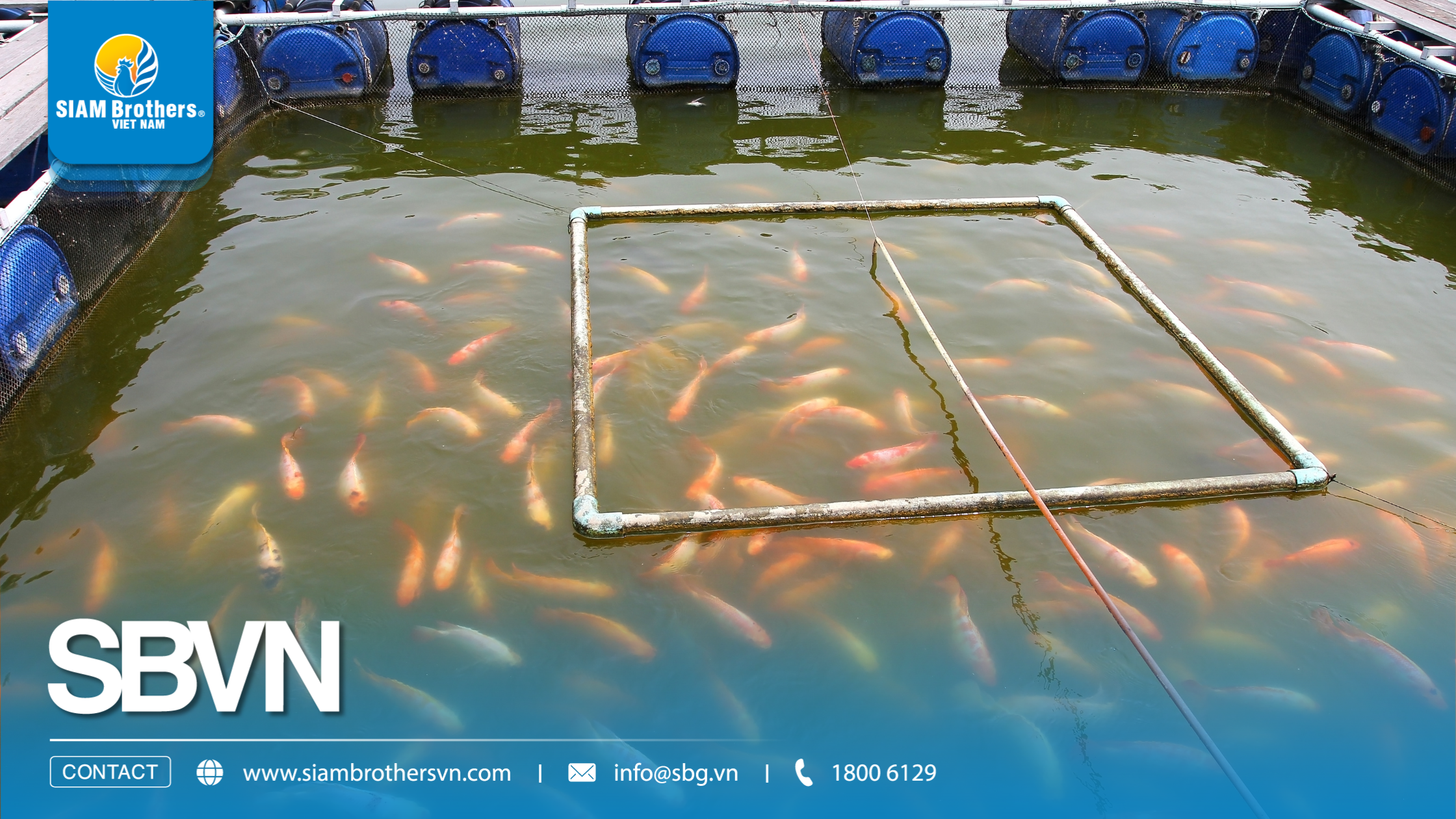
3. Practical Experience to Increase Fish Farming Productivity by 20–30%
3.1. Optimize the Fish Farming Process from the Preparation Stage
An effective Fish Farming Process always starts with proper technical preparation rather than dealing with issues later.
3.1.1. Standardize the Farming Environment Before Stocking
- Maintain stable pH levels between 6.5–8.5 before stocking
- Clean pond bottoms to minimize toxic gas accumulation
- Actively manage water inflow and outflow to control water quality
3.1.2. Select the Right Time for Stocking Fish
- Stock fish in the early morning or late afternoon to avoid thermal shock
- Avoid stocking during unstable weather conditions
- Acclimate fish to the water environment before release to improve survival rates
3.2. Manage Feeding and Growth Efficiency
In the Freshwater Fish Farming Process, feed accounts for a significant portion of costs, so optimizing this stage directly improves productivity.
3.2.1. Adjust Feeding Regimes by Growth Stage
- Early stage: prioritize high-protein, easily digestible feed
- Growth stage: balance nutrition to optimize Feed Conversion Ratio (FCR)
- Pre-harvest stage: minimize losses while maintaining fish weight
3.2.2. Control Feed Quantity and Reduce Waste
- Feed based on actual demand rather than estimation
- Monitor feeding behavior to adjust promptly
3.3. Maintain Stable Water Conditions and Farming Systems
A key factor for achieving high productivity in the Fish Farming Process is maintaining a stable living environment.
3.3.1. Monitor Environmental Parameters Regularly
- Keep dissolved oxygen (DO) at safe levels
- Check NH3 and H2S to prevent toxicity
- Adjust water temperature and clarity as needed
3.3.2. Invest in Durable Farming Systems
- Use high-quality nets to ensure durability and proper water flow
- Strong ropes help stabilize cages under current conditions
- HDPE floats maintain system structure and reduce replacement costs
3.4. Proactively Prevent Disease Instead of Reactive Treatment
In practice, successful models applying the Fish Farming Process prioritize prevention over treatment.
3.4.1. Build a Biosecurity-Based Fish Farming Process
- Prevent contaminated water from entering the farming system
- Control the quality of fingerlings and feed inputs
- Perform regular sanitation of the farming area
3.4.2. Detect and Handle Abnormal Signs Early
- Observe fish swimming and feeding behavior daily
- Monitor water color and odor
- Take immediate action when signs of stress or disease appear
3.5. Optimize Costs and Maximize Profitability
3.5.1. Invest in High-Quality Farming Materials from the Beginning
- Reduce repair and replacement costs during the farming cycle
- Increase long-term durability of the farming system
3.5.2. Optimize Stocking Density and Productivity
- Avoid overstocking to prevent competition and oxygen depletion
- Allocate farming areas appropriately for each growth stage
- Maximize usable space while maintaining optimal living conditions
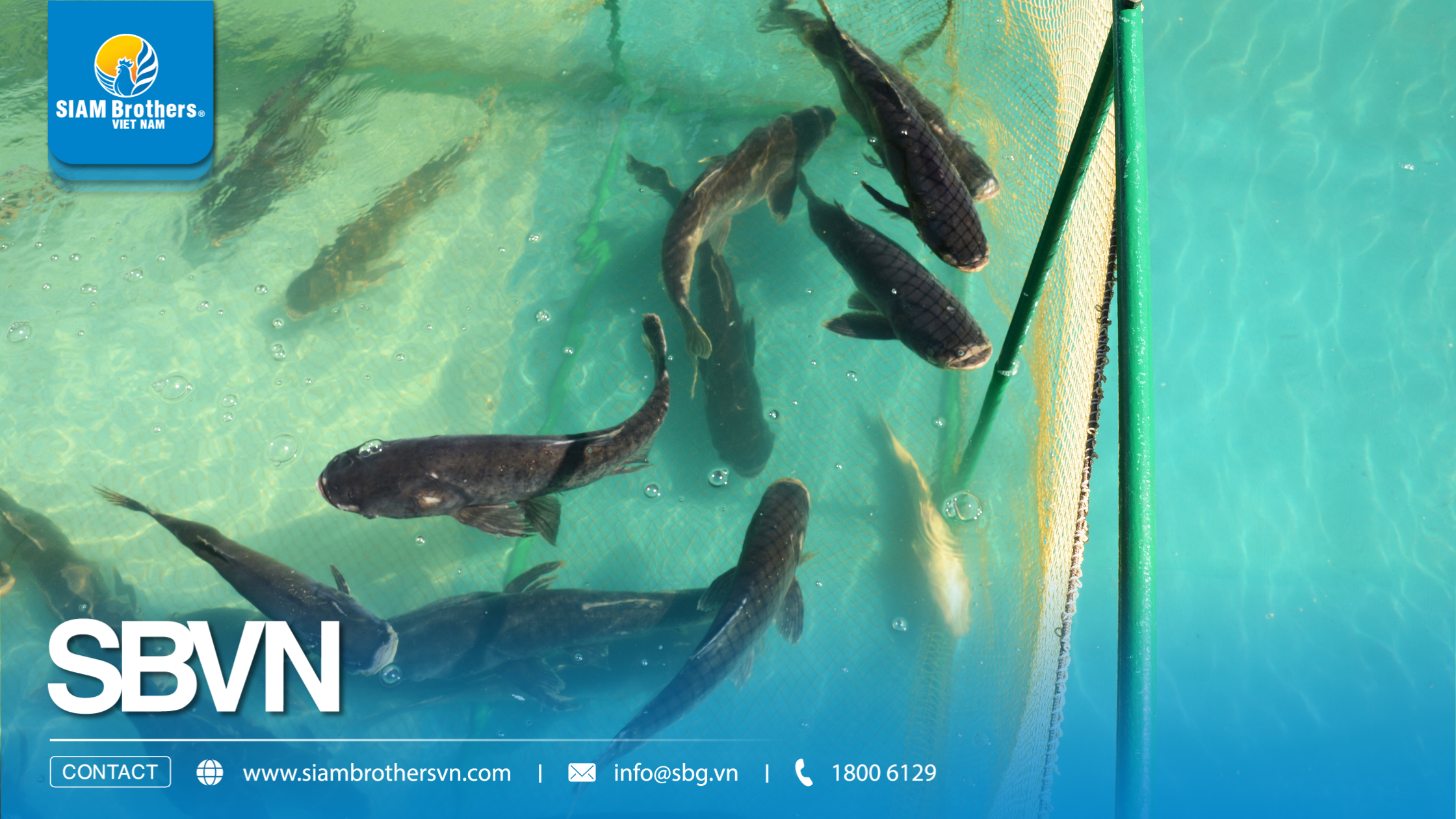 Scientific feeding management helps fish grow faster and reduces farming costs – Source: SBVN
4. FAQ – Frequently Asked Questions About the Fish Farming Process
4.1. How Many Steps Are in the Fish Farming Process?
A standard Fish Farming Process typically includes 6–7 main steps
These include: environment preparation, seed selection, stocking, feeding, water management, disease control, and harvesting
Application Notes:
- Flexible adjustments depending on farming models (ponds or cages)
- Ensure strong linkage between steps to minimize risks
4.2. How Long Does It Take to Harvest Fish?
4.2.1. Estimated Farming Duration
- Tilapia: 4–6 months
- Pangasius: 6–8 months
- Other species: 8–12 months depending on farming conditions
4.2.2. Influencing Factors
- Initial fingerling quality
- Feeding and nutrition management
- Water environment and farming systems
4.3. How to Reduce Disease and Fish Mortality?
- Monitor fish behavior daily to detect abnormalities early
- Avoid overstocking to prevent stress and oxygen depletion
- Use stable farming systems (nets, ropes, HDPE floats) to reduce environmental impact
4.4. What Is the Optimal Stocking Density?
4.4.1. Recommended Density
- Earthen ponds: 2–5 fish/m² depending on species
- Cage systems: 50–100 fish/m³ depending on current and oxygen levels
4.4.2. Selection Principles
- Match density with water quality control capacity
- Ensure sufficient oxygen and living space
- Prioritize long-term stability over short-term high density
4.5. How to Optimize Costs in the Fish Farming Process?
4.5.1. Key Cost Components to Control
- Feed (accounts for 60–70% of total cost)
- Fingerlings
- Materials and farming systems
4.5.2. Effective Optimization Strategies
- Select appropriate feed to improve FCR
- Invest in high-quality materials to reduce replacement costs
- Standardize operations to save labor
4.6. Should You Invest in High-Quality Cage Systems and Materials?
4.6.1. Benefits of Proper Investment
- Extend system lifespan to 5–10 years
- Reduce risks from weather and water currents
- Maintain a stable farming environment for fish growth
4.6.2. Practical Recommendations
- Prioritize durable ropes, nets, and HDPE floats
- Choose reliable suppliers for consistent quality
- Focus on long-term cost efficiency rather than initial price
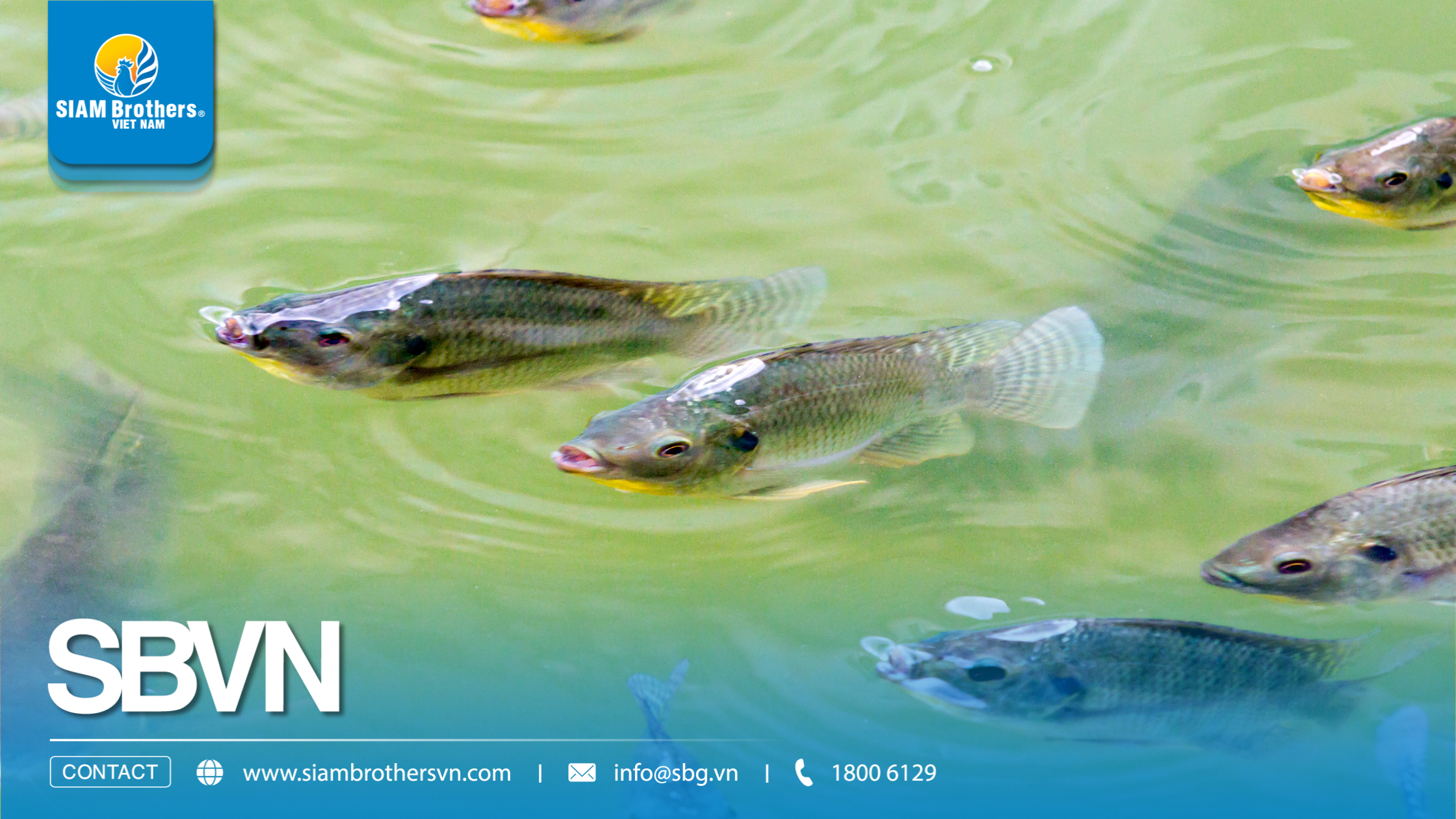 Applying the correct Fish Farming Process helps improve productivity and profitability – Source: SBVN
The Fish Farming Process is not just a sequence of technical steps but a core factor that determines productivity, survival rates, and economic efficiency in aquaculture. When properly applied—from environmental preparation and seed selection to feeding management and system control—fish growth can be optimized while risks are significantly reduced.
Investing in high-quality materials such as ropes, nets, and HDPE floats ensures long-term system stability and lowers operational costs. To achieve sustainable success, farmers must continuously monitor, adjust, and refine their Fish Farming Process based on real-world conditions.
If you are looking for an effective and cost-optimized fish farming solution, contact SIAM Brothers Vietnam for expert consultation and tailored support.
Source: SIAM Brothers Vietnam
Contact us:
► Address: 5th floor, VRG Building, 177 Hai Ba Trung Street., Xuan Hoa Ward, Ho Chi Minh City, Vietnam
► Hotline: 1800 6129
► Tel: (+84) 28 38 912 889
► Email: info@sbg.vn
► Follow us for more details at: Facebook - Zalo OA - Tiktok - Youtube - LinkedIn
Download SBVN ID app here:
► CHPlay
► Appstore