
- 1800 6129

A canoe mooring buoy is not only a simple anchoring aid but also a critical component that ensures safety, stability, and long-term durability for canoes and small motorboats at riverside and coastal docking areas. Choosing the right buoy helps prevent drifting, collisions, and structural damage caused by waves, wind, or tidal changes.
This guide explains how to select a canoe mooring buoy based on load capacity, material quality, durability, and real-world operational experience. By understanding these key factors, fishermen, tourism operators, and marina managers can make the right decision from the start, reducing long-term costs while ensuring efficient and reliable mooring operations.
A canoe mooring buoy is a specialized floating device designed to anchor and secure canoes, small boats, or motorized vessels at a fixed location on rivers, lakes, or coastal waters. The buoy works together with mooring ropes and a seabed anchoring system to prevent vessels from drifting, colliding, or tilting due to waves, wind, or tidal fluctuations.
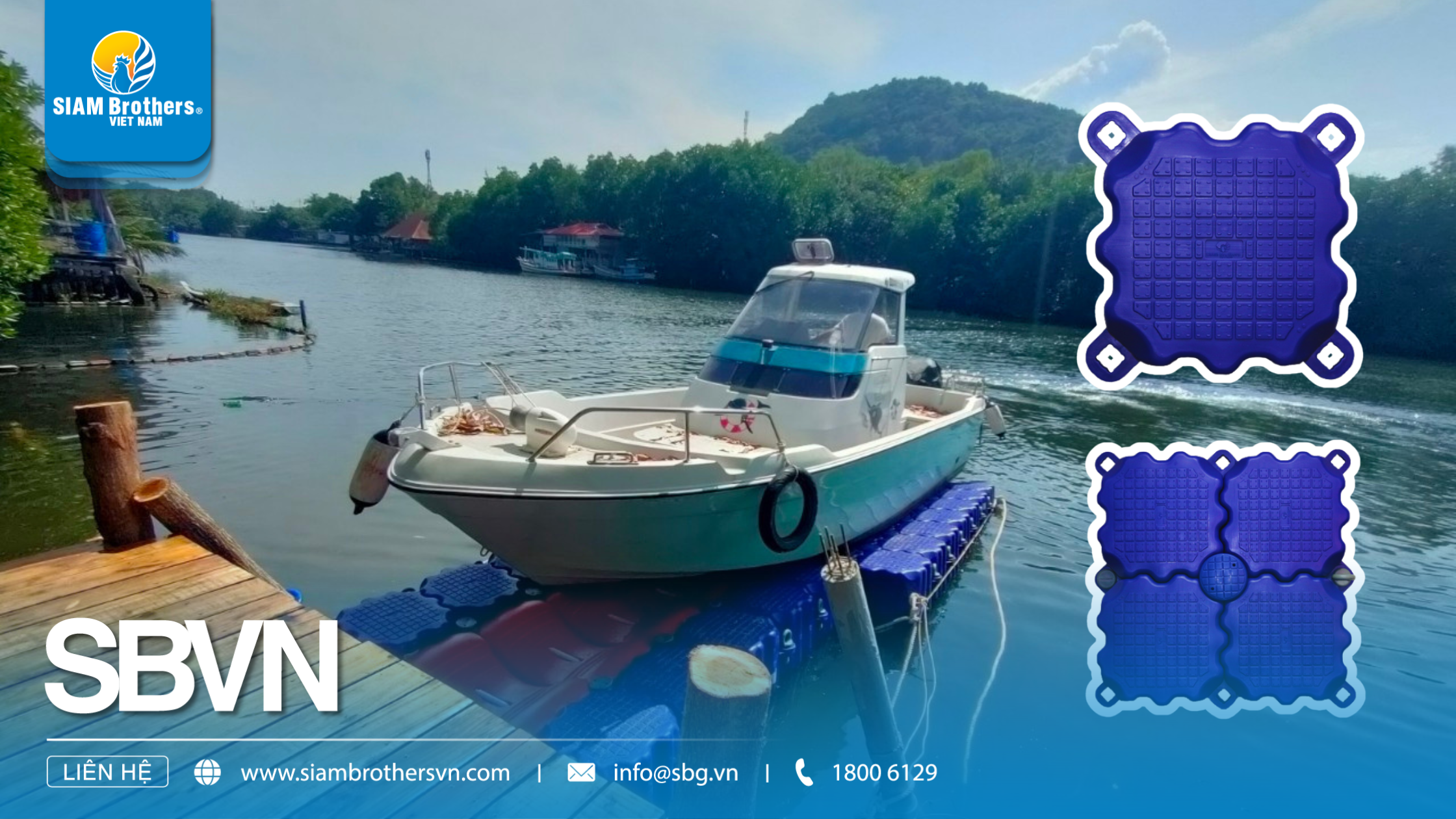
From a technical perspective, a reliable canoe mooring buoy should meet the following requirements:
When Do You Need a Canoe Mooring Buoy?
In practice, not all docking locations are safe if a canoe is simply tied to temporary structures such as poles, riverbanks, or improvised fixtures. Using a canoe mooring buoy becomes essential in the following situations:
In real operational conditions, a canoe mooring buoy does more than simply mark a docking position. It plays a vital role in maintaining vessel stability and protecting both equipment and users. Choosing an incorrect buoy type, insufficient load capacity, or unsuitable material can lead to several safety risks:
Many fishermen and dock operators select buoys based on low price or informal recommendations. However, such decisions often lead to operational problems over time. A substandard canoe mooring buoy commonly causes the following issues:
Selecting the wrong canoe mooring buoy initially can result in multiple hidden costs during operation:
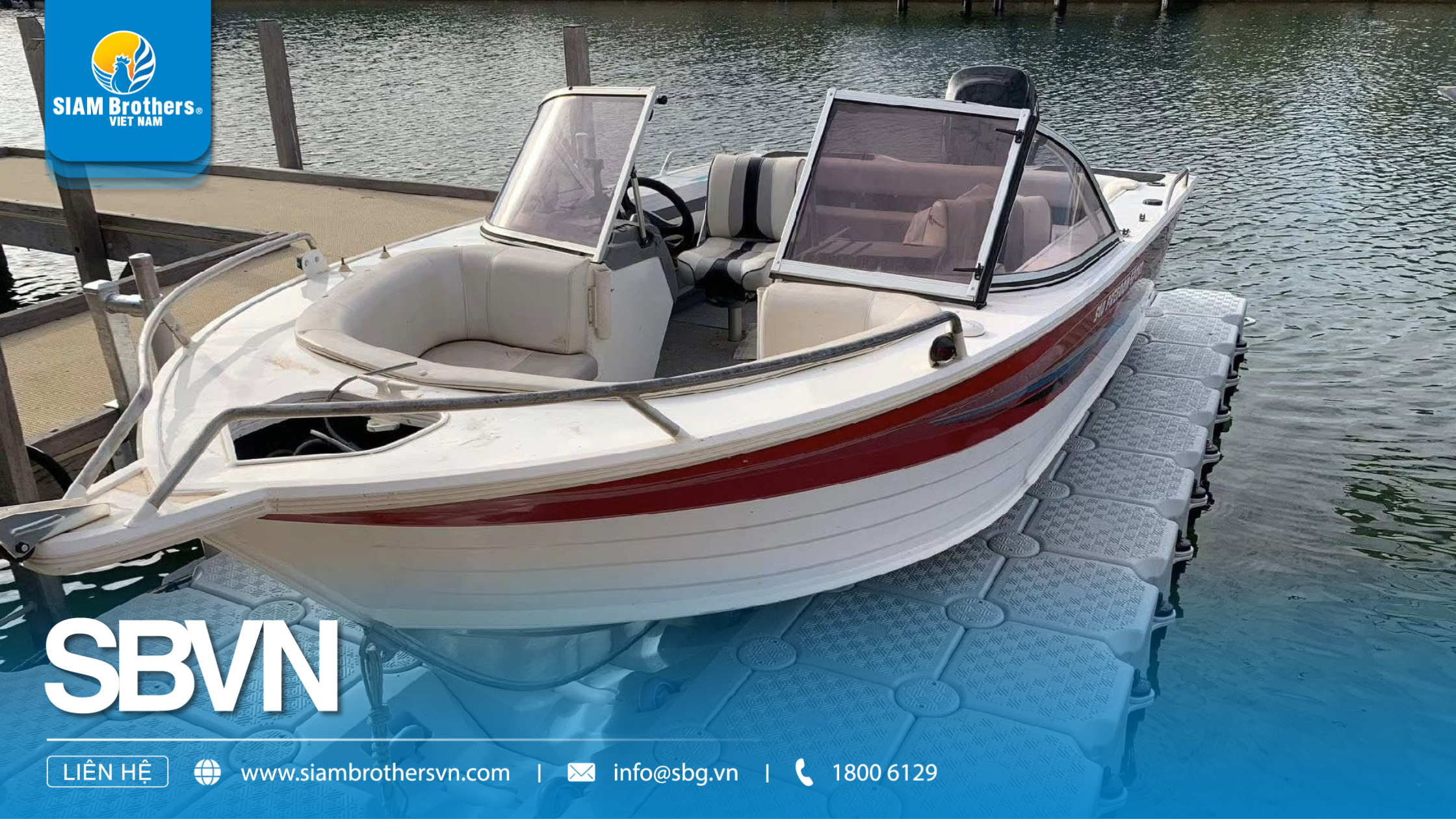
When selecting a canoe mooring buoy, the first factor fishermen should evaluate is the buoy’s load-bearing capacity. Incorrect load estimation can lead to instability during mooring.
Key considerations include:
Fishing activities often take place in coastal areas, river mouths, or brackish water environments where corrosion conditions are severe. Therefore, the material of the canoe mooring buoy must be carefully evaluated.
Recommended material characteristics include:
Selecting the correct material significantly extends buoy lifespan and reduces maintenance costs.
During fishing operations, canoes are constantly exposed to waves, wind, and water currents. A reliable canoe mooring buoy must therefore provide high stability.
Important stability features include:
Stable mooring systems allow fishermen to safely leave their vessels anchored overnight or for extended periods.
For fishermen, a canoe mooring buoy should be practical, flexible, and easy to handle in everyday operations.
Practical usability factors include:
A well-designed buoy system improves efficiency and reduces operational effort for fishermen.
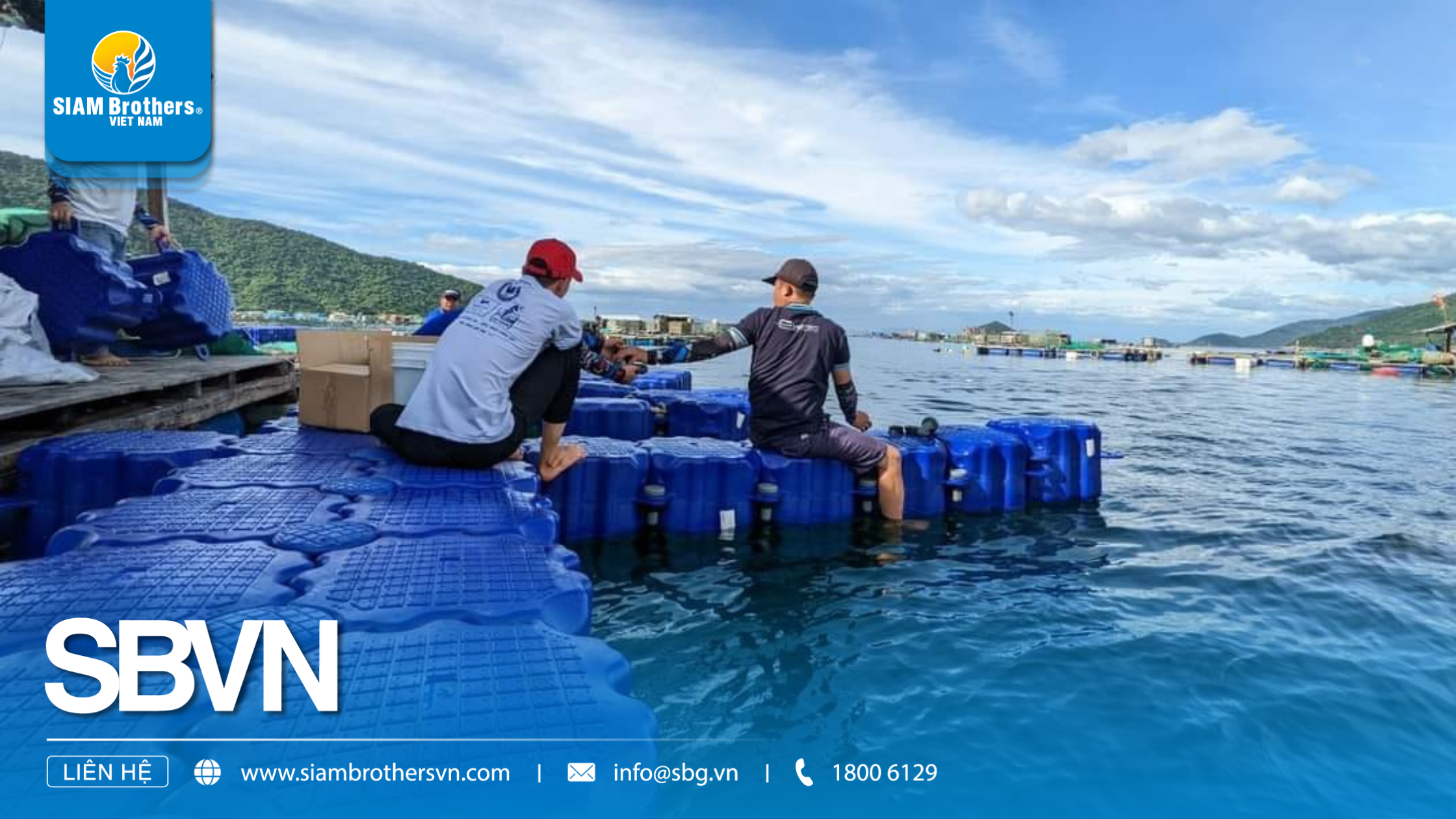
Before selecting a canoe mooring buoy, tourist pier operators should accurately evaluate the operational scale to avoid overload or unnecessary investment.
Key factors to consider include:
Clearly defining the operating scale helps operators choose the right canoe mooring buoy with suitable load capacity and quantity from the beginning, ensuring efficient and safe pier operations.
Each tourist pier location has unique environmental characteristics that directly affect the durability of a canoe mooring buoy.
Important environmental considerations include:
Selecting the right material ensures that the canoe mooring buoy can operate reliably over time while minimizing maintenance costs for tourist facilities.
Unlike fishing operations, tourist piers prioritize visitor safety and overall experience. Therefore, the canoe mooring buoy used in these locations must meet stricter requirements.
Essential safety features include:
A stable canoe mooring buoy system helps reduce operational risks and enhances the professional image of tourist docking facilities.
Beyond functionality, a canoe mooring buoy used at tourist piers should also complement the surrounding environment and infrastructure.
Consider the following design aspects:
A well-designed canoe mooring buoy layout not only improves operational efficiency but also contributes to a cleaner and more professional appearance for tourist destinations.
The price of a canoe mooring buoy depends on several technical specifications and real-world operating conditions. When evaluating costs, buyers should consider:
Buoy size and load-bearing capacity
The number of canoe mooring buoys required for a single canoe is not fixed and depends on the mooring layout and environmental conditions.
Important factors include:
This is a common concern among fishermen and coastal tourism operators. Today, a canoe mooring buoy made from appropriate materials can perform reliably in saltwater environments.
Typical advantages include:
Selecting the right material significantly extends the service life of the canoe mooring buoy while reducing maintenance costs.
The lifespan of a canoe mooring buoy depends on usage conditions and manufacturing quality.
Factors influencing durability include:
When properly selected and installed, a canoe mooring buoy can maintain stable performance for many years.
To purchase a reliable canoe mooring buoy, buyers should prioritize experienced manufacturers or direct distributors specializing in marine and floating equipment.
Recommended criteria include:
A well-designed canoe mooring buoy system at riverside tourist piers enhances passenger safety and improves the overall visitor experience – Source: SBVN.
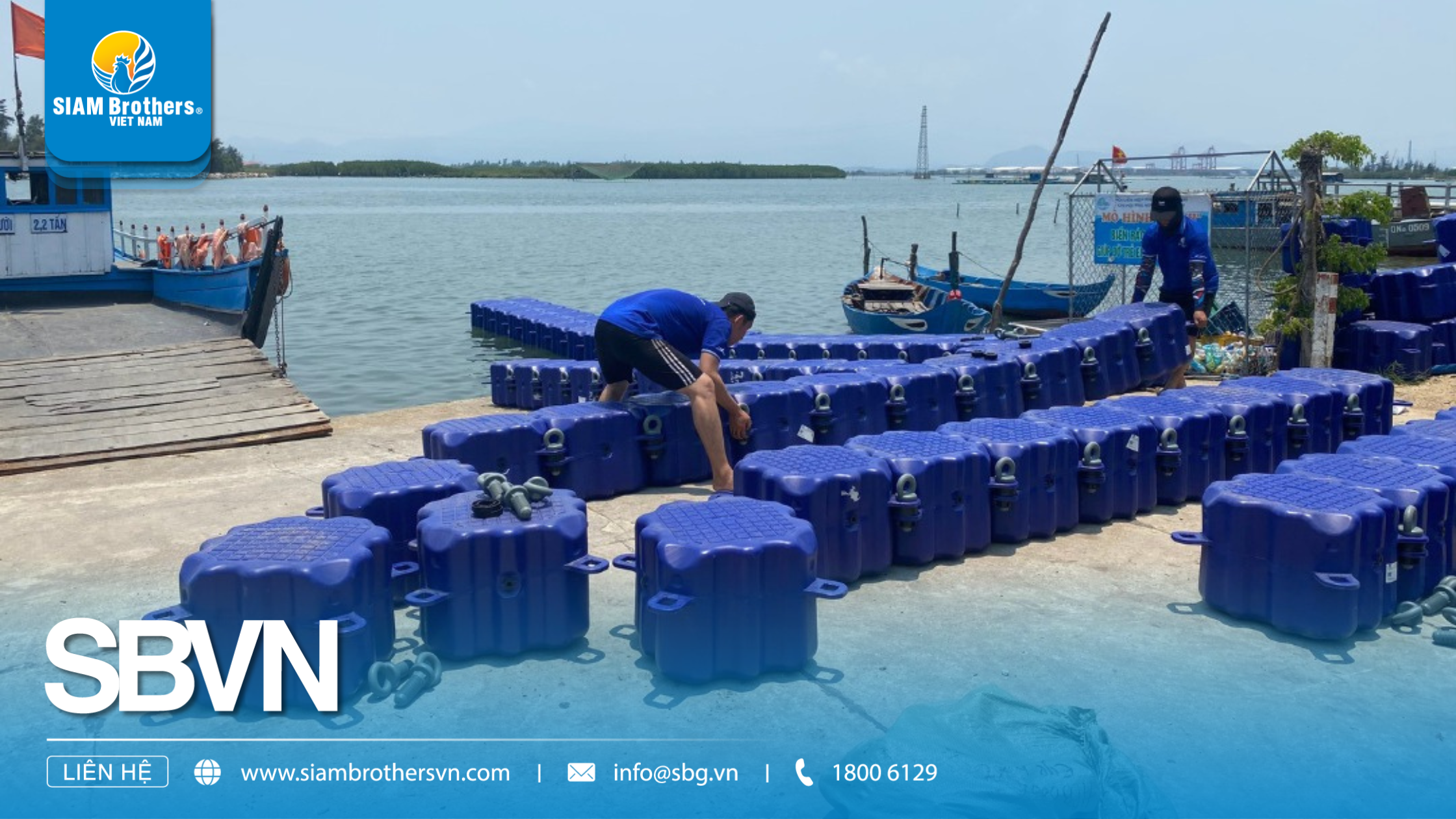
Although a canoe mooring buoy may appear to be a small component, it plays a crucial role in ensuring safety, operational efficiency, and long-term cost control for both fishermen and tourist piers located along rivers and coastal areas. Selecting the right buoy from the beginning allows canoes to remain stable against waves and wind, reduces the risk of vessel damage, and improves safety for passengers and operators.
If you need technical consultation, assistance in selecting the right canoe mooring buoy, or customized manufacturing solutions, contact SIAM Brothers Vietnam today. Our team is ready to support fishermen, tourism operators, and marine infrastructure projects with reliable and high-quality floating solutions.
Source: SIAM Brothers Vietnam
Contact us:
► Address: 5th floor, VRG Building, 177 Hai Ba Trung Street., Xuan Hoa Ward, Ho Chi Minh City, Vietnam
► Hotline: 1800 6129
► Tel: (+84) 28 38 912 889
► Email: info@sbg.vn
► Follow us for more details at: Facebook - Zalo OA - Tiktok - Youtube - LinkedIn
Download SBVN ID app here:
► CHPlay
► Appstore









Specializing in Agricultural and Fisheries Products & Multipurpose Wire