
- 1800 6129

After use, rope may be covered in mud or sea salt, or quickly gathered into a bundle. Storing it while damp, placing it near a heat source, or dragging it across sharp surfaces can lead to tangles, frayed fibers, and damage that is difficult to assess the next time it is used. From cleaning and coiling to choosing a storage location, let’s explore the practical steps with SIAM Brothers Vietnam...
Rope is used for many tasks, from securing cargo and supporting crops to fishing, mooring, and work aboard vessels. During use, it may be exposed to water, sand, oil, mud, friction, and sunlight. How rope is stored afterward affects how easily it can be used again and whether damage can be identified before it bears a load.
A neat coil without twists is easier to pay out and less likely to form unwanted knots. Clean, dry rope stored in a suitable place is also easier to inspect. If rope remains damp or dirty for a long time, grime and mildew may develop, particularly on natural-fiber rope or on organic material caught in synthetic rope.
Good storage does not mean a rope can be used indefinitely. Its service life also depends on its material, working loads, abrasion, and use history. The practical goal is to prevent avoidable damage while recognizing when the rope needs to be replaced.
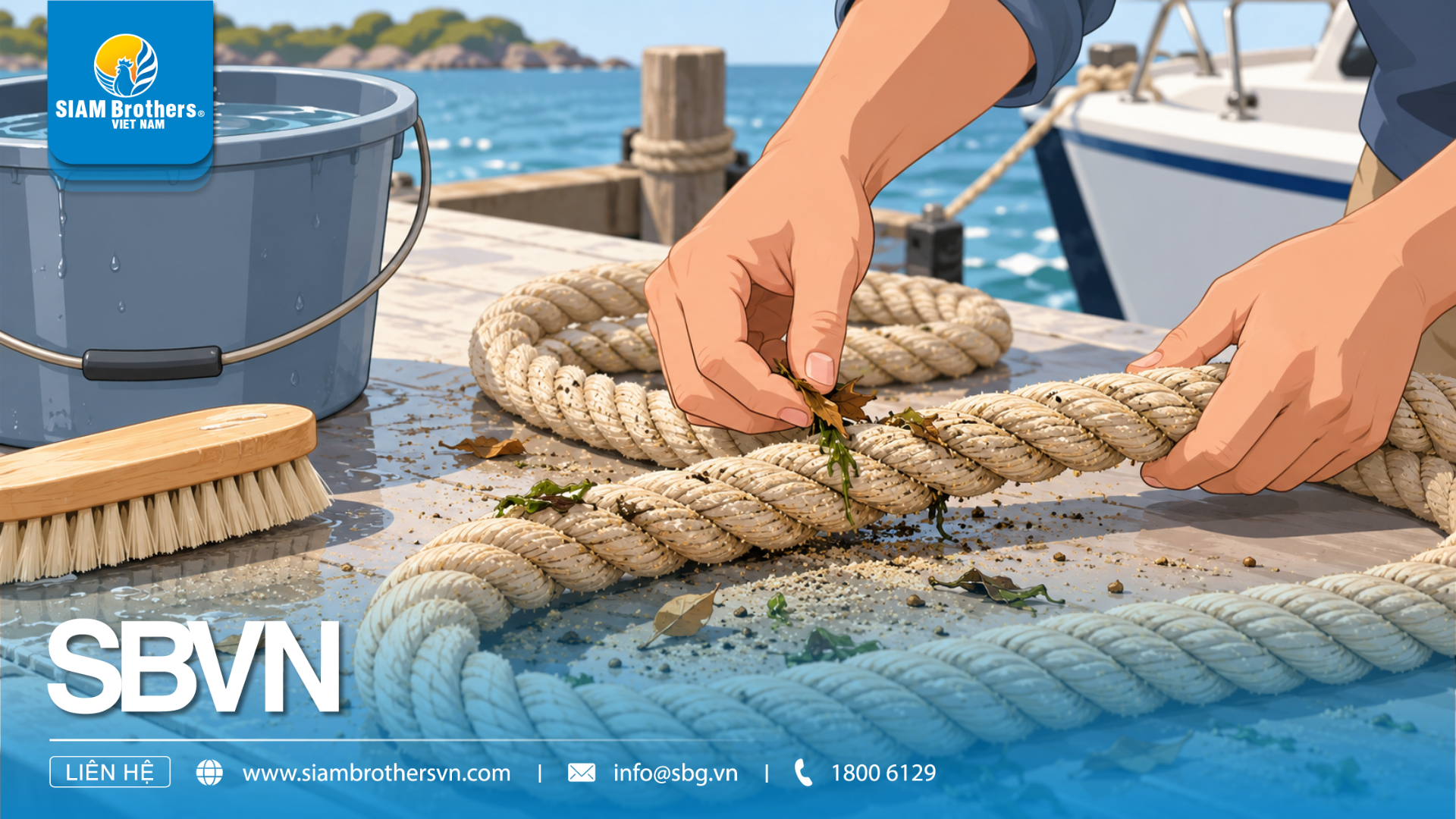
Remove dirt and debris before cleaning and storing the rope.
Before coiling, lay the rope out in a clean area so you can look and feel along its full length. Remove leaves, sand, and other material caught between the strands or on the surface. For rope used in seawater, follow the manufacturer’s cleaning instructions to remove salt and residue. If washing is appropriate, use water and a cleaning product suitable for that rope, handle it gently, and rinse thoroughly.
Do not use strong bleach, solvents, or chemicals that the manufacturer has not approved. Rope materials and constructions vary. A washing method suitable for a general cargo rope may not be appropriate for a specialized rope. If you suspect chemical exposure, assess the rope’s condition before considering washing and reuse.
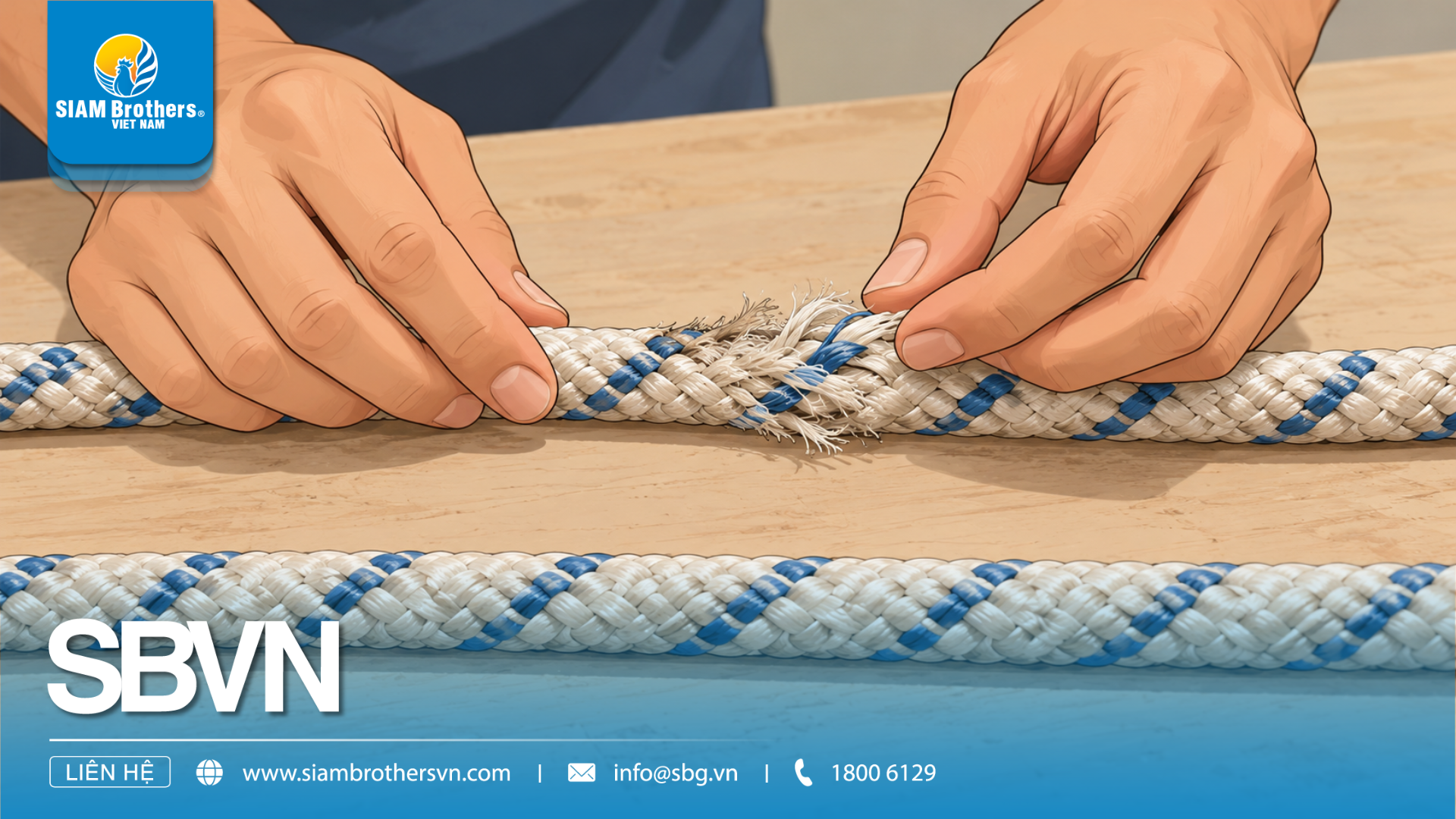
Inspect the full length of the rope for fraying, loose strands, and changes in shape.
Pay particular attention to sections that run through pulleys or across vessel edges, hooks, and attachment points. These areas often experience concentrated loads and friction. On laid rope, check whether the strands have opened up, loosened, or become uneven. On braided rope, look for cuts, severe fuzzing, or exposed core material. Also check for unusual changes in diameter or sections that feel flattened, unusually hard, or unusually soft.
Visual inspection should be combined with feeling along the rope, because internal damage may not be obvious from the surface. If you find a suspicious section, separate the rope from equipment ready for use and investigate the cause. Do not simply coil it and postpone the inspection until the next job.
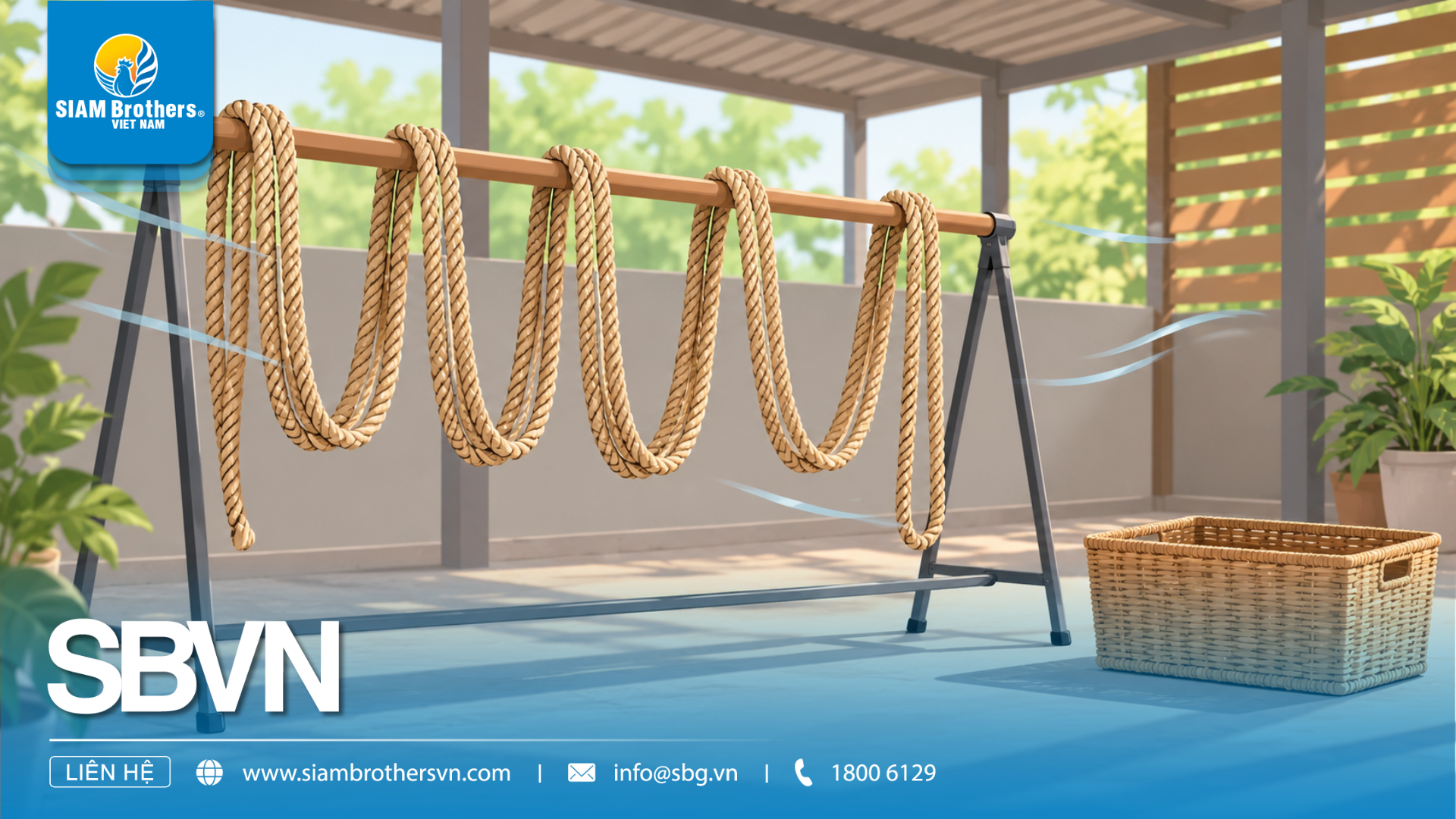
Allow the rope to dry thoroughly before coiling and storing it.
After cleaning, let the rope air-dry in a well-ventilated area, away from direct heat and prolonged intense sunlight. Spread it out enough for inner sections to dry as well. A dry outer surface does not necessarily mean that tightly bundled sections are dry.
Do not place wet rope in a sealed bag or a container with poor ventilation. Moisture increases the risk of mildew and deterioration in natural-fiber rope. Synthetic fibers do not rot in the same way, but dirt and organic material caught on them can still develop odors or mildew when damp. Let the rope dry before coiling unless the manufacturer of that particular rope instructs otherwise.
The storage area should be clean, dry, and ventilated. Place coils on shelves, racks, or suitable supports instead of directly on soil or a damp concrete floor. If you use a bag, make sure the rope is dry and the bag does not trap water.
Keep rope away from heat sources, sparks, chemicals, oil, and sharp objects. Do not stack heavy items on a coil, as they may compress or deform it and make later inspection difficult. For rope used infrequently, check both the storage area and the rope periodically instead of waiting until the day it is needed.
Prolonged direct sunlight should also be avoided for many synthetic ropes. Some products are designed for outdoor use, but their ability to withstand sun exposure does not mean they should be stored in direct sunlight for extended periods. Good rope storage limits unnecessary exposure between uses.
If you manage several coils, label each with its material or product type, length, intended use, and date first put into service. Keep general cargo rope separate from rope used in work with higher safety requirements. Clear identification helps people select the right rope and track its use history.
Before choosing a coiling method, remove unnecessary knots and straighten out twists. Coiling too tightly can make rope difficult to pay out or leave it with sharp bends. Three-strand rope has an inherent lay, so the direction of coiling matters; braided rope generally behaves differently. For specialized rope, follow the manufacturer’s storage method first.
This method suits shorter lengths and general-purpose rope that is used regularly.
Lay out the rope and remove existing twists.
Form even loops that are large enough to avoid sharp bends.
Keep the loops aligned without pulling them tightly around your hand or another object.
Leave a short section at the end to wrap around the bundle and secure it.
When using the rope, release the securing section first and pay out the loops in order.
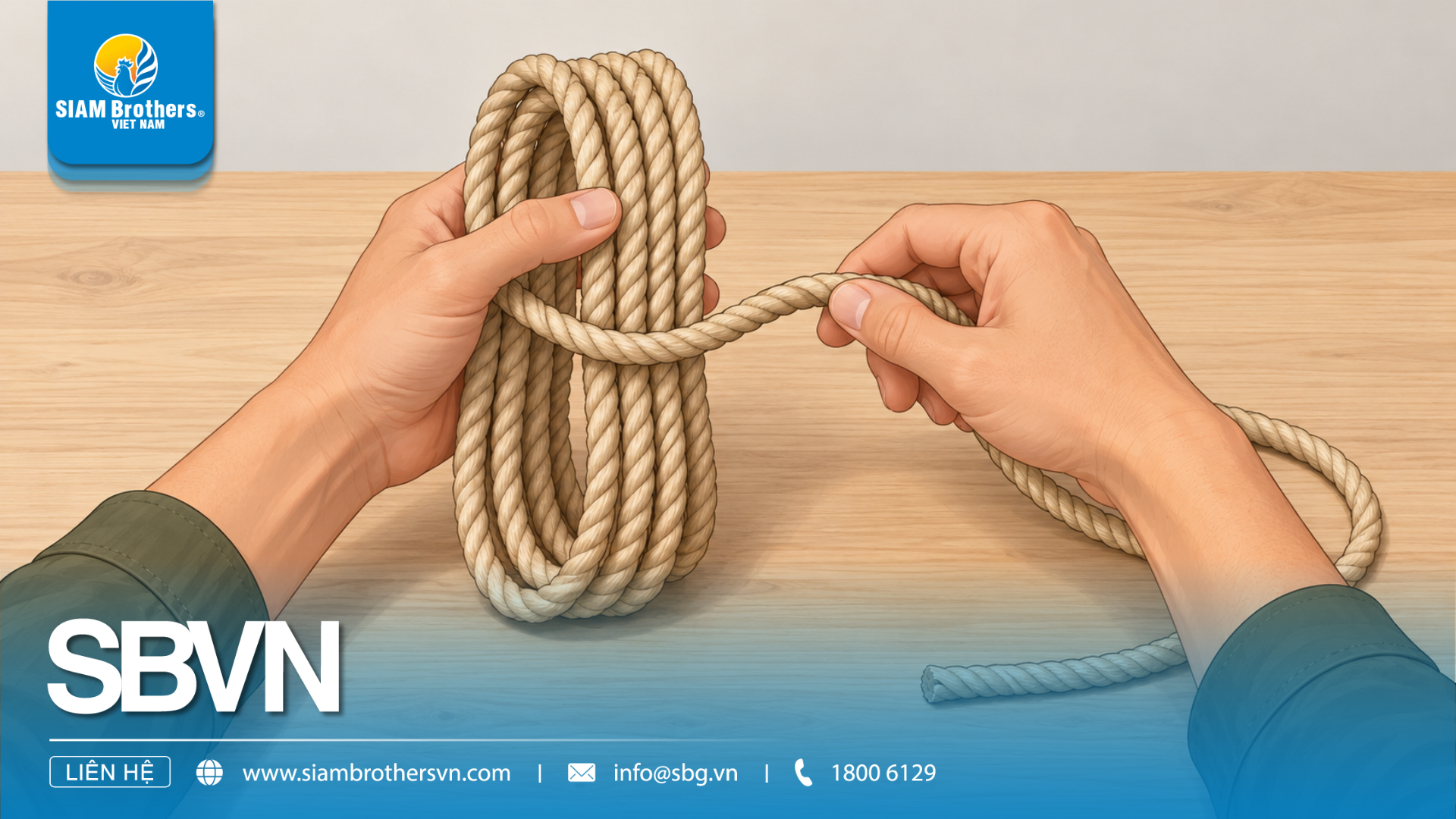
Make wide, even loops and secure the coil without pulling it too tight.
For three-strand rope, coil with its natural lay to reduce kinks. If the rope starts twisting back on itself or forming small loops, stop, lay it out, and correct the twist before continuing.
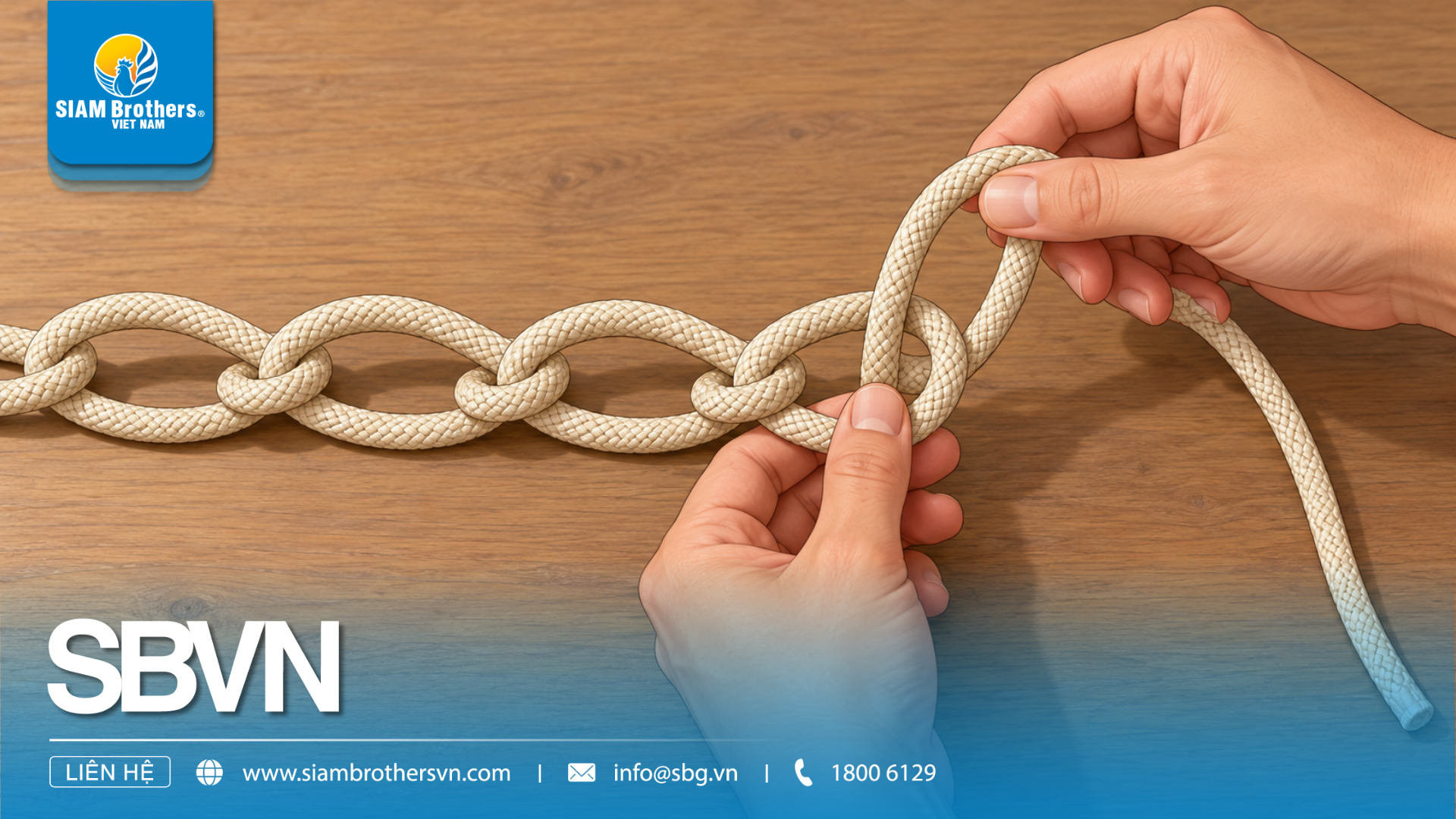
A loose chain sinnet can keep suitable utility ropes organized and easy to undo.
A chain sinnet can make some smaller or general-purpose ropes more compact while allowing the links to be undone in sequence. After folding the rope or selecting a starting point, form the first loop. Pull a new loop of rope through it, then repeat. Pass the end through the final loop to hold the chain in place.
Do not pull the links excessively tight. Try the method on a short section before applying it to the entire length so you know it can be undone easily. This is a storage method; do not automatically apply it to rescue rope or rope with its own storage instructions.
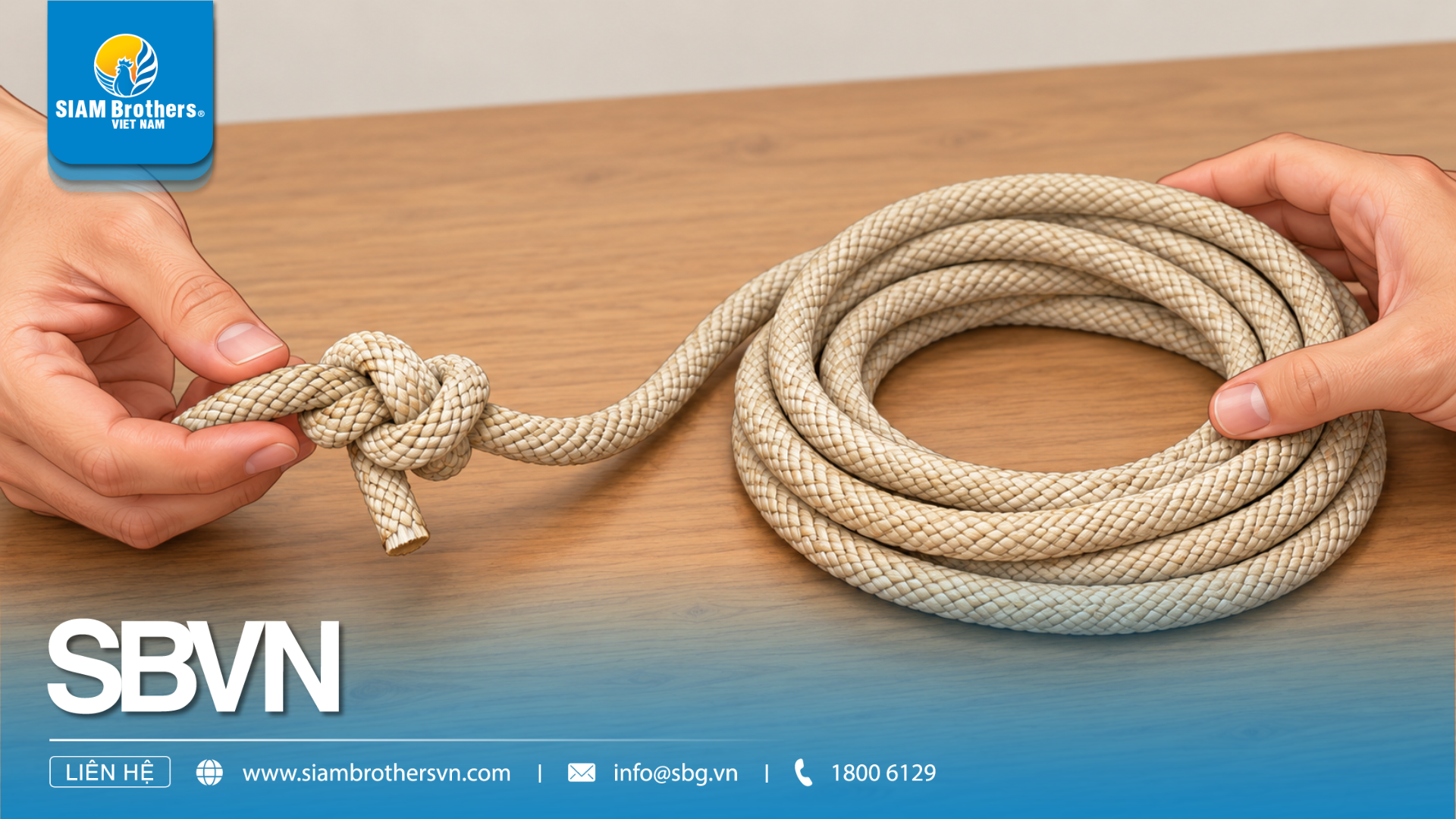
A Figure Eight knot at the end of a rope beside a neatly arranged coil.
A Figure Eight knot may be tied near the end to provide a handhold or help hang a coil that has already been prepared. It is a knot used to secure the rope end, not the name of the entire coiling method. Position it so that it does not tighten around or deform the coil.
A Figure Eight knot should also be distinguished from laying rope out in a figure-eight pattern. Figure-eight flaking is a separate way of arranging rope that can reduce twisting in some situations. For load-bearing or safety-related work, do not add a knot to an operating system simply because it is convenient for storage.
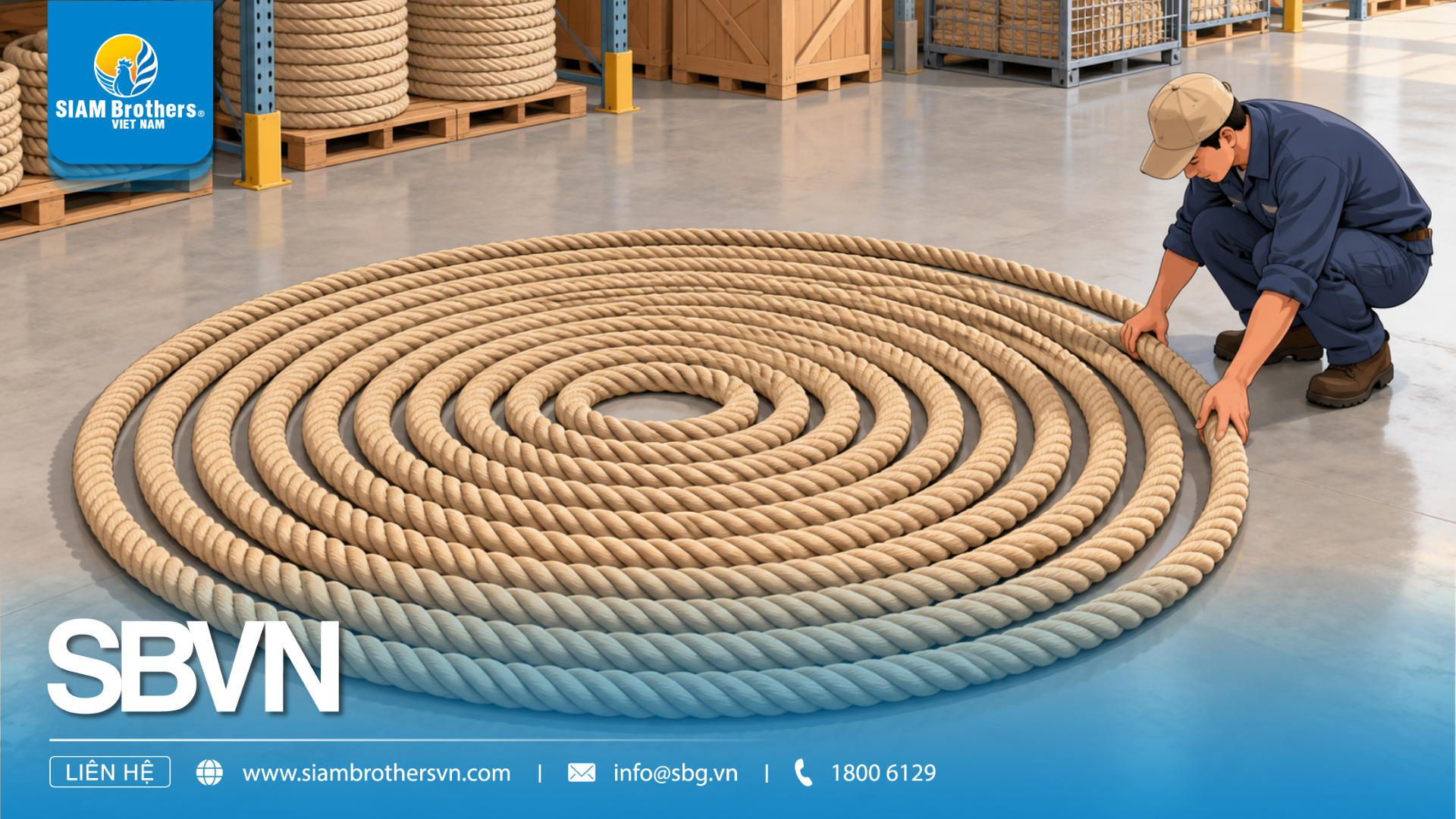
Lay long or heavy rope in broad loops to avoid sharp bends and tangles.
Long or thick rope needs wider loops to make handling easier and prevent sharp bends. If a rope is very heavy and usually stays in one place, it may be laid out in a flat coil at its storage location. Start at the center, arrange progressively wider loops, and adjust them so later loops do not tangle with earlier ones.
When taking the rope out, pay it out in the sequence suited to the way it was stored. Avoid forcefully pulling one end through multiple loops. For large ropes used in specialized work, the operator should choose a flaking, coiling, or reel method suited to the rope’s construction and the manufacturer’s instructions.
Natural-fiber rope can absorb moisture and deteriorate if left for a long time in a damp, poorly ventilated space. After use, remove dirt, dry it completely, and store it where air can circulate. Check for a musty smell, discolored areas, and fibers that have become weak or rotten.
Do not wipe only the outside and immediately make a tight coil if the inner sections remain damp. If the rope has mildew or signs of rot, assess its actual condition and intended use before deciding whether it can remain in service.
Polypropylene rope, often called PP rope, is lightweight and used for a range of agricultural, fishing, and general-purpose tasks. Store it away from heat, sparks, and prolonged direct sunlight. If it is covered in mud or salt, clean it appropriately and allow it to dry before storage.
If the surface shows signs of melting, brittleness, significant discoloration, or heavy fiber wear, do not rely on the impression that the rope still feels strong. Inspect it against the requirements of the task and replace it when its condition is no longer suitable. You can also read SIAM Brothers Vietnam’s article on factors that affect rope service life.
Nylon and polyester have different properties, but both should be stored in orderly coils away from sharp objects, incompatible chemicals, and high heat. After use in dirty conditions or seawater, inspect the surface, clean the rope according to its product instructions, and dry it before storage.
Do not judge a rope’s condition by its material name alone. Two nylon or polyester ropes may have different constructions, diameters, and intended uses. For mooring, pulling, or load-bearing work, product specifications and use history matter more than general storage advice.
Rope used for trellises or supporting plants is often exposed to sun, rain, soil, and fertilizer. After each growing season, inspect sections that rub against stakes, frames, or branches. If the rope will be reused, clean and dry it, then coil it by type. Keep previously used rope separate from new stock.
For rope used aboard vessels or in mooring areas, pay attention to salt residue, points of friction, and sections that repeatedly bear loads. After cleaning and drying, arrange the rope so it can be paid out in the intended order without catching on other equipment. Before each use, inspect the ends, splices, sections passing over vessel edges, and areas that have previously experienced high loads.
A mooring line may still look intact after exposure to significant loads, friction, or shock. If there is doubt about its ability to carry the required load, stop using it for that task and assess it under the manufacturer’s instructions or the operator’s inspection procedure.
Net ropes and lines used in fishing can rub against nets, hauling equipment, and vessel surfaces. After a trip, remove material caught on the rope and inspect sections with frayed fibers, uneven wear, or deformation. Coil the rope neatly, but do not compress it tightly while it is wet. Separate rope that needs repair, rope that needs replacement, and rope that remains suitable for use so the wrong line is not taken on the next trip.
Rescue rope and rope used to protect people must be managed according to the manufacturer’s documentation and the applicable equipment inspection procedure. Do not automatically apply cleaning, coiling, or assessment methods for general-purpose rope to this equipment. Record its use history and inspect both the surface and any signs of internal irregularity as instructed for the product.
If the rope is cut or damaged, may have been exposed to chemicals, or has been involved in a serious incident, remove it from use and have it assessed by a qualified person. Do not return it to a life-safety task simply because it has been washed or the damaged section has been tied off.
No single sign applies to every rope and every task. However, stop using the rope and inspect it carefully if you notice any of the following:
Opened strands, broken fibers, or significant surface fraying.
Uneven diameter or sections that are flattened, swollen, or deformed.
Burns, melted areas, brittleness, or unusual discoloration.
Rot in natural-fiber rope, or dirt and mildew that prevent its condition from being assessed.
Stains that may be oil or an unidentified chemical.
A load or incident outside the conditions permitted by the manufacturer.
For load-bearing rope and rope used to protect people, any decision to keep it in service must follow the manufacturer’s inspection guidance, the rope’s history, and the requirements of the task. Do not tie together a damaged section and return the rope to its previous duty.
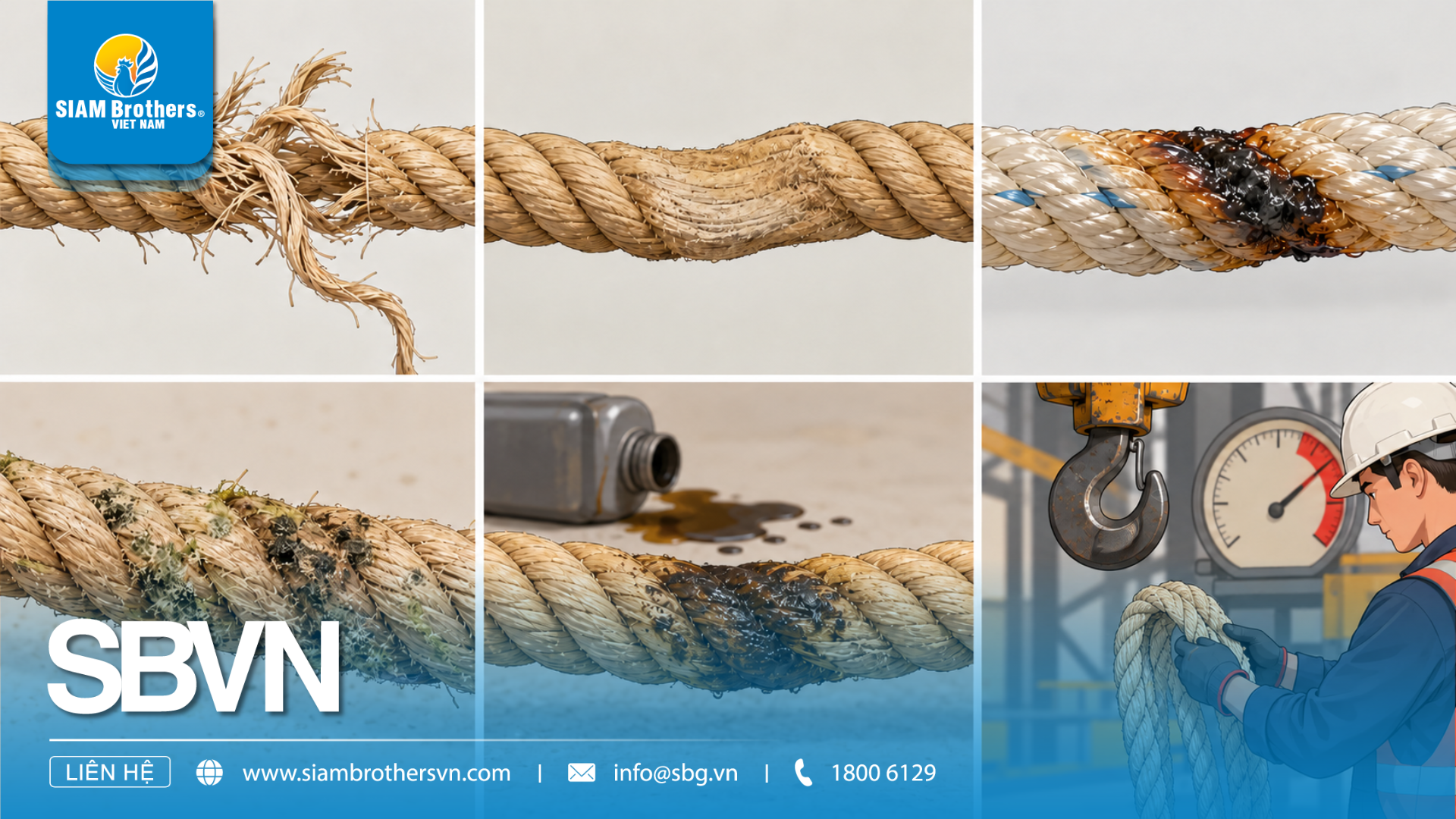
Stop using the rope and assess its condition if you notice damage or know it has been overloaded.
Effective rope storage starts with inspection, cleaning, drying, suitable coiling, and a clean, ventilated storage area. Choose a coiling method that fits the rope’s length and construction, and organize rope by material and intended use. When damage is found, particularly in load-bearing or rescue rope, assess it before using it again.
Further reading: What Factors Affect Rope Service Life?
Source: SIAM Brothers Vietnam
FAQ
Q: Should rope be stored while it is still damp?
A: Generally, no. Clean it and allow it to air-dry in a well-ventilated place before coiling and storage. Follow any product-specific storage instructions.
Q: How can I coil rope without tangling it?
A: Remove twists first, make even loops, and avoid pulling them too tight. Use a basic coil for shorter rope, wider loops for larger rope, or another method suited to its construction. Release the securing wrap and pay out the rope in order when needed.
Q: When should rope be replaced?
A: Replace or remove it from service when it has broken fibers, severe fraying, deformation, burns, melted areas, rot, or suspected chemical contamination. For load-bearing and life-safety rope, follow the manufacturer’s retirement criteria and a qualified inspection procedure.
Contact us:
Address: 5th floor, VRG Building, 177 Hai Ba Trung Street, Vo Thi Sau Ward, Ho Chi Minh City, Vietnam
Tel: (+84) 28 38 912 889
Hotline: 1800 6129
Facebook: www.facebook.com/siambrothersvn
Email: info@sbg.vn
YouTube: youtube.com/@siambrothersvietnam1728
OA Zalo: zalo.me/1402339229697925373
App SBVN ID:
CHPlay: https://bit.ly/SBVNID-Android
Appstore: https://bit.ly/SBVNID-iOS








Specializing in Agricultural and Fisheries Products & Multipurpose Wire