
- 1800 6129

Tilapia Farming Techniques play a critical role in achieving high productivity and minimizing disease risks in commercial aquaculture. As demand for tilapia continues to grow in both domestic and export markets, many farmers, aquaculture businesses, and commercial fish farms are actively seeking efficient, cost-effective, and scalable farming models.
In this article, SIAM Brothers Vietnam shares practical Tilapia Farming Techniques for fast growth and low disease, helping farmers optimize yield and improve profitability. In addition, the content provides real-world insights and effective pond management solutions that are easy to apply for both beginners and large-scale aquaculture operations, ensuring sustainable and long-term success.
Tilapia is widely recognized as one of the fastest-growing aquaculture species in Vietnam and many countries worldwide. Thanks to its strong adaptability to various water environments, stable growth rate, and high market demand, tilapia has become a preferred choice for households, farms, and aquaculture enterprises.
Understanding its biological characteristics and market potential enables farmers to apply Tilapia Farming Techniques more effectively, while optimizing costs and reducing disease risks during commercial production.
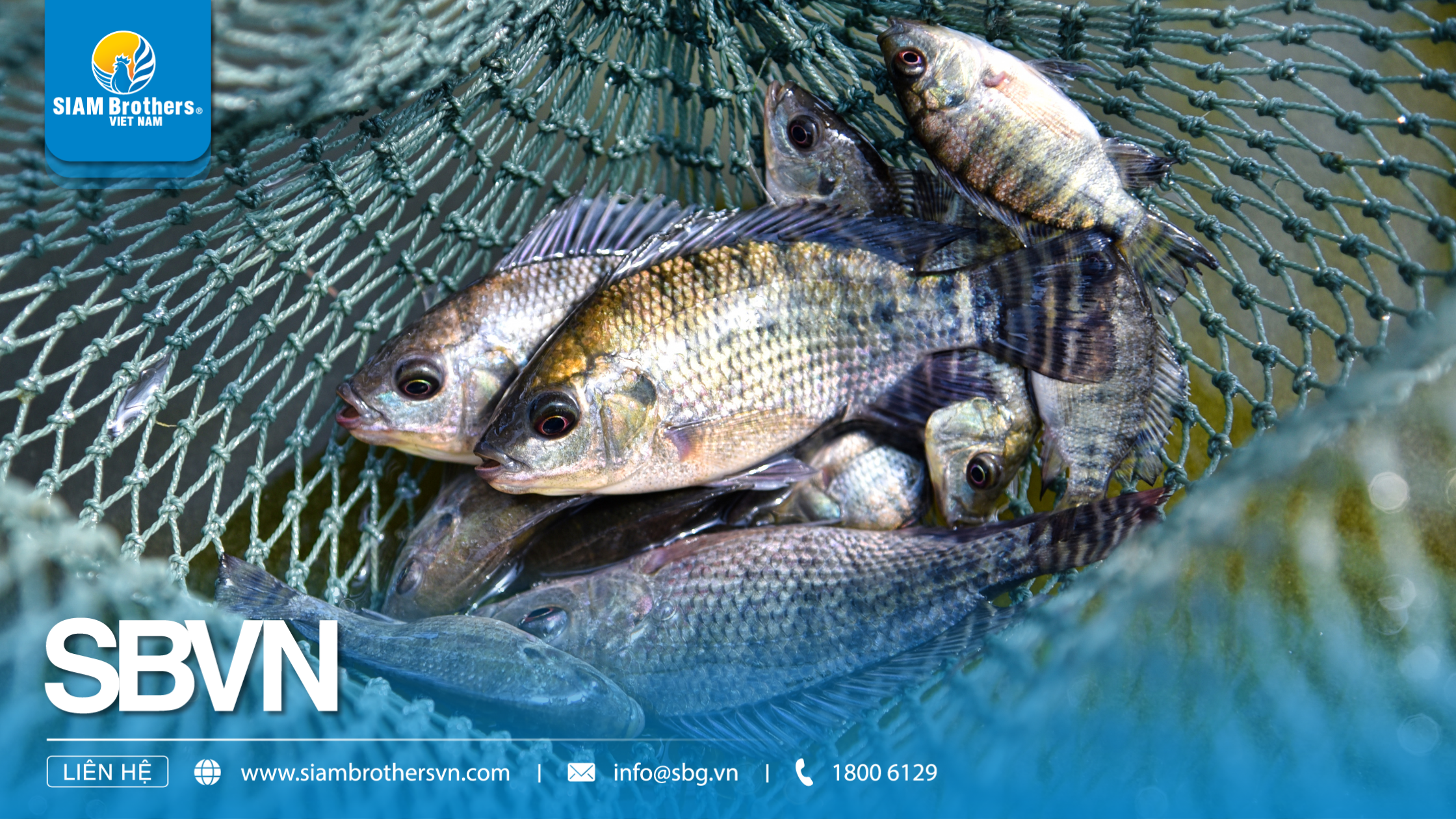
High environmental adaptability
Fast growth rate
Flexible feeding behavior
Strong disease resistance
Tilapia is generally less susceptible to disease when water quality is properly managed
This is the most common model among small-scale farmers in Vietnam.
Key advantages include:
However, farmers must carefully manage pond preparation, water quality, and stocking density to ensure stable fish growth.
This model is rapidly expanding in areas with strong water flow.
Key advantages include:
For this model, aquaculture equipment plays a crucial role, including:
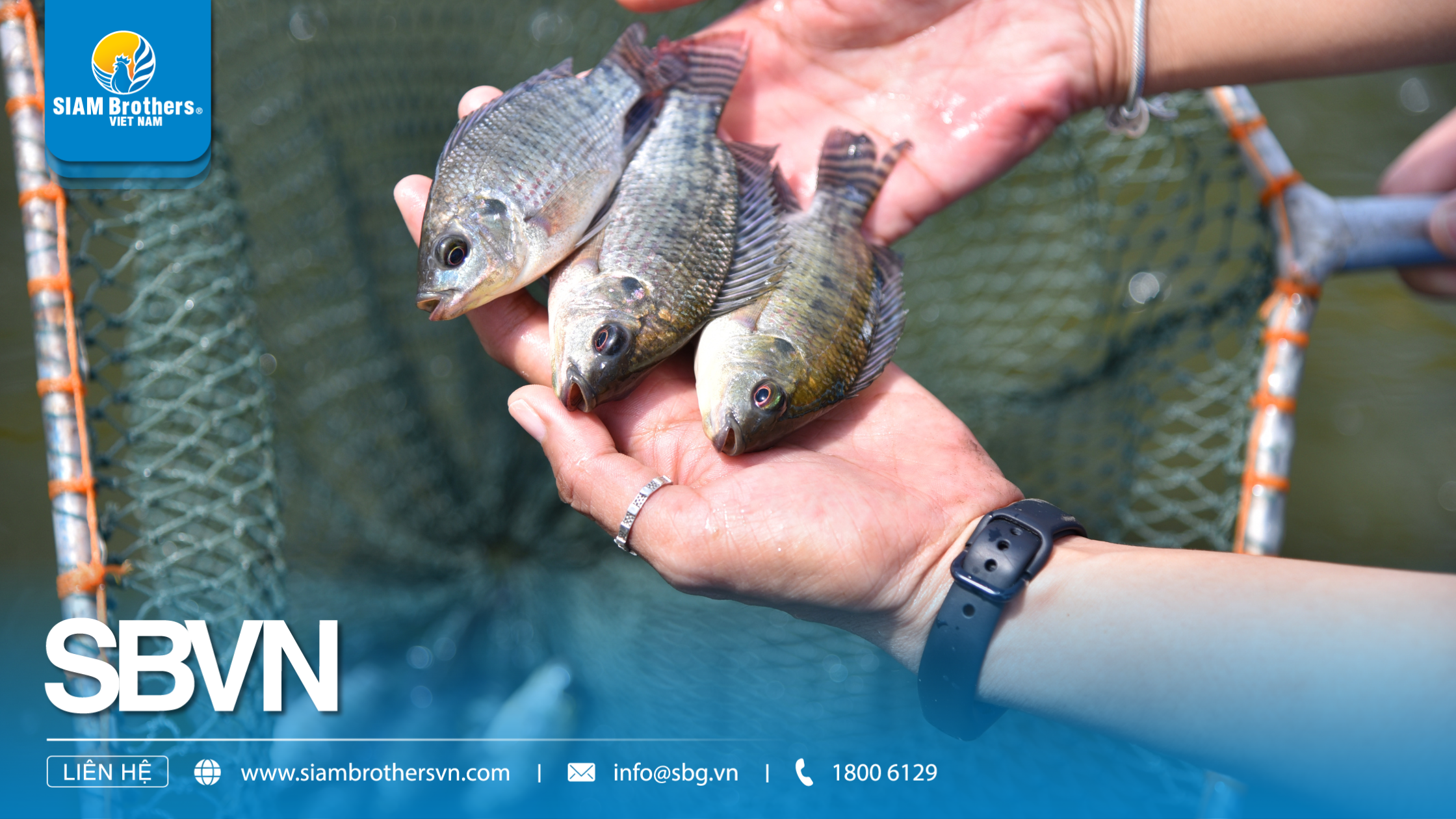
Before stocking fingerlings, ponds must be properly prepared to eliminate pathogens and create a clean water environment. This step is essential for maximizing the effectiveness of Tilapia Farming Techniques.
Typical pond preparation steps include:
Draining and cleaning the pond
Drying the pond bottom
Liming for disinfection
Refilling the pond
Proper pond preparation ensures a stable environment from the beginning, reducing disease risks during the farming cycle.
Maintaining optimal water parameters is essential in Tilapia Farming Techniques to support healthy and rapid fish growth.
Key parameters include:
Water temperature
pH level
Dissolved oxygen
Water transparency
In addition to pond preparation and water management, installing net systems and securing the farming area is an essential step in Tilapia Farming Techniques, especially for cage farming or ponds near rivers.
Key components include:
Fish containment nets
Rope systems for securing nets
Floating systems for cages
Selecting high-quality fingerlings is a critical step in Tilapia Farming Techniques, directly affecting growth rate, survival rate, and overall productivity in commercial aquaculture systems.
Monosex Tilapia
GIFT Tilapia (Genetically Improved Farmed Tilapia)
Red Tilapia
Selecting the right species should be based on water conditions, farming scale, and market demand to ensure long-term profitability.
To successfully apply Tilapia Farming Techniques, farmers must select fingerlings that are healthy, uniform, and disease-free.
Key selection criteria include:
Clear origin
Uniform size
Active swimming behavior
No physical deformities
Careful inspection before purchase significantly reduces risks during the early farming stage.
In Tilapia Farming Techniques, proper stocking density is essential for maximizing growth while minimizing disease risks.
Recommended stocking densities:
Earthen pond farming
Intensive farming systems
Cage farming systems
After selecting quality fingerlings, proper transportation and stocking techniques are essential to reduce stress and mortality.
Key practices include:
Temperature acclimation
Float fish bags in pond water for 10–15 minutes before release
Gradual release
Monitor fish behavior closely during the first few hours
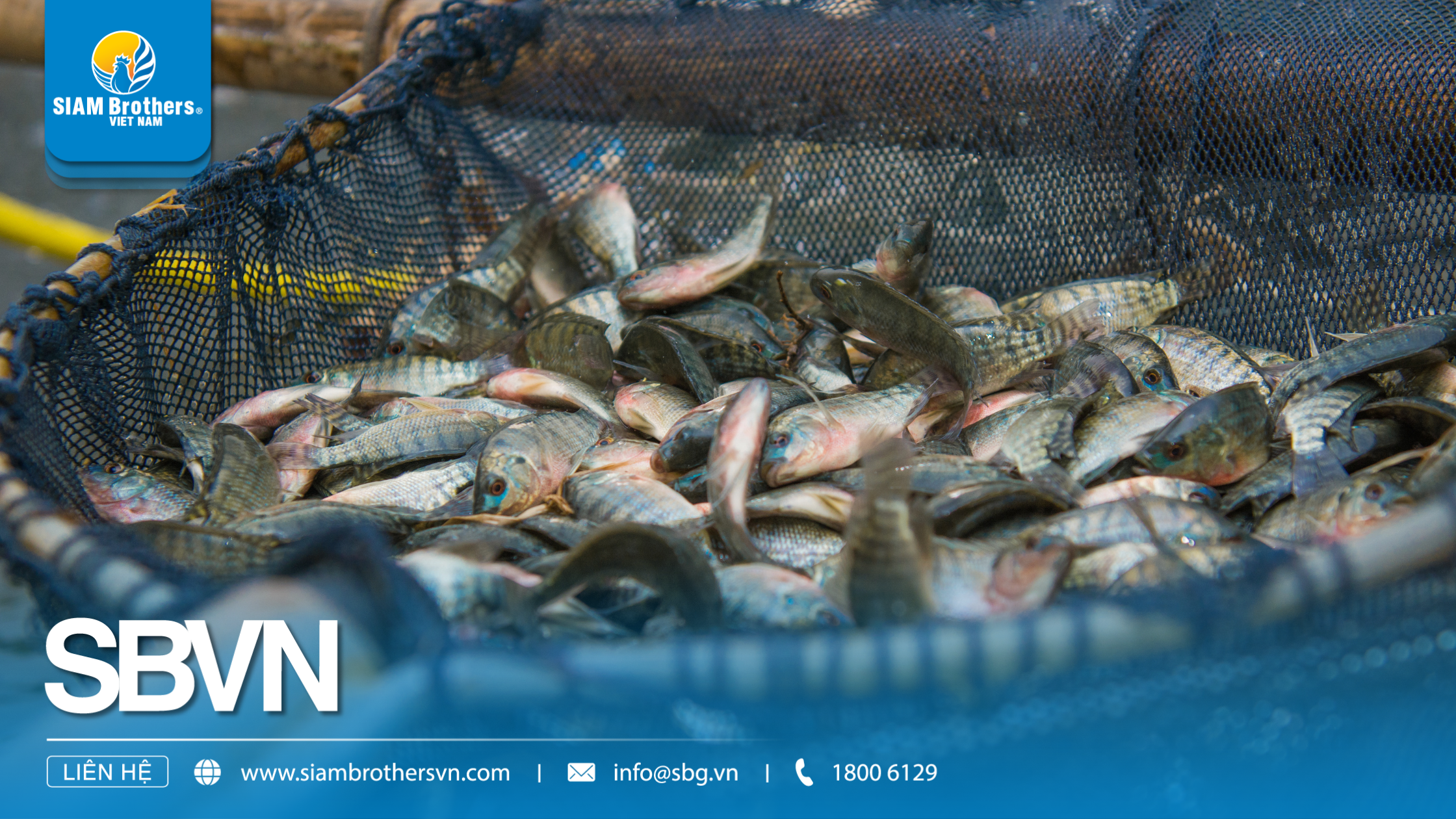
In Tilapia Farming Techniques, choosing the right feed ensures better nutrient absorption and faster growth.
Common feed types include:
Commercial feed
Natural pond feed
Agricultural by-products
Proper feeding ratios are essential in Tilapia Farming Techniques to optimize growth and reduce waste.
Recommended feeding rates:
Fingerling stage (10–50 g/fish)
Growth stage (50–200 g/fish)
Commercial stage (>200 g/fish)
Farmers should monitor feeding behavior closely to avoid overfeeding and water pollution.
Feeding at the right time improves digestion and nutrient absorption, which is essential in Tilapia Farming Techniques.
Best practices include:
Feed during stable water conditions
Avoid feeding during adverse conditions
Do not feed during heavy rain or low water temperatures
Observe fish behavior
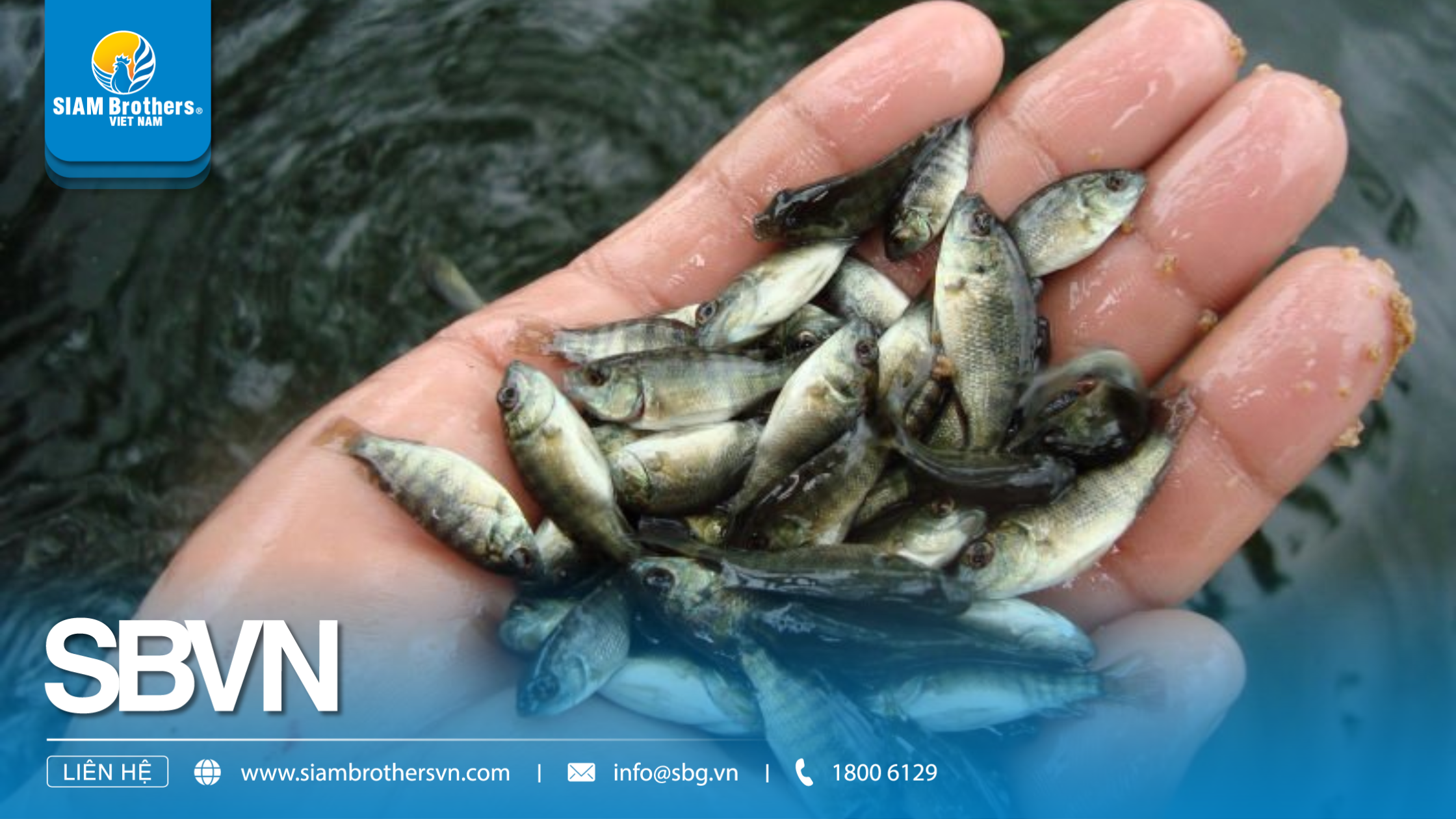
During the application of Tilapia Farming Techniques, farmers should be aware of common diseases to take timely action.
Common diseases include:
Bacterial hemorrhagic disease
Fungal infections
External parasites
Digestive disorders
Early detection helps minimize losses and protect the entire stock.
Effective monitoring is essential in Tilapia Farming Techniques.
Warning signs include:
Farmers should immediately check water parameters such as pH, dissolved oxygen, and clarity when these signs appear.
Preventive management is more cost-effective than treatment in aquaculture.
Key prevention strategies:
When disease symptoms appear, proper handling is critical to prevent outbreaks.
Key considerations:
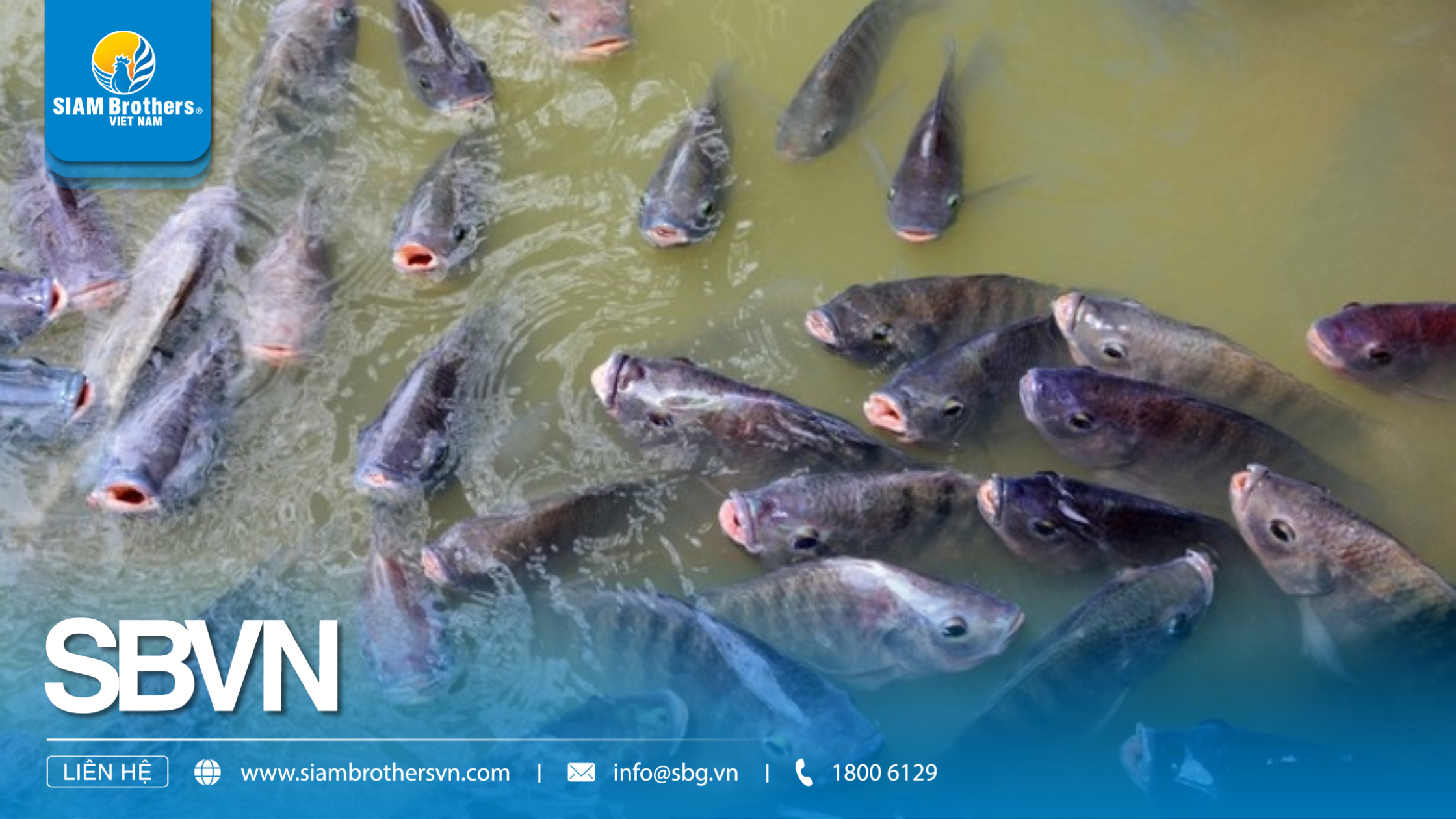
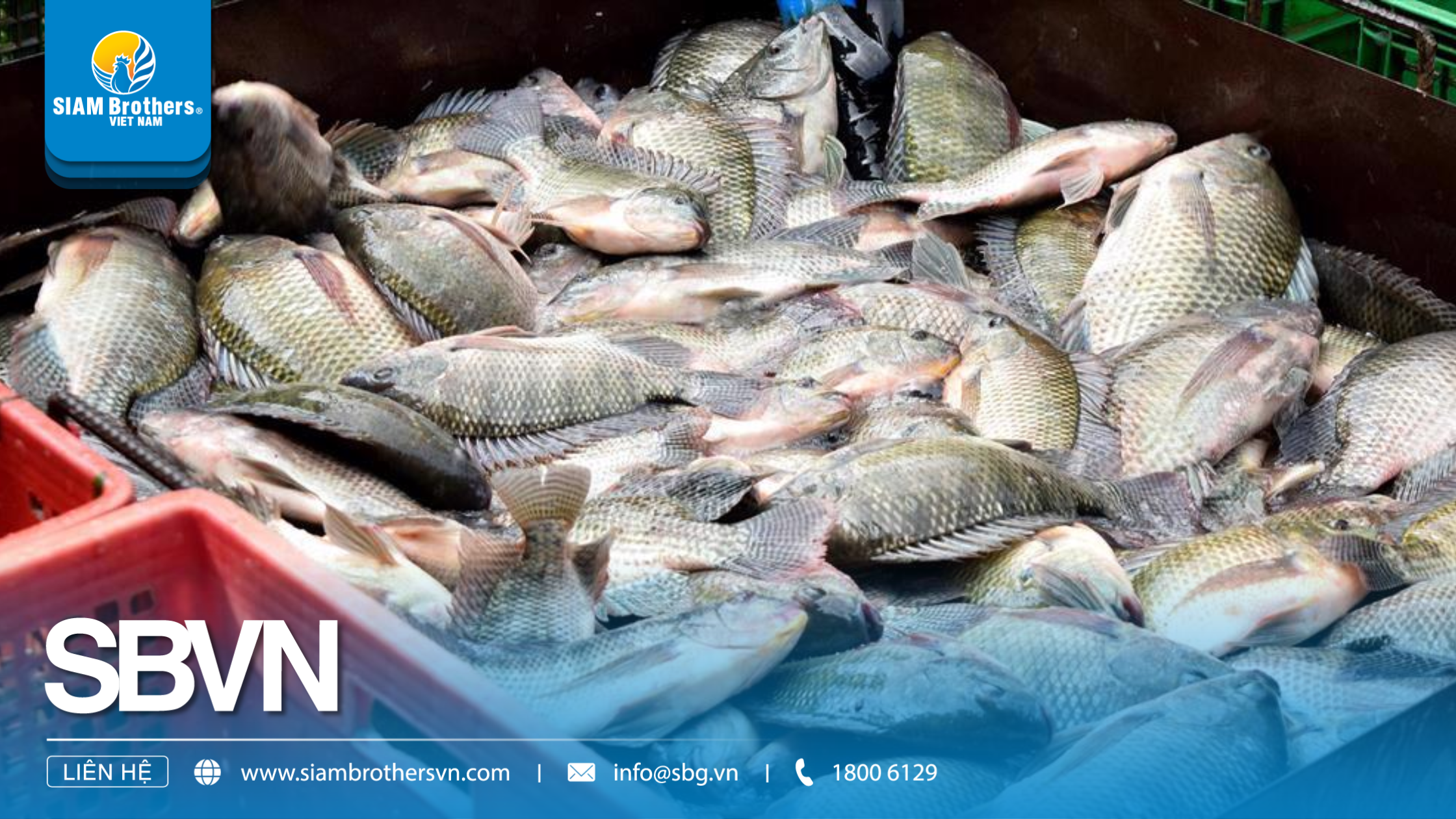
In Tilapia Farming Techniques, the harvest time depends on fish species, environmental conditions, and feeding management.
Key insights include:
Typical farming duration
Factors affecting harvest time
Cage systems should be securely anchored with mooring ropes and floating structures to maintain stable farming conditions
In Tilapia Farming Techniques, proper stocking density ensures faster growth and reduces disease risks.
Recommended stocking densities:
Earthen pond farming
Cage farming systems
Typically 60–100 fish/m³ depending on cage size and water flow
Important notes
Feed plays a crucial role in determining growth performance in Tilapia Farming Techniques.
Common feed sources include:
Commercial feed
Natural feed
Agricultural by-products
Tilapia is considered one of the most economically stable freshwater species when proper Tilapia Farming Techniques are applied.
Key factors affecting profitability:
Water quality management
Clean and stable water improves growth and reduces disease-related expenses
Appropriate farming model
Aquaculture infrastructure and materials
High-quality equipment enhances system durability and operational efficiency
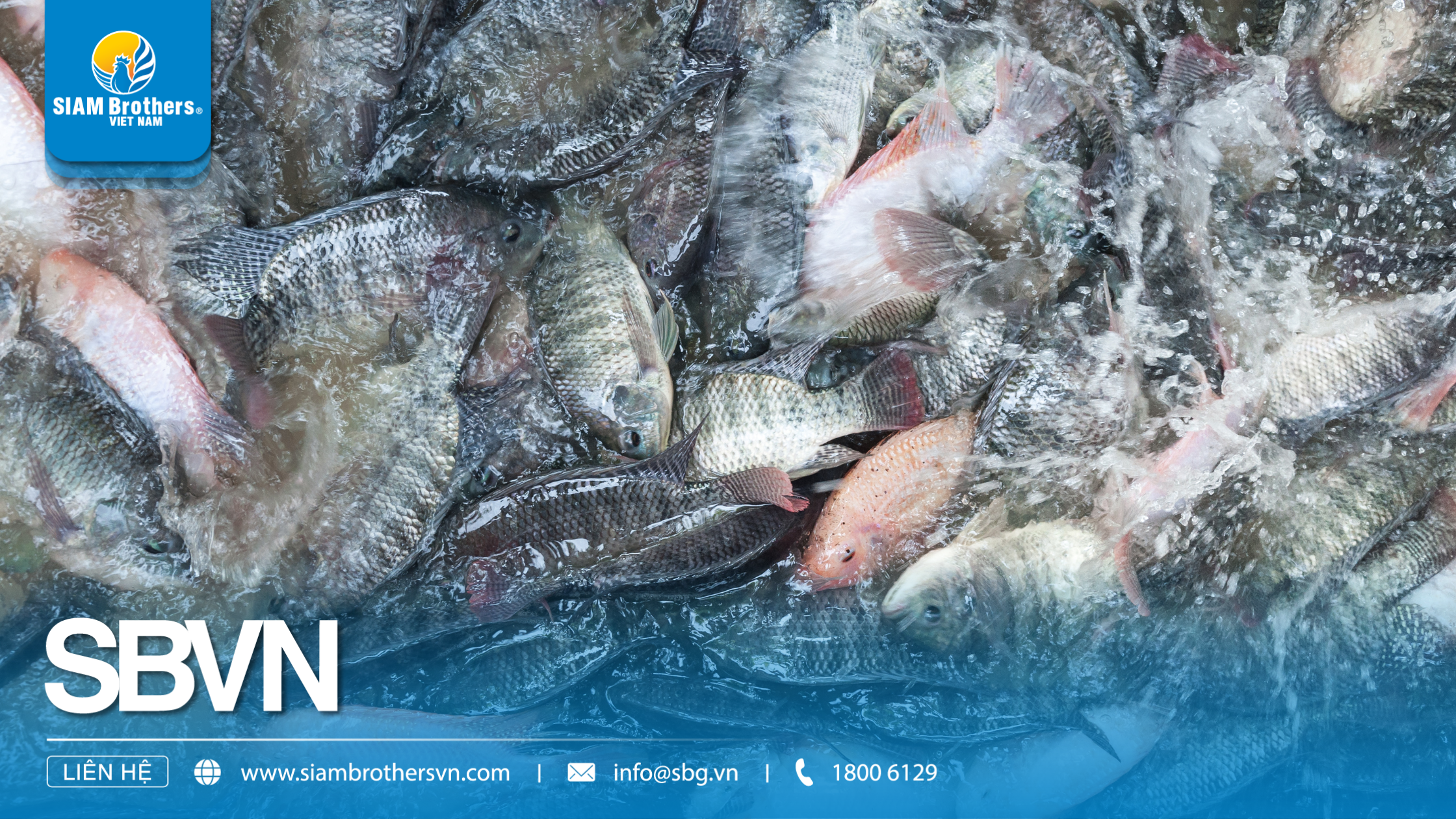
Applying proper Tilapia Farming Techniques not only promotes fast growth and minimizes disease risks but also improves overall economic efficiency in both pond and cage farming systems. When farmers focus on key factors such as pond preparation, selecting high-quality fingerlings, optimizing feeding strategies, maintaining water quality, and implementing proactive disease control, tilapia can grow consistently and reach market size within a short production cycle.
In addition, investing in durable aquaculture infrastructure plays a crucial role in long-term success. If you are looking for reliable aquaculture solutions such as high-strength ropes, HDPE floating systems, or durable HDPE plastic products designed for aquatic environments, contact SIAM Brothers Vietnam for expert consultation and sustainable solutions tailored to your tilapia farming model.
Source: SIAM Brothers Vietnam
Contact us:
► Address: 5th floor, VRG Building, 177 Hai Ba Trung Street., Xuan Hoa Ward, Ho Chi Minh City, Vietnam
► Hotline: 1800 6129
► Tel: (+84) 28 38 912 889
► Email: info@sbg.vn
► Follow us for more details at: Facebook - Zalo OA - Tiktok - Youtube - LinkedIn
Download SBVN ID app here:
► CHPlay
► Appstore









Specializing in Agricultural and Fisheries Products & Multipurpose Wire