
- 1800 6129

Can you replace a damaged multi-purpose HDPE float module without taking apart the entire floating structure? It's a practical question for businesses and operators looking to simplify maintenance, manage HDPE float costs, and keep their facilities running over the long term. Thanks to their modular design, HDPE float systems can be disassembled, expanded, or repaired section by section, provided the relevant technical requirements are met. But that doesn't mean every module is interchangeable. Dimensions, connection mechanisms, structural condition, and actual loads all need to be checked. So, when does it make sense to replace just one module? What does the process involve, and how can you keep the structure stable afterward? In this guide, SIAM Brothers Vietnam walks you through the key considerations for safe, practical, and cost-effective maintenance.
Yes. Multi-purpose HDPE floats are designed as modular units that can be removed and replaced individually, as long as the replacement module is compatible with the existing connections and overall structure. According to SIAM Brothers Vietnam's product information, this design also makes installation, expansion, relocation, and replacement more convenient.
Instead of dismantling an entire floating raft or HDPE floating dock, you may be able to repair only the damaged section. Before doing so, however, check the float's condition, connecting hardware, support frame, and actual load. These checks are essential to avoid compromising the structure's stability.
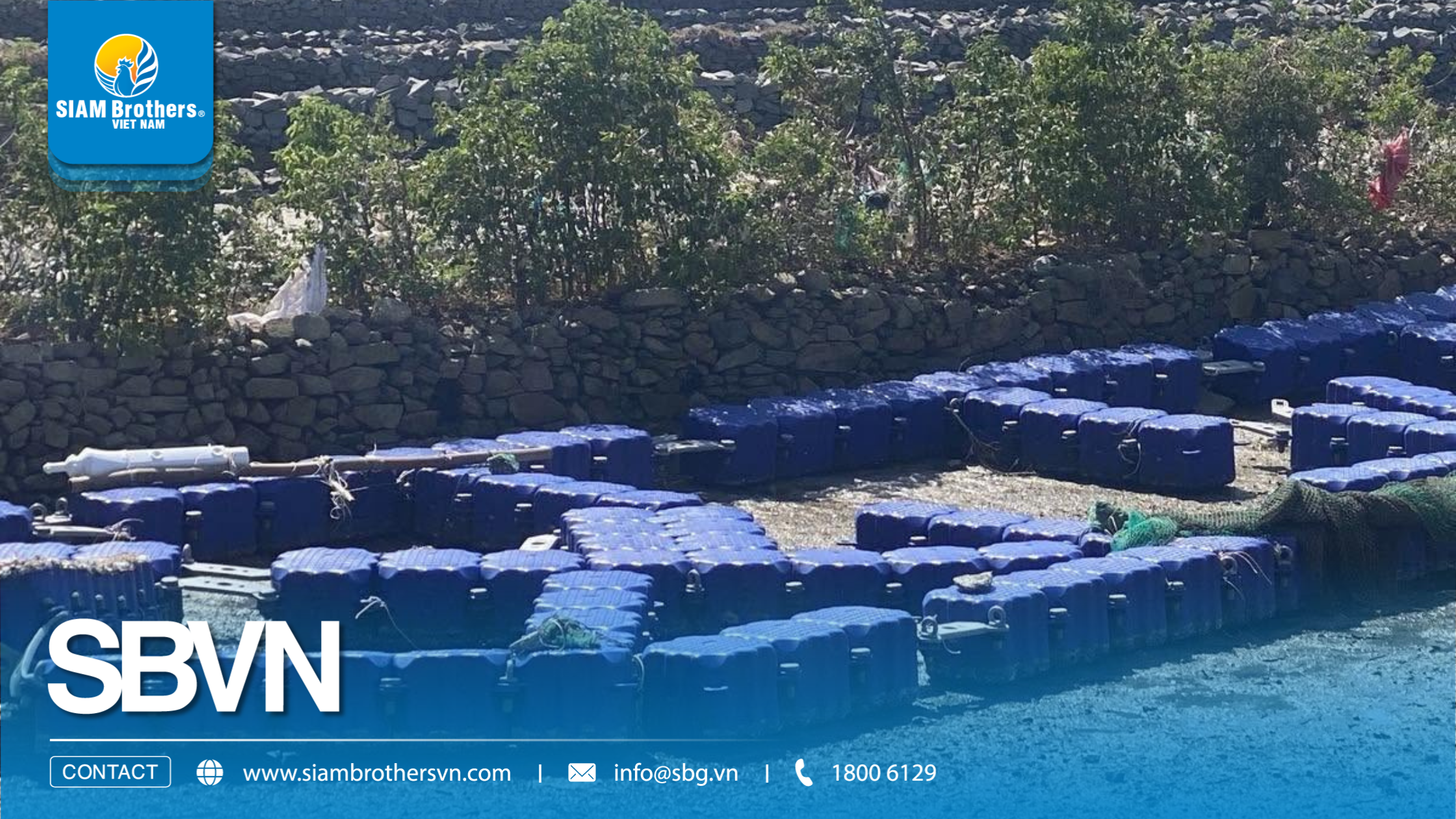
During regular use, inspect the system and consider a replacement if you notice any of the following:
Keep in mind that tilting or uneven floating doesn't always mean the float itself is damaged. The support frame, mooring system, uneven weight distribution, or connections could be responsible. That's why it's important to inspect the whole setup before deciding what to replace.
Compared with floating structures that aren't designed for partial disassembly, modular multi-purpose HDPE float systems offer several practical advantages:
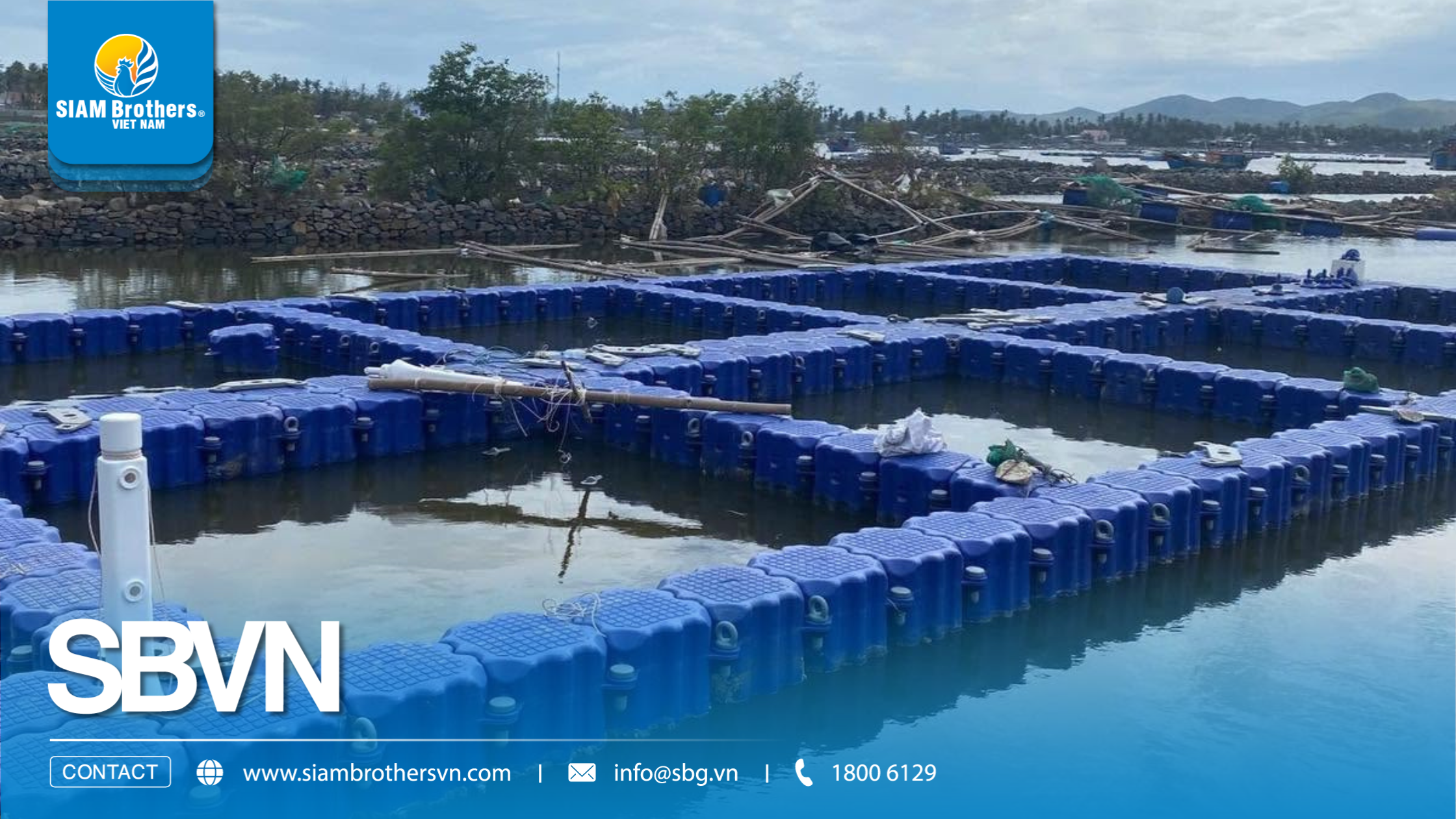
If a module looks damaged, don't rush to remove it. With a modular HDPE float system, checking the right components first helps you find the real cause, avoid unnecessary replacements, and protect the neighboring modules. Here's what to look at before starting repairs.
For example, if one corner of a fish-farming raft sits lower than the others, check the float underneath, the weight placed in that corner, and the raft frame. Otherwise, you could install a new module only to find that the problem comes back.
In a modular HDPE float system, the connection points are critical to the strength of the overall structure.
Confirm that connections can be removed safely: Make sure the joints can be undone using the correct procedure. Avoid prying or forcing them, which could damage adjacent modules.
Prepare compatible replacement parts: Use hardware of the correct type and size that matches the original design.
If a connection is loose but the float body is intact, you may not need to replace the whole module. On the other hand, installing a new float while leaving damaged or unsuitable connectors in place could cause the system to remain unstable.
Along with the floats and their connectors, inspect the parts that carry loads or keep the floating structure stable.
For instance, if a floating raft starts tilting after strong winds, the problem may be a shifted mooring line rather than a damaged float. A full inspection helps you fix the right problem instead of spending money on a replacement you don't need.
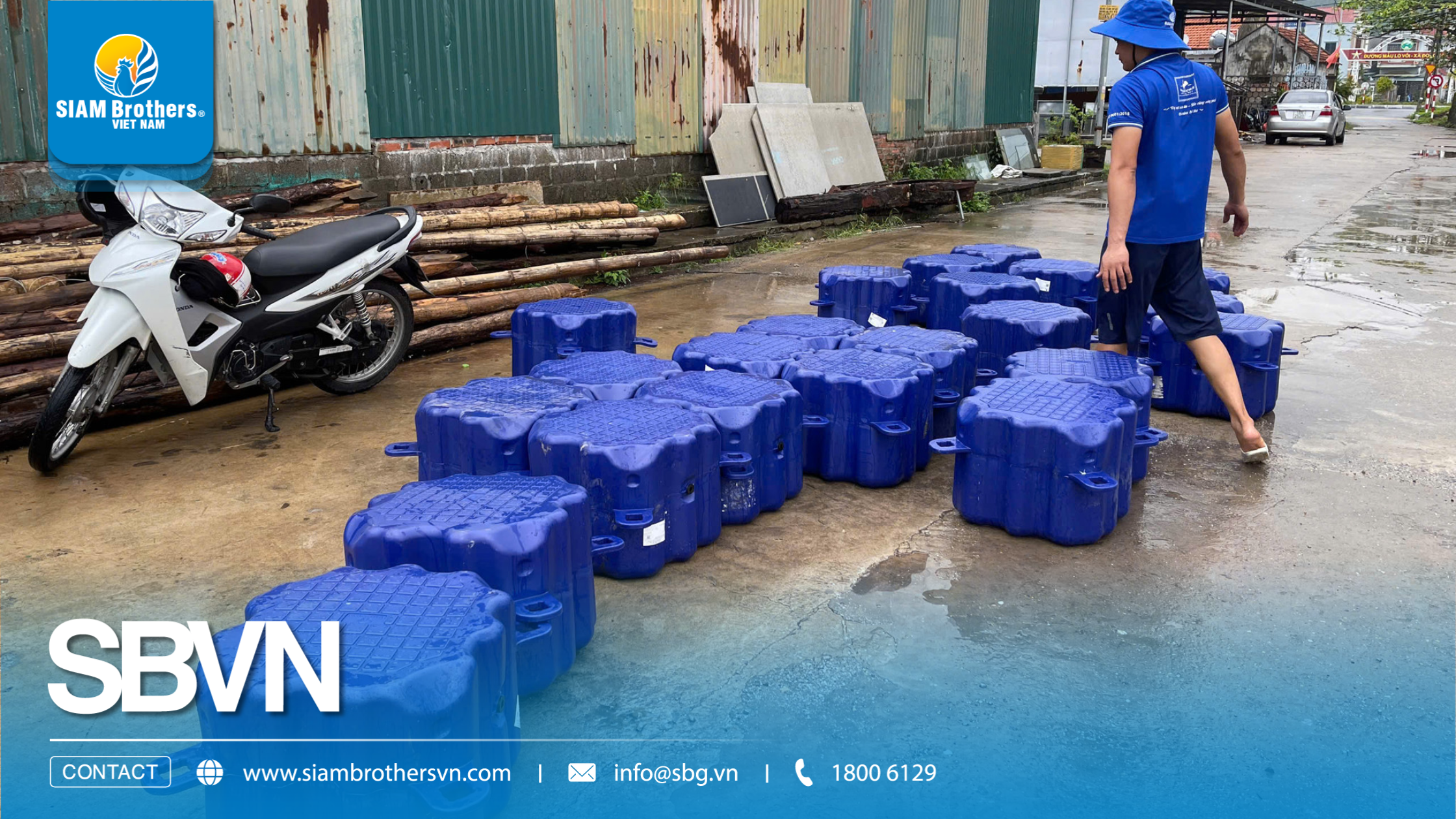
Once you've identified the part that needs replacing, make sure the new module will work with your existing system.
According to SIAM Brothers Vietnam's product information, a commonly available multi-purpose HDPE float measures 500 × 500 × 400 mm, with a stated flotation capacity of 87.5 kg. Even so, always check the specifications of the exact product model and system configuration before ordering a replacement.
Get technical support if any of the following apply:
You can't identify the cause of the damage or aren't sure whether the replacement module is compatible.
Finding the cause early helps you avoid unnecessary replacements. For example, if a raft tilts because a mooring line has shifted, replacing a float module alone may not solve the issue.
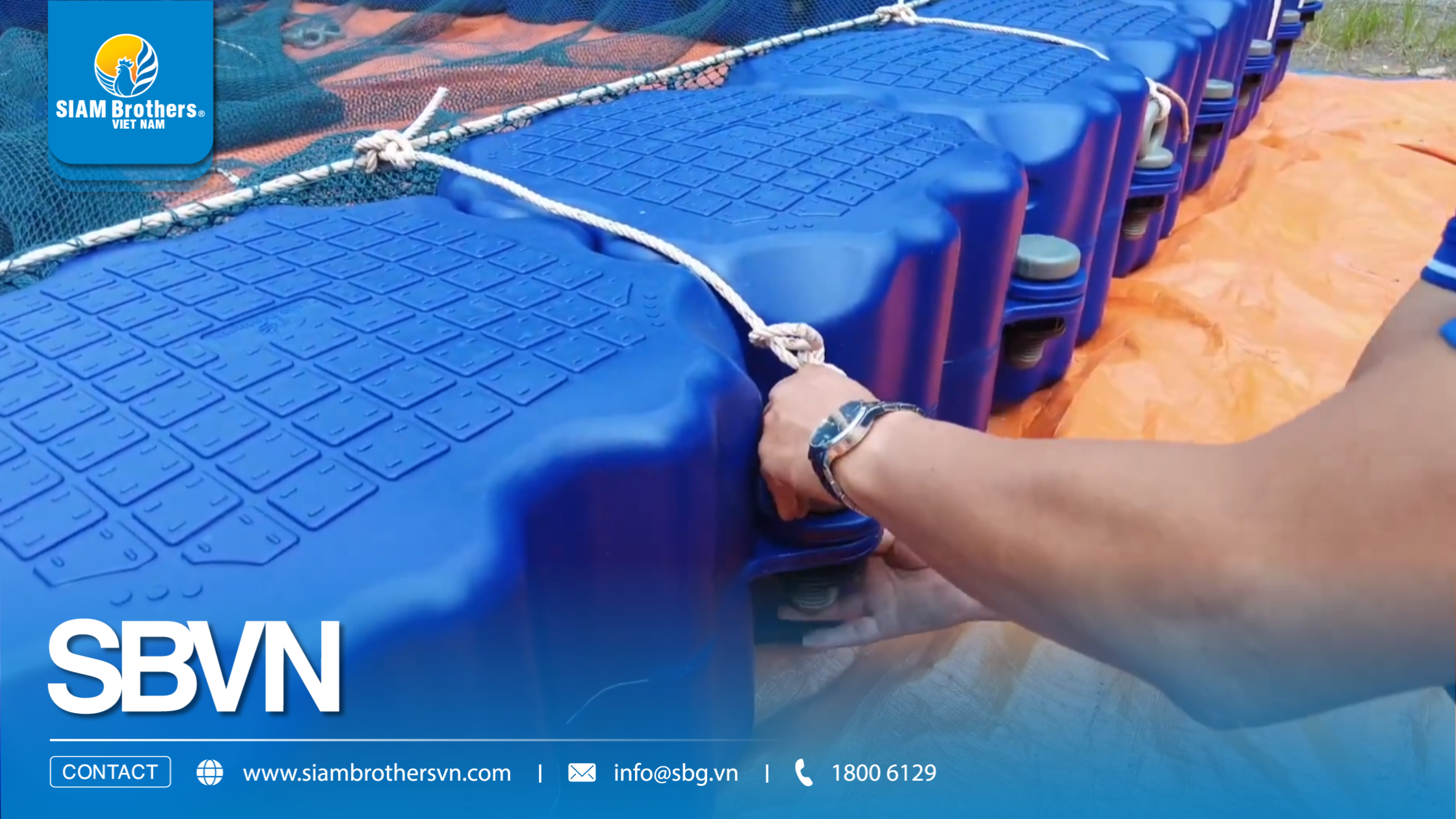
Before removing anything, make sure the multi-purpose HDPE float system won't shift or become unbalanced while the work is underway.
For large fish-farming rafts, floating docks, and landing platforms, a qualified technician should assess the removal plan. Never remove a load-bearing module without first understanding how doing so could affect the rest of the structure.
Once the work area is safe, remove the module according to the system's connection design.
If a connector is jammed, deformed, or won't come apart using the normal procedure, stop and inspect it rather than forcing it loose.
After removing the old module, inspect the installation area again before fitting the replacement.
Position the module correctly: Make sure it matches the system's existing layout and installation orientation.
Fit compatible hardware: Use the connector types specified for the design. Replace damaged parts instead of reusing hardware that may no longer be reliable.
Secure the connections: Assemble the joints in the correct order and according to the product's technical requirements.
Check the fit: Look at the gaps and contact points. Don't force a module into a misaligned position or create unusual stress on the structure.
Remember that size isn't everything: Even modules with identical dimensions may not be interchangeable if their connections or construction differ. Confirm compatibility before installation.
Just because the new module is installed doesn't mean the system is ready to go back into service. Check the entire repair area first.
For large structures or platforms used regularly by people, have the responsible technical personnel confirm the system's condition before reopening it.
If you're unsure how the modules come apart, consult the supplier's installation instructions or ask the technical team for guidance.
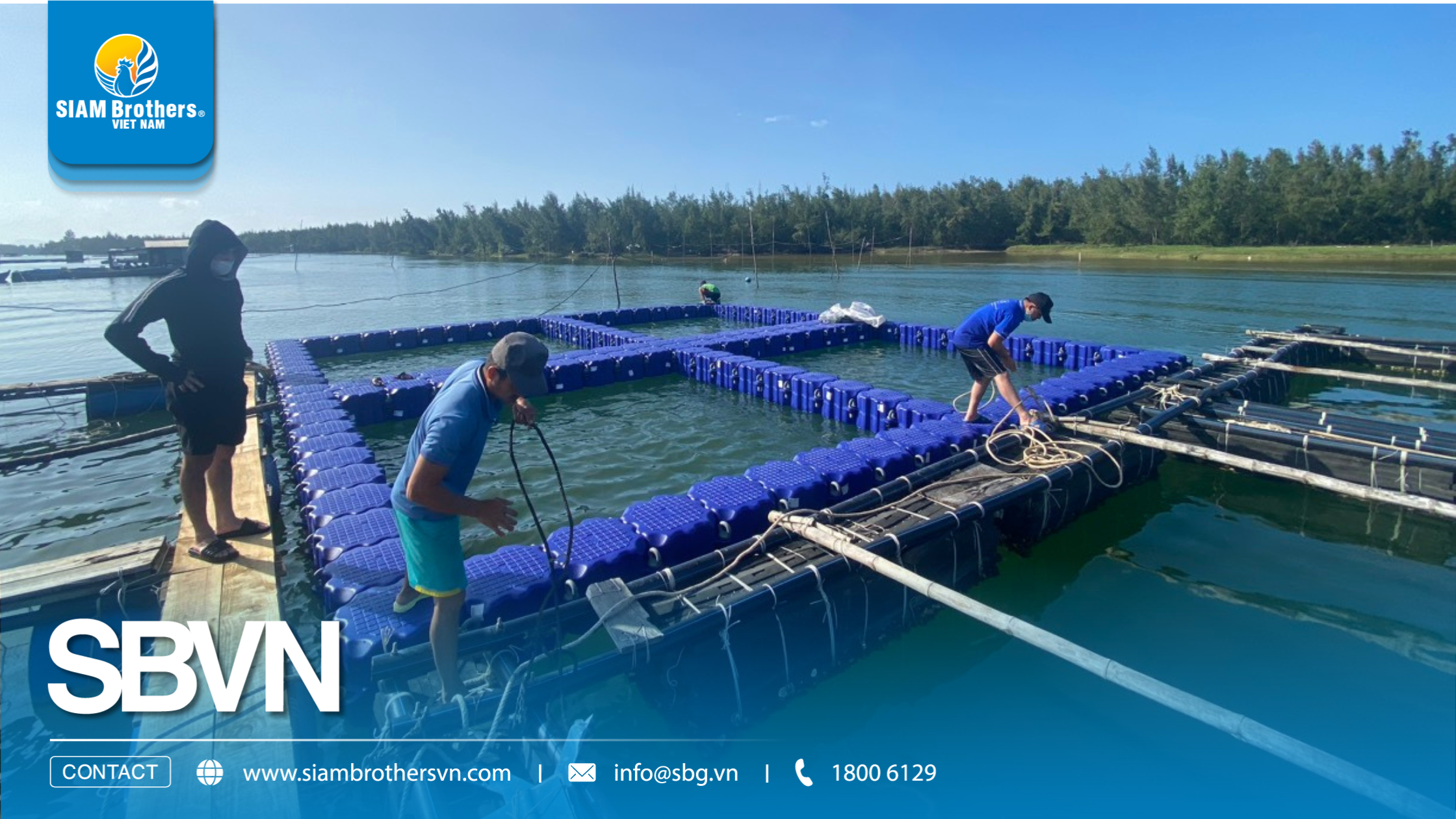
Yes, in some cases. If the system is modular, the damaged section is easy to access, and you understand how its connections are assembled, you may be able to replace an individual module yourself.
Before starting, reduce the load if needed, secure the structure, and prepare a compatible replacement. For large rafts, floating docks, or structures carrying a load, ask a qualified technician to inspect the system and guide the work. Don't attempt removal until the system is safe.
Not necessarily. If the damage is limited to one module and the rest of the structure still meets its technical requirements, replacing that module alone may be an option. But if several modules are cracked or deformed, connections are damaged, or the raft has become unbalanced, inspect the entire system before deciding how to repair it. The decision should be based on the system's actual condition, not just the number of visibly damaged floats.
To avoid ordering the wrong product, gather the following information before contacting the supplier:
Consider replacing a single module when the damage is confined to one location, such as a localized crack or deformation. First, check that the neighboring modules, connections, support frame, and mooring system are still stable. The new module must also be compatible with the existing design.
Inspect the whole system if several modules are damaged, the raft tilts unusually, or multiple connections are loose or deformed. A full inspection is also important after a major impact, severe weather, or any loss of balance you can't explain.
Don't rely on visible damage alone. With multi-purpose HDPE floats, tilting or low spots may be caused by uneven weight distribution, the support frame, or the mooring system. Unless you address the underlying cause, the same problem could happen again after a module is replaced.
Practical tip: If you're not sure how far the damage extends, inspect the entire system before choosing a repair method. That way, you can avoid unnecessary costs and help keep the floating structure stable.
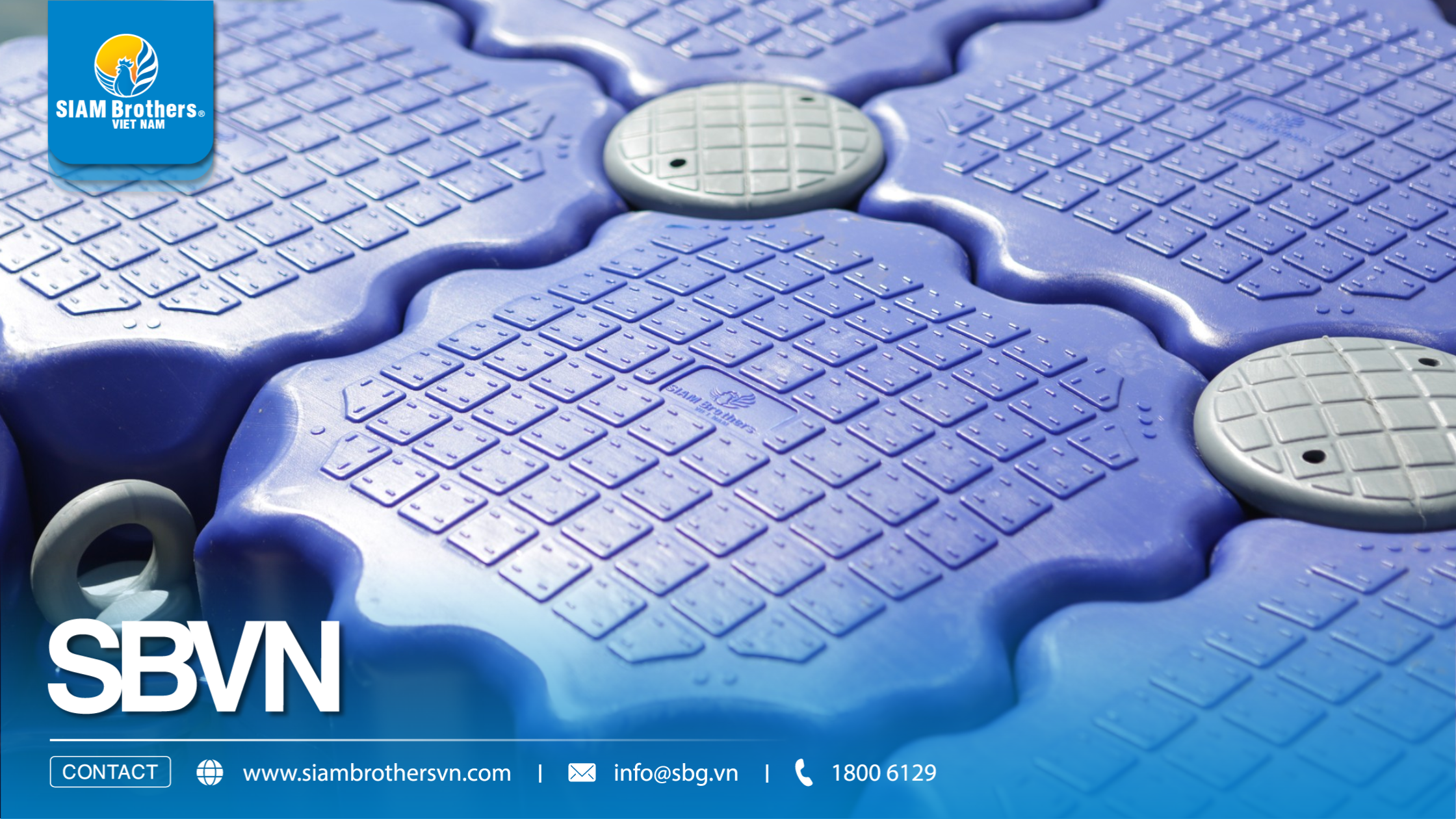
Multi-purpose HDPE floats can be disassembled and damaged modules replaced individually, making maintenance easier for floating rafts, docks, and platforms. Before replacing anything, though, inspect the float bodies, connection hardware, support frame, and mooring system to find the real cause of the problem. If only one module is damaged and the rest of the system is safe, replacing that module alone could reduce repair work and unexpected costs. If the raft is tilting or multiple joints are affected, inspect the whole structure before using it again. To choose the right replacement, compare dimensions, connection design, and actual load requirements. Contact SIAM Brothers Vietnam for advice on HDPE float solutions suited to your floating project.
Source: SIAM Brothers Vietnam
Contact us:
► Address: 5th floor, VRG Building, 177 Hai Ba Trung Street., Xuan Hoa Ward, Ho Chi Minh City, Vietnam
► Hotline: 1800 6129
► Tel: (+84) 28 38 912 889
► Email: info@sbg.vn
► Follow us for more details at: Facebook - Zalo OA - Tiktok - Youtube - LinkedIn
Download SBVN ID app here:
► CHPlay
► Appstore







Specializing in Agricultural and Fisheries Products & Multipurpose Wire