
- 1800 6129

What if a café, restaurant, or bar could move beyond traditional land-based locations and operate directly on the water? From tropical coastlines to rivers running through vibrant cities, the floating bar concept is opening up exciting possibilities for tourism, hospitality, and entertainment businesses. Beyond offering a unique place to enjoy food and drinks, floating bars demonstrate how waterfront environments can be transformed into memorable destinations.
In this article, join SIAM BROTHERS VIETNAM as we explore remarkable floating bar concepts around the world, their potential for development in Vietnam, and how HDPE buoys can be considered when developing floating hospitality spaces.
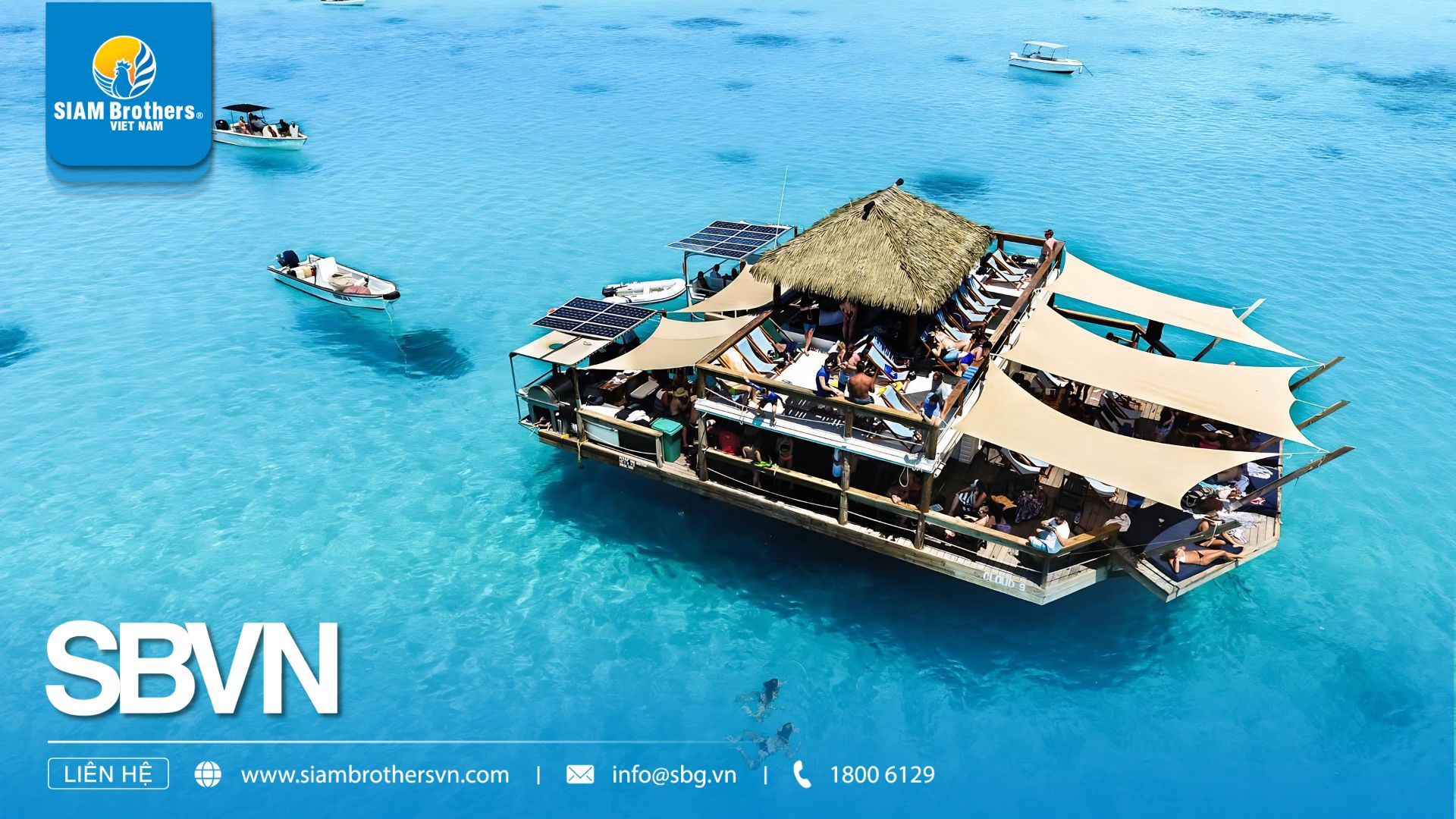
Floating bars offer visitors a unique opportunity to enjoy drinks and relaxation surrounded by breathtaking ocean views. / Source: FijiDude
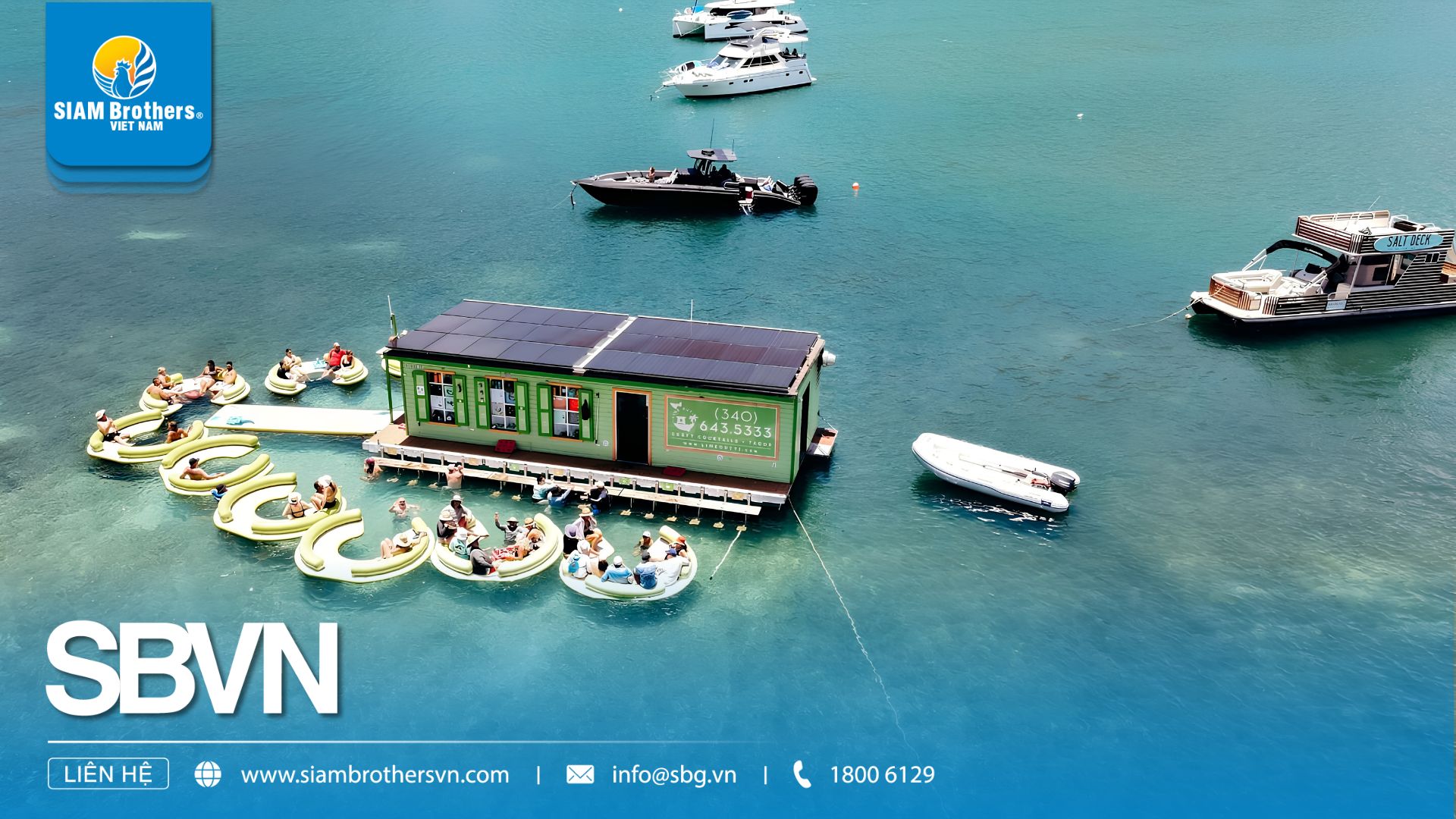
Floating bars combine dining, beverages, and entertainment to create distinctive experiences directly on the water. / Source: AFAR
A floating bar is a bar or beverage-serving venue built on a floating structure located on a river, lake, or sea. Depending on its size and intended purpose, it may also incorporate dining areas, relaxation spaces, scenic viewpoints, and recreational activities.
Unlike traditional land-based bars, floating bars stand out because of their location and the experience they offer. Rather than simply enjoying a waterfront view from the shore, visitors can experience the surrounding landscape from a floating space.
These establishments come in various forms, ranging from small offshore beverage stations to floating restaurants, floating cafés, and event venues within larger tourism developments.
For investors and hospitality operators, floating bars represent an opportunity to diversify services, create distinctive attractions, and make use of existing waterfront scenery. However, the feasibility of each project must be assessed according to local environmental conditions, operational requirements, and applicable regulations.
Floating bars have evolved into diverse hospitality concepts worldwide. Some operate offshore in tropical destinations, while others are positioned along urban rivers or anchored close to the coastline.
According to travel publication AFAR, destinations such as Cloud 9 in Fiji, Shore Thing in the United States, and Lime Out in the U.S. Virgin Islands demonstrate the versatility of floating hospitality spaces.
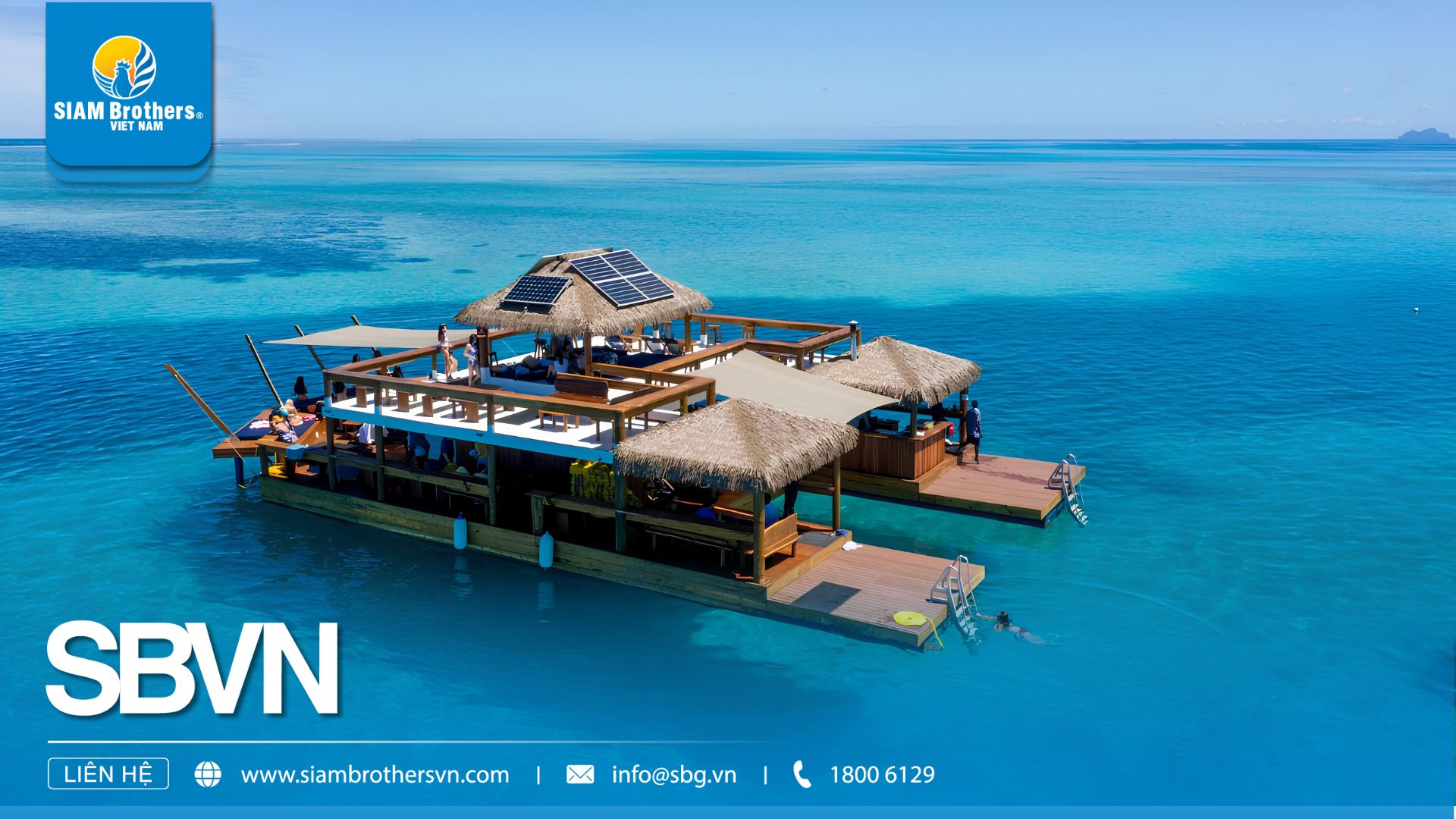
Cloud 9 in Fiji is a two-story floating bar and restaurant surrounded by crystal-clear tropical waters. / Source: GetYourGuide
Alt text: Cloud 9 floating bar and restaurant in Fiji featuring a two-level deck in the ocean.
Located near Ro Ro Reef in Fiji's Mamanuca Islands, Cloud 9 is a two-story floating bar and restaurant anchored offshore.
The venue combines beverages, pizza, music, and recreational activities such as swimming and snorkeling. Visitors reach the floating structure by boat, making the journey part of the overall experience.
What makes Cloud 9 particularly distinctive is its ability to transform an offshore location into the main attraction.
Rather than functioning solely as an additional dining service, the floating venue has become a destination in its own right.
For hospitality investors, Cloud 9 illustrates how an unconventional location can contribute to a memorable tourism experience.

Shore Thing in Pittsburgh combines food and beverage services with community activities on a floating riverside platform. / Source: CBS News
Alt text: Shore Thing floating bar and community platform along the Allegheny River in Pittsburgh.
Unlike Cloud 9, Shore Thing in Pittsburgh, Pennsylvania, makes use of an urban riverfront environment.
Located on the Allegheny River, the floating venue occupies approximately 4,800 square feet (446 m²) and provides space for food, beverages, and community-oriented activities.
Its programming has included music, yoga, and family-friendly events, demonstrating that floating venues can serve purposes beyond conventional dining and entertainment.
This concept highlights the potential of riverside locations for developing hospitality spaces without necessarily positioning them offshore.
For investors considering floating cafés, leisure platforms, or waterfront tourism facilities, Shore Thing provides an interesting example of how floating structures can support community engagement and commercial activities.
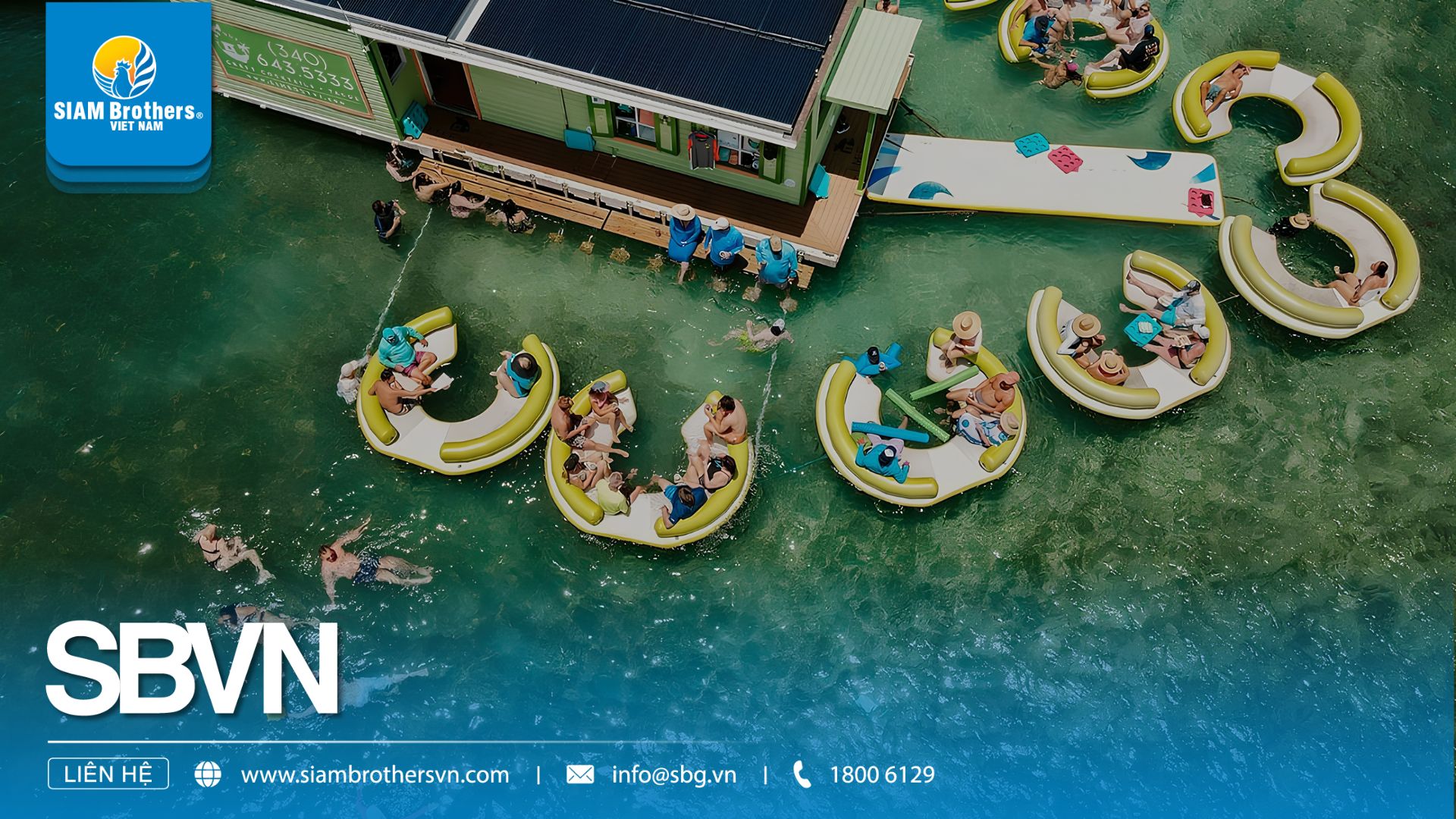
Lime Out in the Caribbean offers a unique floating dining experience featuring tacos and refreshing beverages. / Source: Bon Appétit
Located in Coral Bay on St. John in the U.S. Virgin Islands, Lime Out operates as a floating taco and beverage bar.
Instead of developing a large restaurant, the venue focuses on a more specialized dining concept that incorporates its surrounding marine environment.
Guests access the establishment through permitted water transportation arrangements, making the floating location an essential part of the experience.
The concept demonstrates how a relatively focused food and beverage operation can create a distinctive hospitality offering.
For investors interested in smaller floating bar concepts, Lime Out offers inspiration for developing beverage stations or compact dining spaces at suitable tourism destinations.
What these floating bar concepts share is not necessarily the same construction material or structural system, but their ability to transform the surrounding water into an essential part of the customer experience.
This principle is equally relevant when exploring floating bar opportunities in Vietnam.
Vietnam features an extensive network of rivers, lakes, lagoons, and coastal destinations associated with tourism and recreation.
These natural environments offer interesting opportunities to explore new waterfront hospitality concepts.
Rather than limiting cafés and restaurants to traditional shoreline locations, investors may consider floating spaces as an alternative way to enhance visitor experiences.
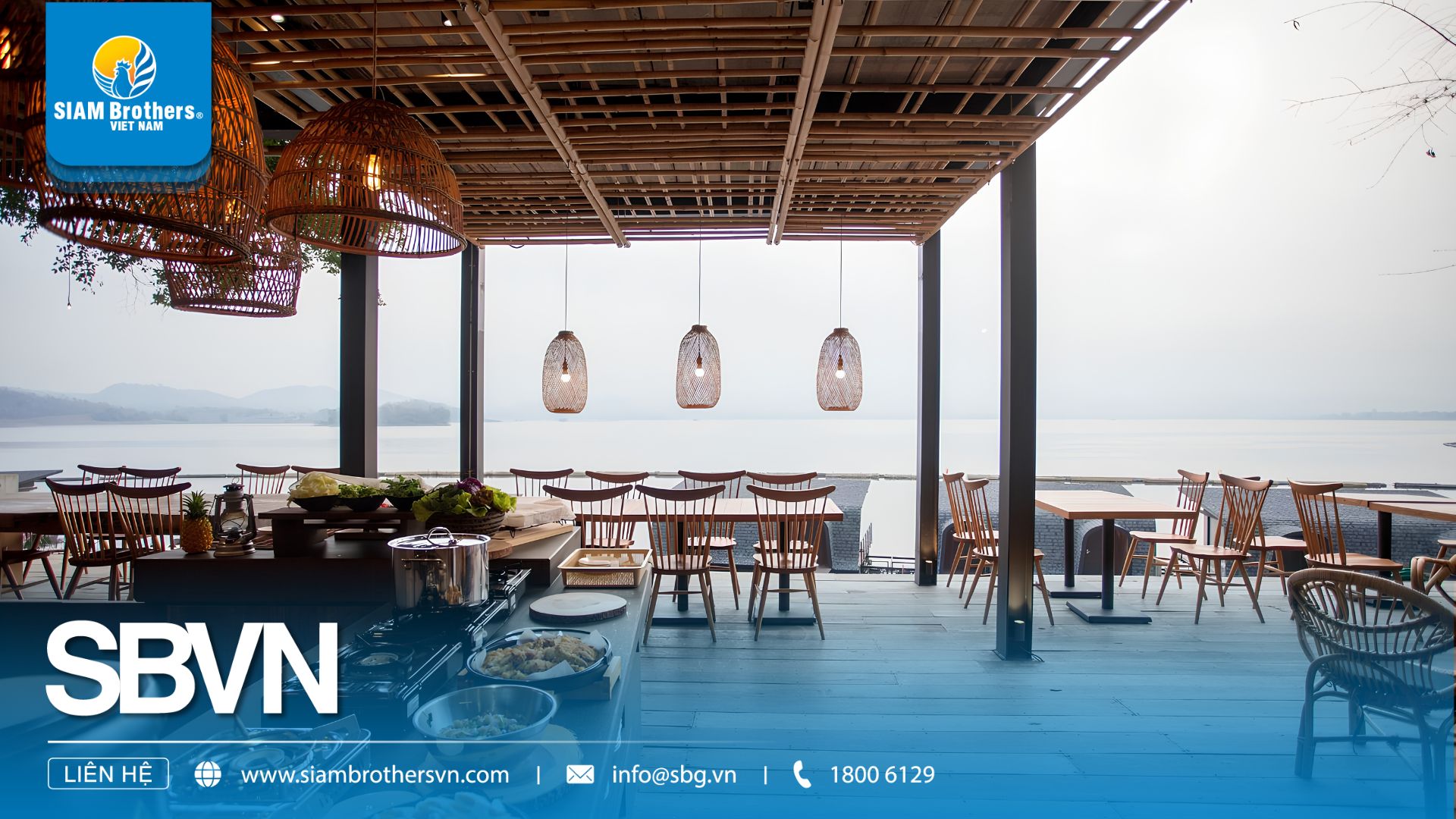
Floating cafés present opportunities to create relaxing waterfront spaces at lakeside resorts and tourism destinations. / Source: Plain Magazine
A floating café can incorporate outdoor seating, shaded areas, and panoramic viewpoints.
This concept may be worth exploring at eco-tourism destinations, scenic lakes, or resorts where water-based commercial activities are permitted.
With an appropriate design, a floating café can offer visitors a distinctive setting for enjoying drinks while experiencing the surrounding landscape.
Coastal resorts and integrated tourism developments may consider floating bars as additional hospitality facilities.
These spaces can provide dedicated areas for refreshments, relaxation, and scenic experiences.
Depending on the location, guests may access the venue through a connecting walkway or suitable water transportation.
The appropriate access method must be determined according to local water conditions and operational requirements.
Beyond beverage services, floating bar concepts may also be expanded into floating restaurants or event venues.
Depending on their size and design, these facilities could accommodate private gatherings, dining experiences, or recreational activities within tourism developments.
Regardless of the business model, site surveys, load calculations, access arrangements, and anchoring systems are essential considerations before implementation.
Read more: Floating House Models Using HDPE Buoys: Sustainable and Efficient Solutions
Behind every attractive floating bar is a structural system that must be designed to support its architecture and intended use.
One option worth considering is a modular HDPE floating platform, integrated with a properly engineered supporting frame, decking system, and structural connections.
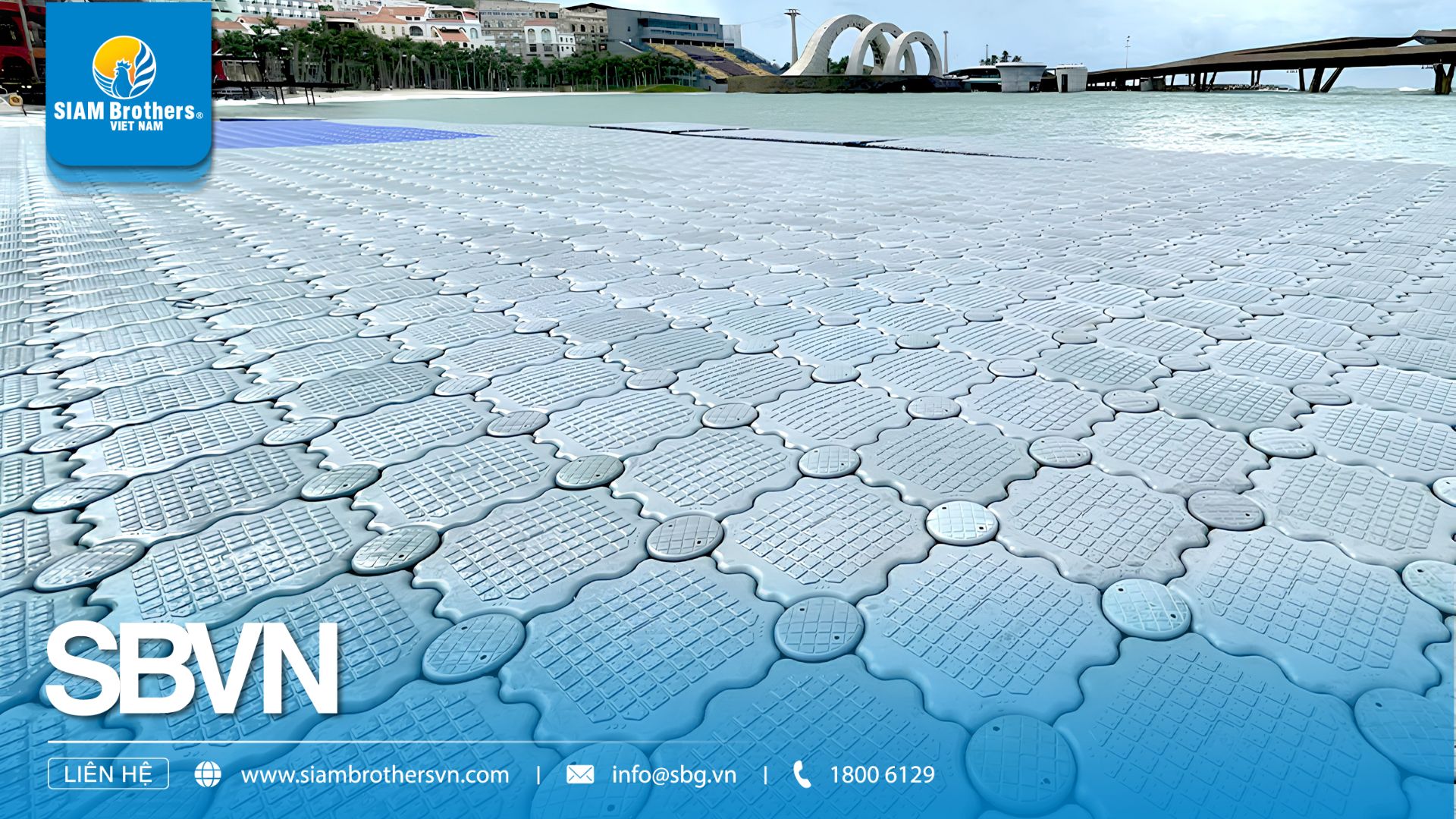
Modular HDPE floating units can be assembled into different platform configurations according to project design requirements. / Source: SIAM Brothers VN
Alt text: Modular HDPE floating pontoon units assembled to form a floating platform.
SIAM BROTHERS VIETNAM offers a range of HDPE buoys designed for modular floating applications.
According to the company's published product information, the HDPE buoy features several characteristics:
Manufactured using virgin high-density polyethylene (HDPE).
Modular dimensions of 500 × 500 × 400 mm.
A modular configuration that allows assembly, expansion, replacement, and relocation according to system design.
Product characteristics intended to support use in outdoor and marine environments.
The modular design makes HDPE buoys an option worth evaluating when developing floating platforms for cafés, beverage stations, or auxiliary waterfront facilities.
However, the suitability of HDPE buoys for floating bars cannot be determined solely from the specifications of individual floating units.
The complete structure must be evaluated for buoyancy, load distribution, stability, supporting frames, connections, and anchoring systems under actual operating conditions.
For commercial hospitality projects, structural design and safety assessments should be carried out by qualified professionals.
Read more: Explore SIAM BROTHERS VIETNAM's HDPE Buoy Products
Developing a floating bar involves more than creating an attractive architectural design.
The project must also meet practical requirements for structural performance, accessibility, safety, and day-to-day operations.
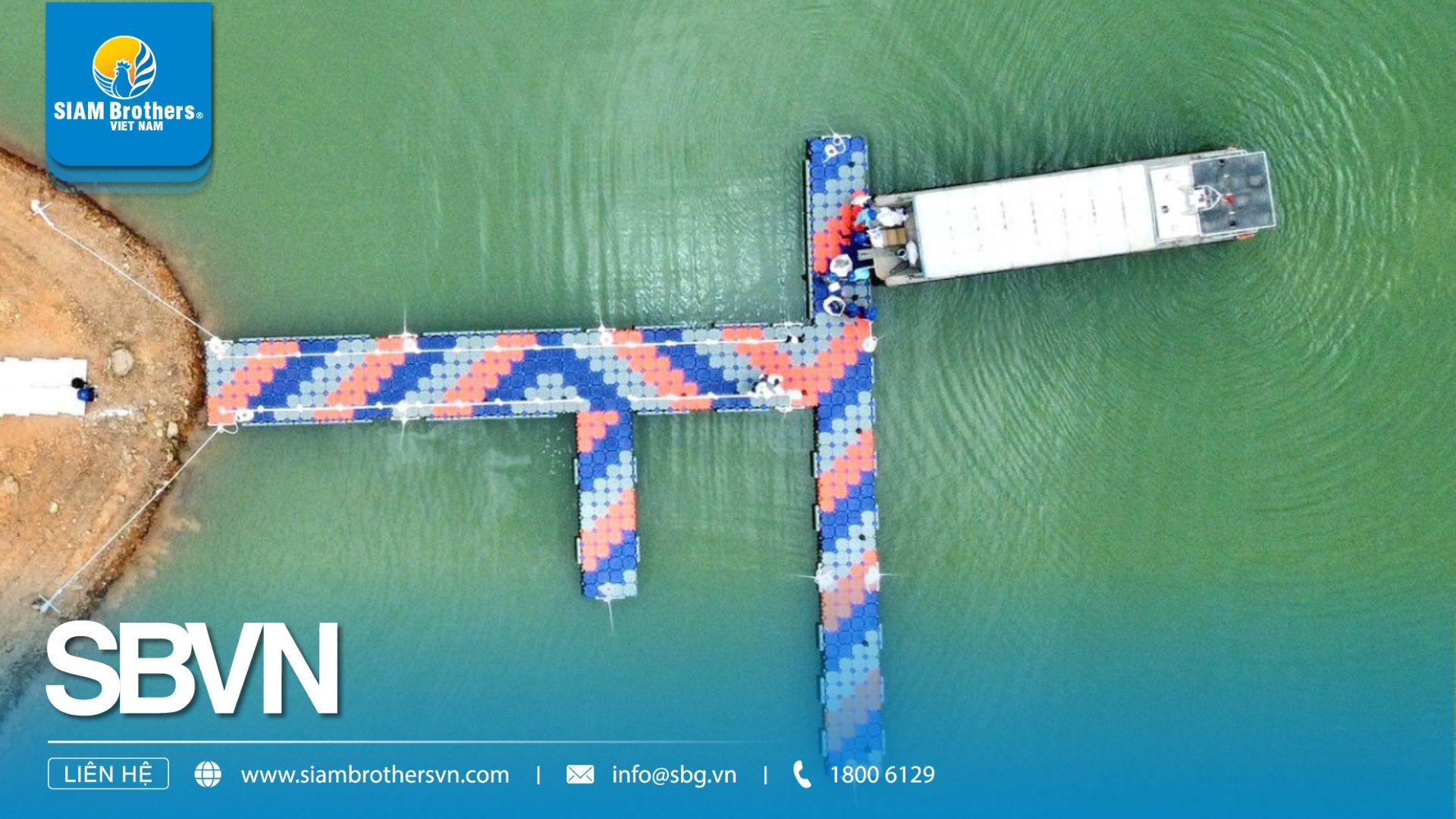
Floating structure design requires careful consideration of decking systems, buoyancy, access arrangements, and anchoring solutions. / Source: SIAM Brothers VN
Before selecting a floating platform solution, investors should clearly define the intended purpose of the venue.
A small beverage station will have different requirements from a floating restaurant or event space.
Key considerations include the usable floor area, expected number of visitors, equipment weight, furniture, and operational loads.
Local water conditions are equally important. Water depth, fluctuating water levels, currents, waves, wind exposure, and accessibility can all influence the final design.
Additional elements such as access walkways, guardrails, electrical systems, water supply, fire safety, emergency evacuation, wastewater management, and legal permits must also be considered according to the type and location of the project.
Early discussions between investors, engineering consultants, designers, and floating platform suppliers can help establish the necessary technical information and determine which solutions should be evaluated before construction.
Read more: HDPE Modular Floating Buoys for Aquaculture Platforms
A floating bar is a beverage-serving establishment located on a floating structure in a river, lake, or marine environment. Depending on its design, it may also incorporate dining, relaxation, and entertainment facilities.
Modular HDPE buoys may be considered for certain floating platform applications. However, their suitability for a floating bar depends on structural loads, environmental conditions, platform stability, and project-specific engineering requirements.
Floating cafés on lakes, beverage stations at coastal resorts, and riverside hospitality platforms are among the concepts worth exploring. Their feasibility depends on business objectives, local water conditions, infrastructure, and regulatory requirements.
Modular HDPE floating systems allow different assembly configurations and may support future expansion. However, any change in platform size or intended use requires reassessment of structural capacity, stability, connections, and anchoring arrangements.
Development costs depend on platform size, structural design, floating system configuration, architectural requirements, loading conditions, anchoring systems, accessibility, and operational infrastructure.
A preliminary design and site assessment are necessary before preparing a reliable project cost estimate.
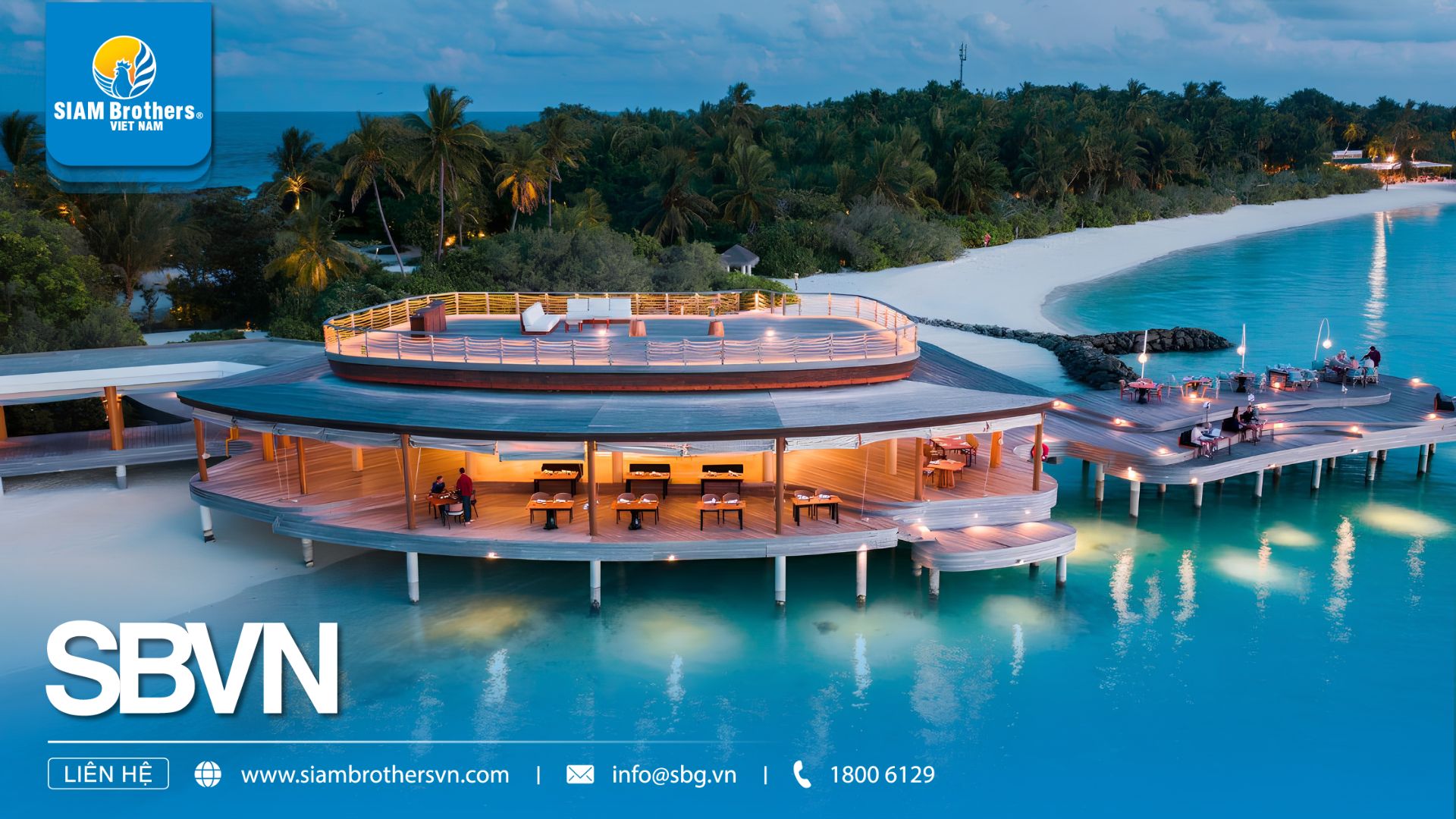
Floating bars offer new possibilities for transforming waterfront locations into distinctive dining, tourism, and entertainment destinations. / Source: Visit Maldives
From offshore tropical bars to riverside cafés, floating hospitality concepts demonstrate that water can offer more than scenic value. It can become an essential part of a memorable customer experience.
For resort developers, restaurant operators, café owners, and tourism investors, floating bars represent an interesting opportunity to explore new hospitality concepts and differentiate their destinations.
Turning these ideas into practical projects requires careful consideration of the supporting floating structure.
With its modular HDPE buoy products, SIAM BROTHERS VIETNAM provides floating components that customers can explore when evaluating suitable solutions for water-based applications.
Are you considering developing a floating bar, floating café, or floating restaurant?
Contact SIAM BROTHERS VIETNAM to learn more about our HDPE buoy products and discuss potential applications based on your project's specific requirements.
Cre SIAM Brothers Vietnam
Contact us:
Address: 5th Floor, VRG Building, No.177 Hai Ba Trung, Xuan Hoa Ward, Ho Chi Minh City, Vietnam.
Tel: (+84) 28 38 912 889
Hotline: 1800 6129
Fanpage: facebook.com/siambrothersvn
Email: info@sbg.vn
Youtube: youtube.com/@siambrothersvietnam1728
X: https://x.com/sbvnjsc
OA Zalo: zalo.me/1402339229697925373
App SBVN ID:
CHPlay: https://bit.ly/SBVNID-Android
Appstore: https://bit.ly/SBVNID-iOS






Specializing in Agricultural and Fisheries Products & Multipurpose Wire