Today, aquaculture demands higher technical standards than ever before. The model combining HDPE floating systems and fish farming nets has emerged as an effective solution, enabling better water quality control, higher survival rates, and shorter harvest cycles.
In this article, SIAM Brothers Vietnam provides a step-by-step guide to the carp farming process, from cage system preparation and fingerling selection to stocking density, feeding regimes, and disease prevention based on practical industry standards.
1. Overview of Carp Farming Using HDPE Floating Systems and Net Cages
1.1. What is cage-based carp farming?
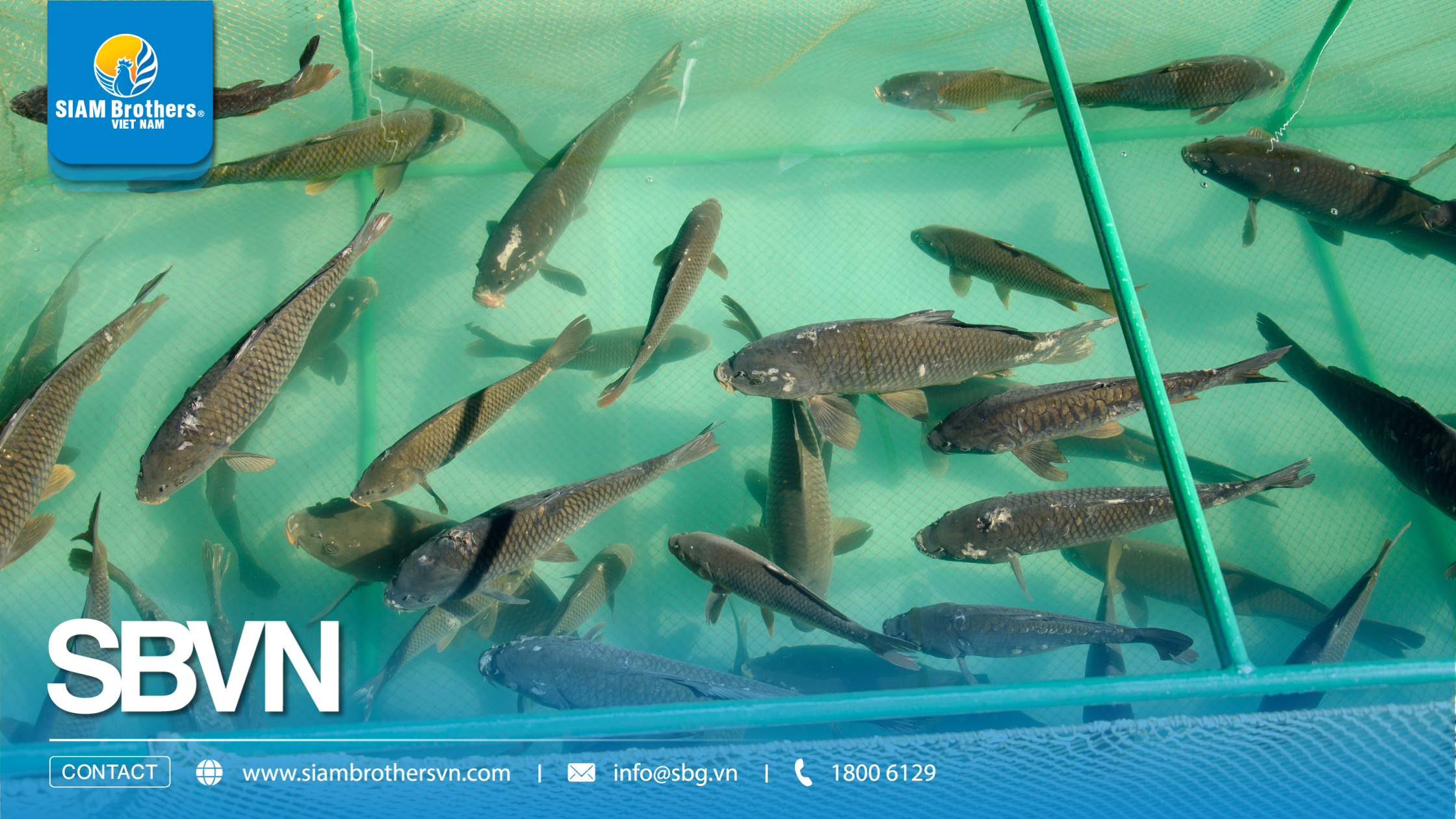
- A method of raising carp in cages installed in rivers, lakes, or natural water bodies
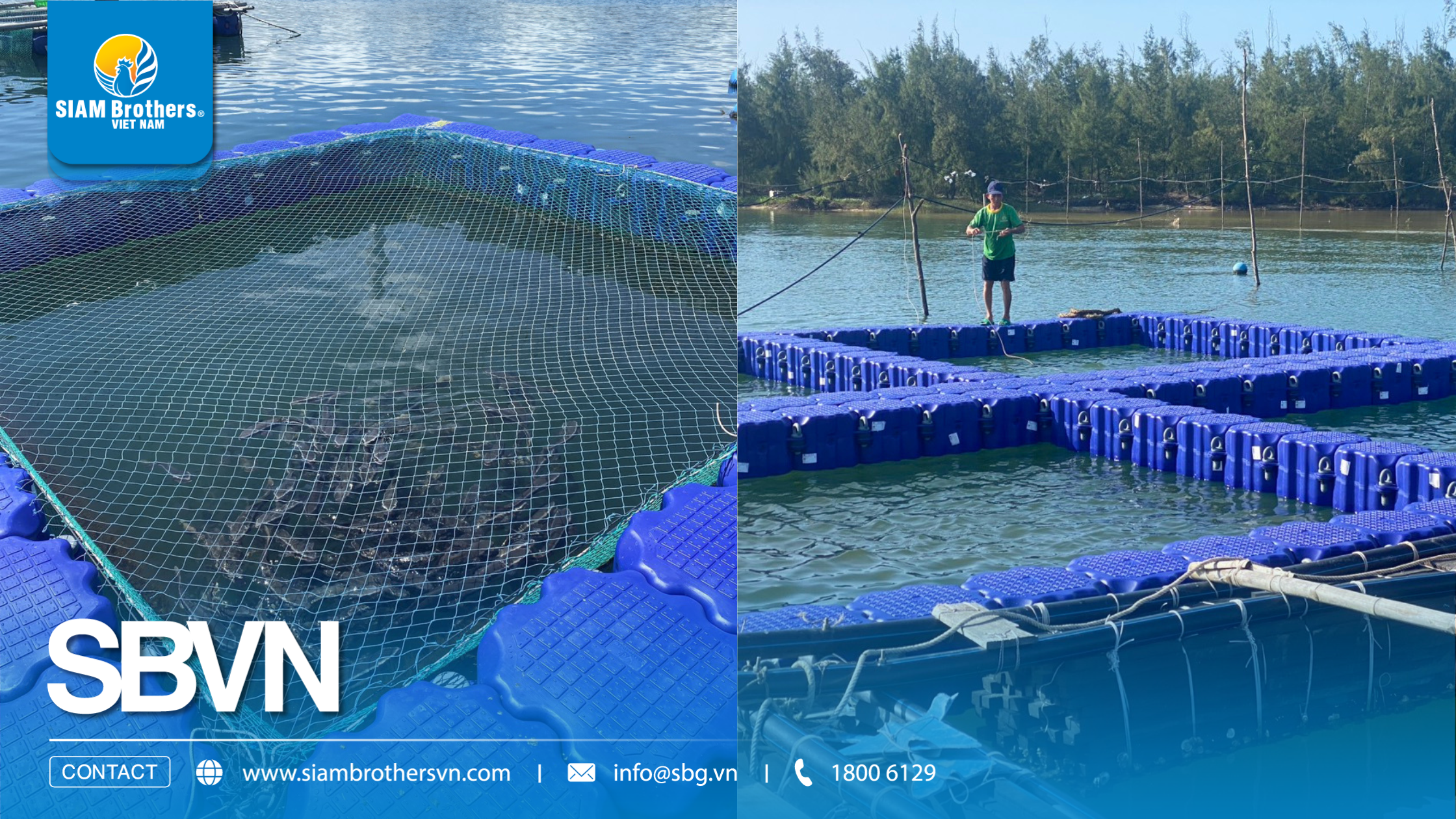
- Utilizes HDPE floating systems to support the cage structure, combined with nets to create a controlled farming space
- Takes advantage of natural water flow to supply oxygen and remove waste
- Suitable for both small-scale households and large aquaculture enterprises
1.2. Structure of the floating and net system in carp farming
1.2.1. HDPE floating system
- Keeps the entire cage system afloat and stable under changing environmental conditions
- UV-resistant, corrosion-resistant, and durable with a lifespan of 5–10 years
- Reduces long-term maintenance and replacement costs
1.2.2. Carp farming nets
- Define the farming area and effectively control stocking density
- Proper mesh size helps prevent fish loss and enhances water circulation
- Made from durable, high-strength materials suitable for long-term use
1.2.3. Mooring ropes and anchoring system
- Stabilize the cage system and prevent drifting in strong currents
- Ensure operational safety during adverse weather conditions
- Play a critical role in maintaining the efficiency of the carp farming process
1.3. Why use HDPE floating systems and nets in the carp farming process?
- Improve survival rates through continuous natural water circulation
- Reduce disease risks by minimizing waste accumulation
- Enable easier density control and growth monitoring
- Maximize water surface utilization, especially in rivers and large reservoirs
- Align with sustainable and commercial aquaculture practices
2. Preparing the Commercial Carp Farming System
2.1. Selecting the right location for cage farming
- Choose areas with clean, unpolluted water and good circulation
- Ensure stable water depth of at least 3–5 meters for optimal fish growth
- Moderate current flow to supply oxygen without stressing the fish
- Avoid areas with heavy boat traffic or strong wave impact
- Ensure easy access for feeding, monitoring, and system maintenance
2.2. Designing the HDPE floating cage system
2.2.1. Technical requirements for HDPE floats
- High load-bearing capacity to support the entire cage structure
- UV-resistant and corrosion-resistant in both freshwater and marine environments
- Proper size and quantity based on cage scale and design
2.2.2. Cage frame structure
- Constructed from durable materials such as galvanized steel or HDPE
- Modular design for easy expansion and relocation
- Securely connected to the floating system for long-term stability
2.3. Selecting suitable carp farming nets
- Mesh size tailored to each growth stage of the fish
- Durable, high-strength material resistant to tearing and deformation
- Ensures proper water exchange and prevents waste accumulation
- Easy to clean, replace, and maintain throughout the farming cycle
2.4. Mooring and anchoring system
2.4.1. Mooring rope selection criteria
- High tensile strength to withstand currents and environmental forces
- Abrasion-resistant for long-term underwater use
- Proper diameter and specifications based on total system load
2.4.2. Cage anchoring solutions
- Fixed using stakes or anchors depending on the seabed or riverbed conditions
- Strategic anchor placement to distribute force and prevent cage movement
- Regular inspection to ensure safety during storms and adverse weather
2.5. System inspection before stocking
- Check the stability of the entire floating and cage structure
- Ensure nets are intact with no holes or damage
- Assess water quality parameters (pH, dissolved oxygen, clarity)
- Clean cages to eliminate potential disease agents
- Determine appropriate stocking density before operation
3. Carp Care Process by Growth Stages
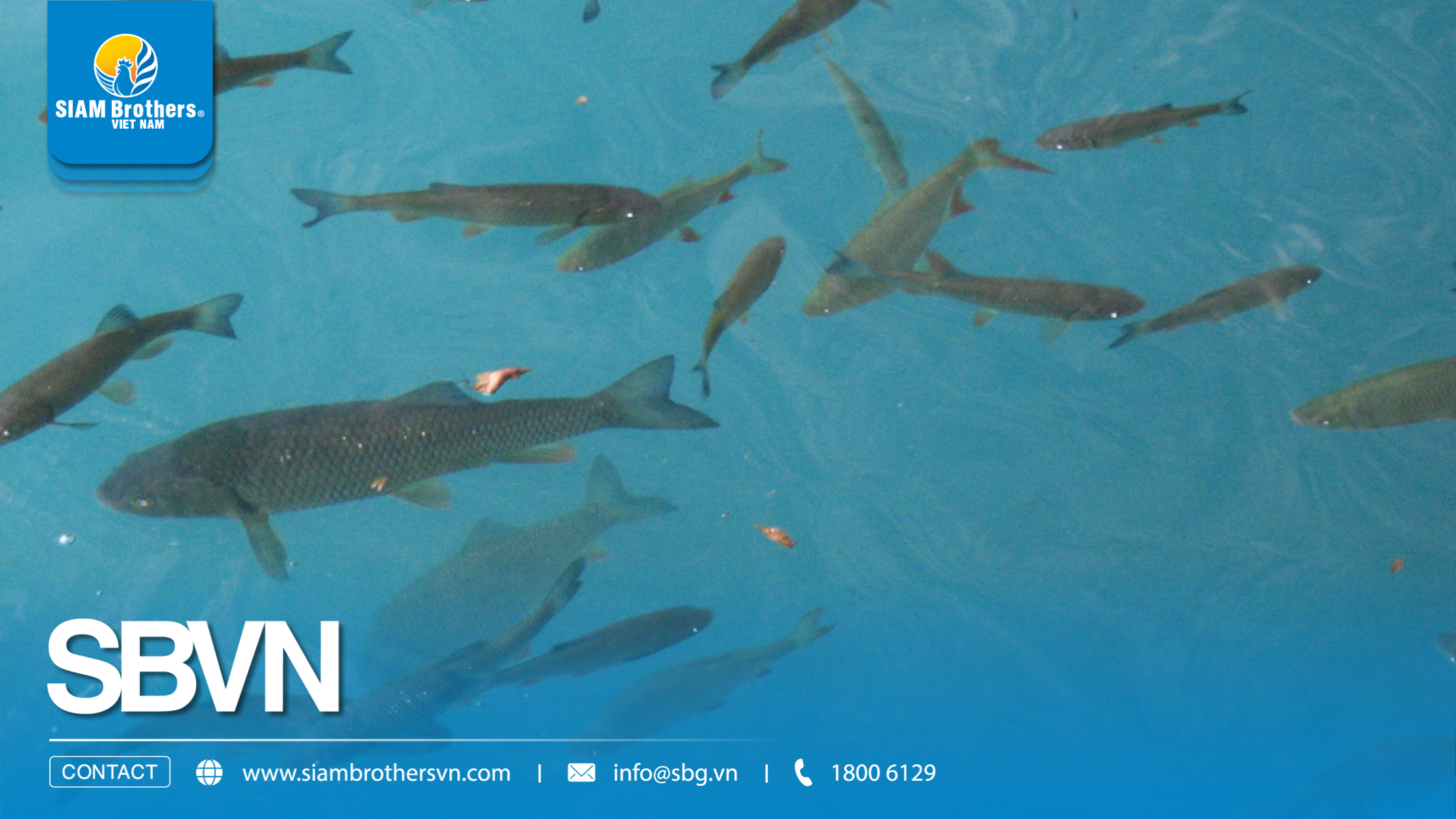
In the carp farming process, proper care at each stage is essential to ensure optimal growth, high survival rates, and consistent product quality. Managing feeding, water conditions, and stocking density systematically will significantly improve farming efficiency.
3.1. Stocking and Environmental Adaptation Stage
3.1.1. Pre-stocking preparation
- Check water parameters: pH 6.5–8.5, dissolved oxygen > 4 mg/L
- Ensure cage systems are stable and nets are intact without tears or gaps
- Stock fish during early morning or late afternoon to minimize stress
3.1.2. Proper stocking techniques
- Float fish bags in the water for 10–15 minutes to equalize temperature
- Release fish gradually to prevent shock and stress
- Recommended stocking density: typically 20–30 fish/m³, depending on cage size
3.2. Early Growth Stage (First 1–3 Months)
3.2.1. Feeding regime
- Use commercial feed or protein-rich natural feed sources
- Feed 2–3 times per day, with feed quantity at 3–5% of fish body weight
- Adjust feeding based on weather conditions and actual feeding response
3.2.2. Water quality management
- Monitor water color, clarity, and odor to detect abnormalities
- Utilize cage systems to maintain natural water circulation
- Clean nets regularly to prevent fouling and oxygen depletion
3.3. Rapid Growth Stage (3–6 Months)
3.3.1. Nutritional optimization
- Gradually reduce protein levels and increase energy content to promote weight gain
- Monitor feed conversion ratio (FCR) to optimize feeding efficiency and cost
3.3.2. Growth monitoring
- Conduct periodic sampling and weighing to assess growth performance
- Sort fish if necessary to reduce competition for feed
- Adjust stocking density if growth is uneven
3.4. Pre-harvest Stage
3.4.1. Commercial quality control
- Reduce feed intake 5–7 days before harvest
- Maintain clean water conditions to ensure high product quality
- Verify fish size and weight meet market standards
3.4.2. Harvest preparation
- Inspect nets and cage systems to prevent fish loss
- Plan harvesting by cage units to minimize stress
- Ensure rapid transportation to maintain commercial value
4. Disease Prevention and Treatment in Carp Farming
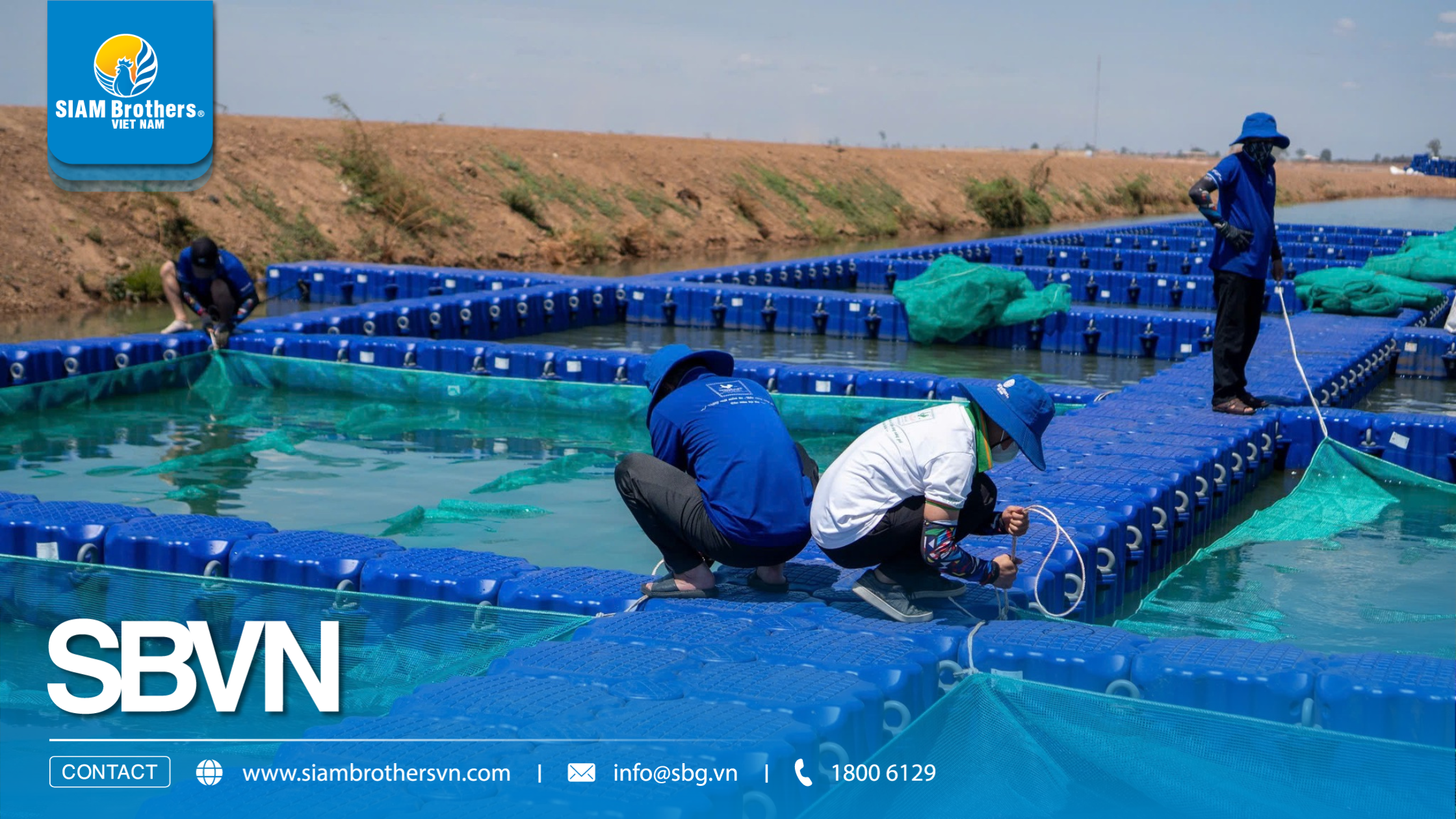
Disease control is a critical component of the carp farming process, especially in intensive cage systems. Preventive measures combined with timely intervention can significantly reduce mortality and economic losses.
4.1. Common causes of disease in carp farming
- Poor water quality and waste accumulation in cages
- Overstocking leading to low dissolved oxygen levels
- Excess feed causing water pollution
- Fouled nets restricting water circulation
4.2. Common diseases in commercial carp farming
4.2.1. Bacterial diseases
- Symptoms: hemorrhages, ulcers on the body
- Fish become lethargic and reduce feeding
- Often caused by polluted water or environmental stress
4.2.2. Parasitic infections
- Fish surface frequently and rub against nets
- Damaged gills leading to breathing difficulties
- Common under high stocking density and poor hygiene
4.2.3. Fungal diseases
- White patches appear on fish body
- Develop rapidly in polluted water or when fish are injured
4.3. Effective disease prevention measures
4.3.1. Water quality management
- Maintain stable pH (6.5–8.5) and dissolved oxygen > 4 mg/L
- Utilize natural water flow to flush out waste
- Avoid feed accumulation in cages
4.3.2. Cage system maintenance
- Clean nets regularly to ensure proper water exchange
- Inspect HDPE floats and cage structures for stability
- Replace nets when damaged or excessively fouled
4.3.3. Feed and nutrition management
- Use high-quality feed appropriate for each growth stage
- Supplement vitamins and minerals to boost immunity
- Adjust feeding rates based on fish health conditions
4.4. Treatment methods for diseased carp
4.4.1. Early detection and isolation
- Monitor fish behavior daily for abnormal signs
- Separate affected cages or areas to prevent disease spread
4.4.2. Environmental treatment
- Replace water or relocate cages to cleaner areas
- Increase oxygen supply by leveraging natural currents
- Clean and disinfect cage and net systems
4.4.3. Technical intervention
- Apply treatment methods following aquaculture guidelines
- Continuously monitor post-treatment results for effectiveness
4.5. Role of HDPE floating systems and nets in disease control
- Maintain stable water conditions and reduce waste accumulation
- Enhance water circulation, minimizing oxygen deficiency risks
- Facilitate easy cleaning and system management
- Reduce external contamination from sediment or polluted water sources
5. Essential Equipment for Cage-Based Carp Farming
To ensure efficiency and long-term stability in the carp farming process, having the right equipment is critical. A well-prepared system not only improves operational performance but also minimizes risks in commercial aquaculture.
5.1. HDPE Floating Cage System
- Keeps the entire cage structure afloat on the water surface
- High load-bearing capacity, stable under waves and currents
- UV-resistant and corrosion-resistant for long-term use in aquatic environments
5.2. Carp Farming Nets
5.2.1. Cage enclosure nets
- Create a controlled farming space and retain fish within the cage
- Mesh size suitable for each growth stage
- Ensure proper water circulation and reduce waste accumulation
5.2.2. Backup and replacement nets
- Used when primary nets are damaged or require cleaning
- Help maintain continuous farming operations without interruption
5.3. Mooring and Tethering System
- High-strength ropes used to secure cage structures
- Abrasion-resistant and capable of withstanding harsh water and weather conditions
- Maintain cage stability and prevent drifting in strong currents
A critical component ensuring safety throughout the carp farming process
5.4. Cage Frame and Connecting Accessories
- Constructed from durable materials such as HDPE or galvanized steel
- Strong structure, easy to install and scale up
- Connectors ensure stable integration between floats, nets, and frame
5.5. Water Quality Monitoring Equipment
- pH meters to control water acidity/alkalinity
- Dissolved oxygen (DO) meters to ensure optimal fish growth
- Tools for measuring water clarity and quality
- Support early detection of risks during farming
5.6. Feeding and Maintenance Equipment
- Feed storage containers and distribution tools
- Feeding trays to control feed quantity and reduce waste
- Tools for monitoring fish health and behavior
- Specialized harvesting nets to minimize fish injury
- Containers or transport tanks to maintain commercial fish quality
- Equipment to reduce stress during harvesting and transport
5.8. Basic Equipment Checklist for Beginners
- HDPE floating cage system
- Carp farming nets and backup nets
- Mooring ropes and high-strength tethering lines
- Cage frame and connection accessories
- Water quality monitoring devices
- Feeding and fish care tools
6. FAQ – Frequently Asked Questions About the Carp Farming Process
To help you better implement the carp farming process, here are common questions based on real-world aquaculture practices.
6.1. How long does it take to harvest carp?
- Typically 4–6 months depending on species and farming conditions
- Market size ranges from 0.8–1.5 kg per fish
- Growth time can be shortened with proper feeding and water management
- Cage systems with HDPE floats support faster growth through natural water circulation
6.2. What is the ideal stocking density for cage-based carp farming?
- Common density: 20–30 fish/m³ depending on fingerling size
- Avoid overstocking to prevent oxygen depletion and disease outbreaks
- Adjust density according to each stage of the carp farming process
- Proper density improves growth performance and reduces feed costs
6.3. What do carp eat to grow quickly?
- Commercial feed with appropriate protein levels for each stage
- Supplement with natural feed such as bran, grains, or agricultural by-products
- Feed at appropriate levels to avoid waste and water pollution
6.4. Is cage-based carp farming a good option?
- Suitable for rivers, lakes, and areas with stable water sources
- Utilizes natural water flow, reducing water treatment costs
- When properly applied, the carp farming process yields higher economic efficiency than pond farming
6.5. How can carp diseases be minimized?
- Maintain stable water quality, controlling pH and dissolved oxygen
- Clean nets regularly to ensure proper water circulation
- Use high-quality HDPE floating systems and durable nets to reduce risks
6.6. Is the investment cost for cage-based carp farming high?
- Depends on scale and materials used (floats, nets, ropes)
- Initial costs may be higher than pond farming but require less maintenance
- Long system lifespan helps optimize long-term costs
- Suitable for both small-scale farmers and large enterprises
The carp farming process for commercial production achieves optimal results when implemented systematically—from system design and fingerling selection to feeding management and disease control.
Integrating HDPE floating systems and net cages not only improves water quality management but also increases survival rates, reduces operational costs, and enhances sustainable productivity.
If you are looking for an efficient carp farming solution suitable for both small-scale and industrial operations, this model is a strategic choice. Investing in the right system from the beginning will help you save costs in the long run and scale production effectively.
Contact SIAM Brothers Vietnam today for expert consultation on HDPE floating cages, mooring systems, and aquaculture equipment tailored to your needs.
Source: SIAM Brothers Vietnam
Contact us:
► Address: 5th floor, VRG Building, 177 Hai Ba Trung Street., Xuan Hoa Ward, Ho Chi Minh City, Vietnam
► Hotline: 1800 6129
► Tel: (+84) 28 38 912 889
► Email: info@sbg.vn
► Follow us for more details at: Facebook - Zalo OA - Tiktok - Youtube - LinkedIn
Download SBVN ID app here:
► CHPlay
► Appstore