
- 1800 6129

Banana is one of the most important fruit crops in Vietnam, accounting for a significant portion of the total fruit cultivation area and production volume. However, the risk of trees toppling due to strong winds and heavy fruit bunches remains a major challenge for farmers.
Exploring techniques to prevent banana trees from falling in high-tech banana farms not only protects the plants but also enhances cultivation efficiency and reduces economic losses.
With its tropical climate, Vietnam has a strong advantage in growing bananas year-round, but it requires professional anti-toppling techniques to maintain a stable supply for export.
In this article, we will explore practical methods currently applied in large-scale plantations along with advanced tying rope solutions.
Applying the right techniques will deliver higher productivity and long-term economic value for banana growers.
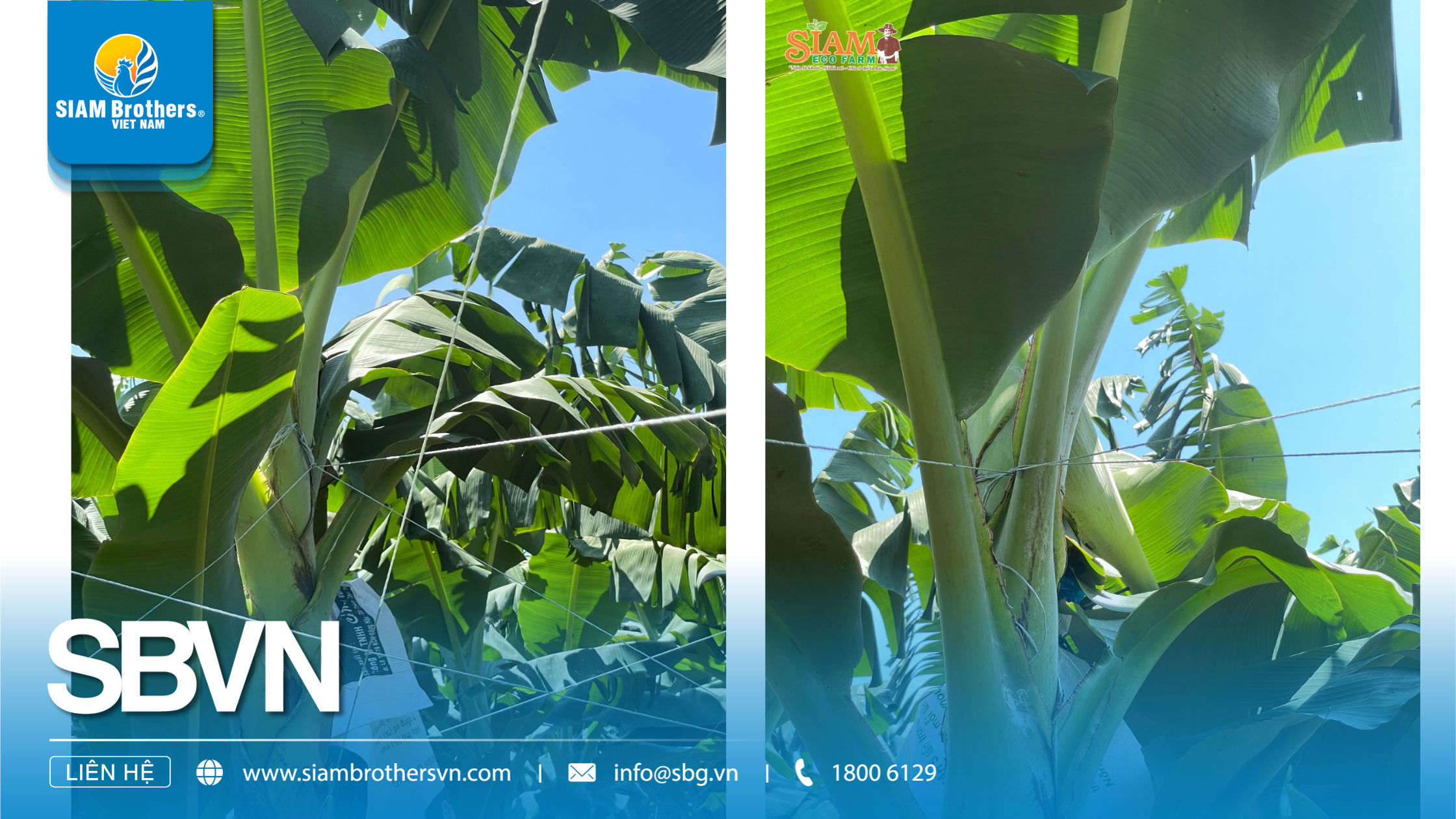
Banana Twine from SIAM Eco Farm - Source: SIAM Brothers Vietnam
Exploring techniques to prevent banana trees from falling in high-tech banana farms is currently a topic of great interest as bananas have become an important export commodity for Vietnam. According to statistics, bananas account for approximately 19% of the total fruit tree cultivation area nationwide. Production is estimated at nearly 2 million tons in 2023. In the first half of the year, fruit and vegetable exports generated nearly 3.5 billion USD in revenue, with bananas ranking among the top 10 largest export items. It is projected that banana export value could reach approximately 300 million USD in 2024.
Vietnam possesses superior advantages in climate and weather, allowing bananas to be grown year-round and positioning the country as a major global banana supplier. Although it is the third-largest fruit export commodity, the economic value from bananas has not yet met expectations due to limitations in cultivation techniques, especially the issue of tree toppling.
Toppling not only reduces yield but also affects fruit quality, increases pest and disease risks, and lowers export value. Therefore, exploring techniques to prevent banana trees from falling in high-tech banana farms has become a key solution to help farmers improve production efficiency.
Banana plants have soft pseudostems that are easily toppled by wind when fruit bunches become large and heavy. A single toppling incident can damage the entire bunch, causing significant economic losses. In high-tech farms, applying proper anti-toppling techniques helps maintain straight plant posture, ensures good photosynthesis, and promotes even development.
Furthermore, effective anti-toppling methods help reduce labor costs, limit the use of pesticides, and enhance competitiveness in the international market.
Exploring techniques to prevent banana trees from falling in high-tech banana farms cannot be complete without sharing practical methods. Large plantations in Binh Phuoc are successfully applying professional rope tying systems to protect their crops effectively.
To tie ropes correctly, farmers should follow these key steps:
Choose the appropriate tying position, usually at 1/3 to 1/2 of the plant height to create a strong support point.
Use specialized tying rope and secure it in an X or V shape to distribute force evenly.
Tension the rope moderately — not too tight to avoid damaging the stem, and not too loose to maintain effectiveness.
Combine multiple tying points across each row to create a strong interconnected support system.
Real-life videos from large-scale banana farms in Binh Phuoc demonstrate that this technique allows trees to withstand the “massive” weight of heavy banana bunches while continuing to grow normally.
One common mistake is using low-quality mixed nylon ropes. These ropes quickly become brittle, rotten, and break under sun and rain exposure, leading to sudden tree collapse and heavy losses. Therefore, farmers should prioritize specialized banana tying ropes with superior load-bearing capacity and excellent weather resistance.
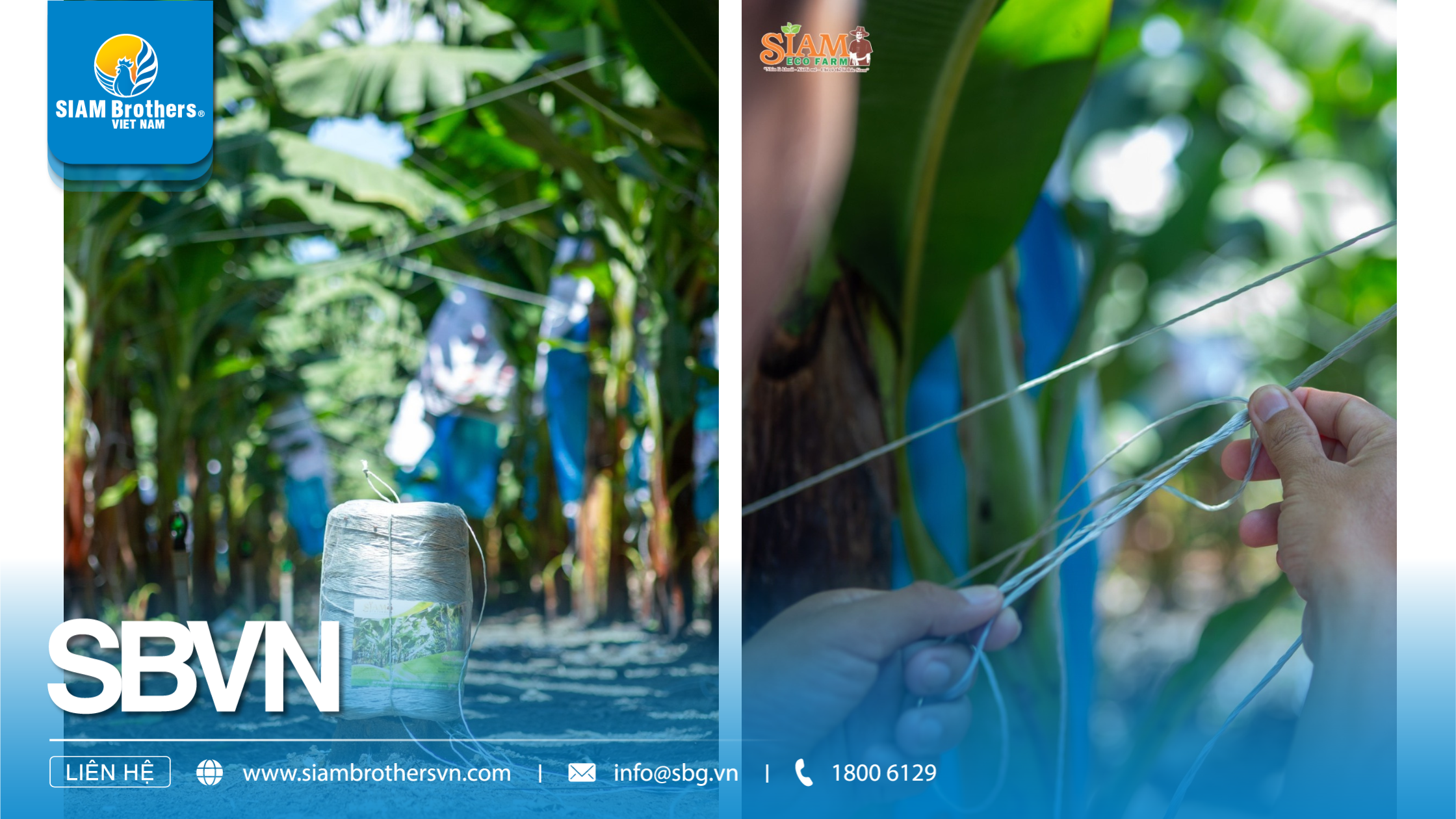
Banana Twine from SIAM Eco Farm - Source: SIAM Brothers Vietnam
When exploring techniques to prevent banana trees from falling in high-tech banana farms, one cannot overlook the Eco Farm banana tying rope from Siam Brothers Vietnam. This product is trusted by modern plantations thanks to its many outstanding advantages.
100% virgin material, environmentally friendly and safe for plants.
Lightweight yet extremely strong with high breaking tensile strength.
High durability and reusable for multiple seasons.
Easy to knot and untie, saving labor time.
Excellent resistance to sun, rain, rot, and degradation due to low water absorption.
Minimizes mold, mildew, and harmful chemical risks.
Soft surface that does not damage the stem or cause leaf scorching.
Thanks to these features, Eco Farm banana tying rope improves cultivation efficiency, saves long-term costs, and meets high-tech agricultural standards for export-oriented production.
Regular nylon ropes usually degrade within 3-6 months, while Eco Farm rope lasts many times longer. Using quality rope not only keeps banana trees upright but also reduces the risk of disease from stem injuries.
Exploring techniques to prevent banana trees from falling in high-tech banana farms requires a combination of synchronized solutions.
Selecting wind-resistant banana varieties combined with water-saving irrigation systems helps plants grow stronger and naturally increase resistance to adverse weather.
Applying modern machinery for soil preparation, fertilization, and removal of old leaves helps reduce unnecessary load on the plants. Regular inspection of the tying system is also essential for timely detection and repair.
Modern farms use weather sensors and management software to forecast conditions and prepare anti-toppling measures promptly. When combined with Eco Farm tying rope, this creates a comprehensive protection system.
Applying exploring techniques to prevent banana trees from falling in high-tech banana farms brings many practical benefits:
Reduces yield losses by up to 20-30%.
Improves fruit quality to meet export standards for markets like China, South Korea, and the United States.
Saves costs on rope replacement and repair labor.
Extends plantation lifespan and boosts long-term productivity.
Contributes to the national target of reaching 300 million USD in banana exports in 2024.
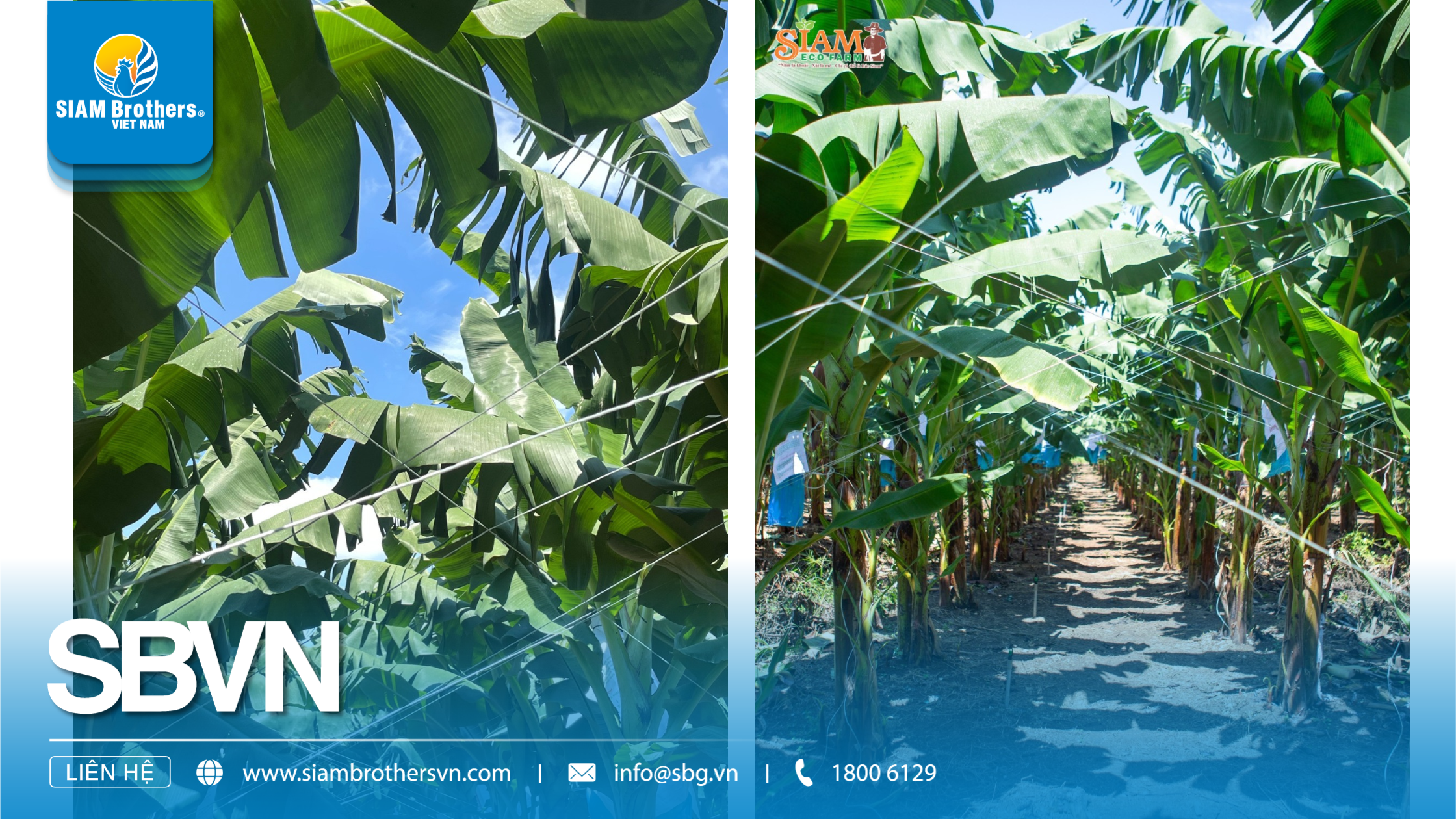
Banana Twine from SIAM Eco Farm - Source: SIAM Brothers Vietnam
Many farms in Binh Phuoc and the Central Highlands have successfully adopted the Eco Farm rope model. They report a sharp reduction in toppling rates, stable yield increases, and significantly lower pest control costs.
With its favorable climate, Vietnam has the potential to become a global banana export powerhouse. Applying high-tech anti-toppling techniques together with green solutions like Eco Farm rope will help elevate Vietnam’s banana industry on the world map.
Source: SIAM Brothers Vietnam
1. Is exploring techniques to prevent banana trees from falling in high-tech banana farms difficult?
It is not difficult if farmers follow the correct methods and use specialized ropes. Large plantations have widely applied these techniques with excellent results.
2. How many times can Eco Farm banana tying rope be reused?
Thanks to its premium material, the rope can be reused across multiple seasons, delivering significant cost savings.
3. Should conventional nylon rope be used to prevent banana trees from falling?
It is not recommended because it breaks easily and causes major losses. Specialized ropes like Eco Farm are the better choice.
4. Where can I buy quality banana tying rope?
Farmers can contact the Siam Brothers Vietnam Fanpage for the fastest consultation and support.
5. Does anti-toppling technique affect banana fruit quality?
On the contrary, proper techniques help fruits develop evenly, look more attractive, and meet higher export standards.
Exploring techniques to prevent banana trees from falling in high-tech banana farms is not just a technical solution — it is the key to sustainable development for Vietnam’s banana industry. Farmers should apply these methods today to improve cultivation efficiency and increase stable income.
Contact us:
Address: 5th floor, VRG Building, 177 Hai Ba Trung Street, Vo Thi Sau Ward, Ho Chi Minh City, Vietnam
Tel: (+84) 28 38 912 889
Hotline: 1800 6129
Facebook: www.facebook.com/siambrothersvn
Email: info@sbg.vn
YouTube: youtube.com/@siambrothersvietnam1728
OA Zalo: zalo.me/1402339229697925373
App SBVN ID:
CHPlay: https://bit.ly/SBVNID-Android
Appstore: https://bit.ly/SBVNID-iOS








Specializing in Agricultural and Fisheries Products & Multipurpose Wire