
- 1800 6129

Genuine rope gives users a reliable basis for checking product origin, specifications, and suitability. However, a clearly identified product is not automatically safe for every task. Vessel mooring, cargo securing, fishing operations, and rescue work have different requirements for material, construction, diameter, breaking strength, and operating method. To reduce avoidable risks from the selection stage onward, SIAM Brothers Vietnam explains the essential factors users should review before putting a rope into service.
Rope transfers force and maintains critical connections in many working systems. If it breaks, slips, or can no longer support the applied load, the situation may become dangerous within seconds. Some buyers focus only on appearance, size, or price while overlooking origin, material, construction, and technical data.
Selecting genuine rope is an important first step, but correct specifications and safe operating practices remain equally necessary.
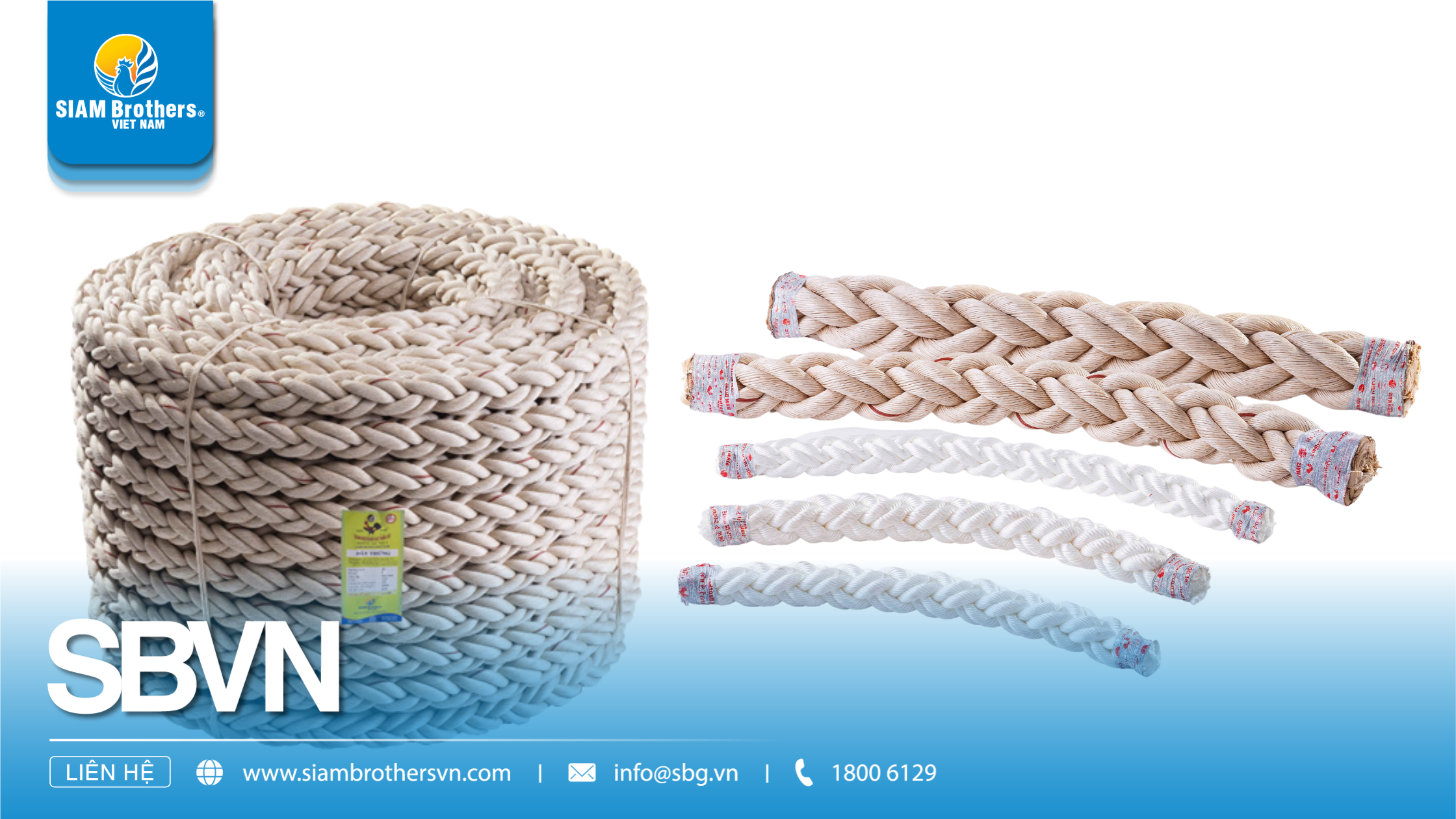
Source: SIAM Brothers Vietnam
A rope without clear identification or technical documentation makes it difficult to confirm its diameter, material, construction, and breaking strength. Two ropes that look similar may perform very differently. Variations in raw materials, strand arrangement, twist, and manufacturing consistency can directly affect strength and behavior under load.
Without reliable information, users may select a product based on feel or experience with another rope. This approach is particularly risky where loads change, shock loading may occur, or failure could harm people, equipment, or cargo.
Genuine rope improves traceability, but users must still verify the exact product specifications before use.
A larger diameter does not automatically make a rope more suitable. A rope that is too small may not meet the required load conditions, while one that is too large may be difficult to handle or incompatible with winches, pulleys, bollards, fairleads, and other fittings.
Material also affects buoyancy, elongation, abrasion resistance, water absorption, and performance in different environments. Twisted, braided, and other specialized constructions behave differently in service.
Therefore, one product should not replace another simply because both have the same nominal diameter. Genuine rope provides the greatest value when its material and construction match the equipment, load, and working environment.
Breaking strength describes the force at which a rope specimen fails under defined test conditions. It is not the load that users may continuously apply during actual operations.
An appropriate working load must account for the required safety factor, dynamic loading, rope condition, age, knots or splices, bending, load angle, and the manufacturer’s instructions.
Even with genuine rope, treating breaking strength as the permitted working load can remove the safety margin. Knots, sharp bends, abrasive surfaces, chemicals, and unsuitable fittings may further reduce system strength.
Users should seek technical guidance instead of choosing a rope solely because it has a high breaking-strength figure.
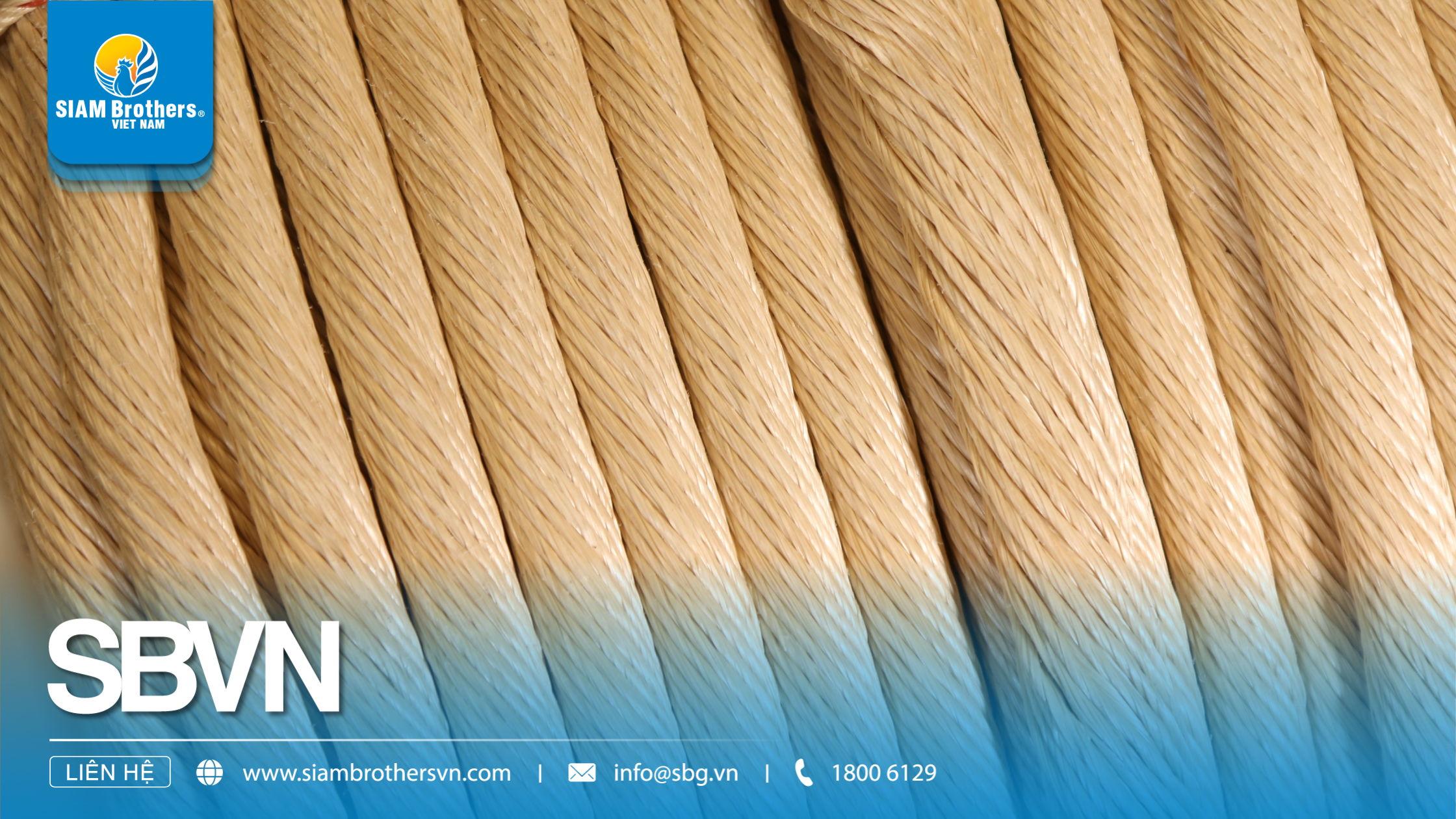
Source: SIAM Brothers Vietnam
Damaged rope may show frayed yarns, flattened sections, hardening, discoloration, unusual elongation, or localized abrasion. If it remains under load, it may fail unexpectedly.
The loss is not limited to the rope itself. Cargo may shift, fishing gear may be damaged, a vessel may become unstable at its berth, or workers may be exposed to a hazardous line of force.
Stored energy is another concern. When a tensioned line fails, the released energy may cause the rope to recoil. Operators should not stand inside loops, directly in the line of pull, or in any likely recoil area.
Using genuine rope must therefore be combined with correct handling, inspection, and safe positioning.
An unverified product may cost less initially, but a short service life can increase material and labor expenses. Failure may also delay a vessel, interrupt work, damage equipment, reduce output, or create additional repair costs.
The economic decision should therefore be based on total service-life cost rather than purchase price alone. Replacement frequency, inspection time, downtime, and the possible consequences of failure should all be considered.
No single rope is suitable for every application. Before purchasing genuine rope, users should describe the task, expected load, operating environment, and connected equipment. The product information can then be evaluated against those actual requirements.
Genuine rope should carry a verifiable brand and identify a manufacturer or authorized supplier. Clear contact information allows buyers to ask about specifications, intended use, storage, maintenance, and operating limitations.
It also provides a point of contact when product verification or technical support is required.
Users should be cautious when a product is promoted only with broad terms such as “super strong” or “high load capacity” but no defined specifications or supporting information. Sales claims cannot replace technical data relevant to the intended application.
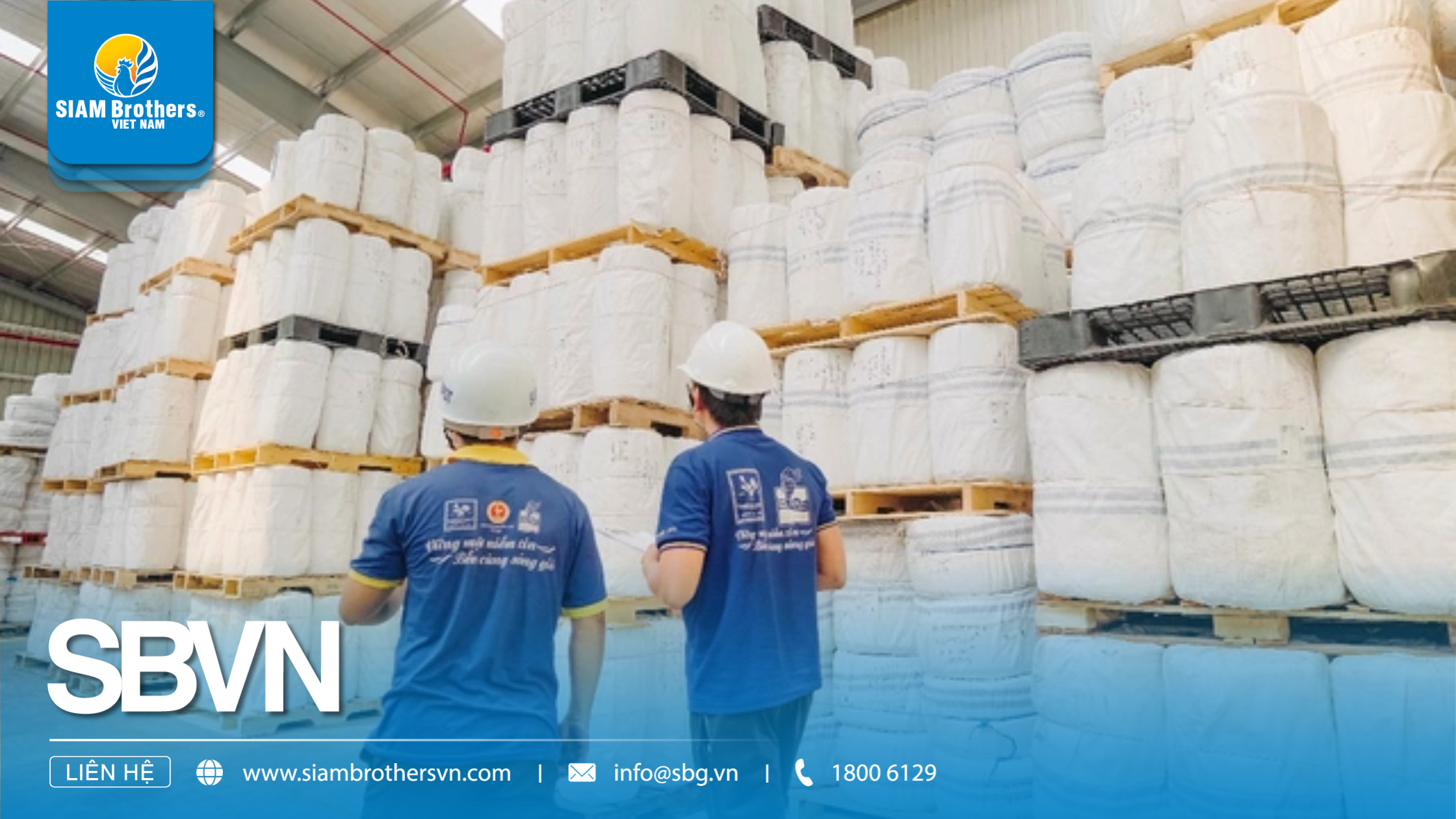
Source: SIAM Brothers Vietnam
Packaging should consistently display the brand, product name, specifications, and other identification details published by the supplier. Buyers should check whether the printing is clear, labels appear altered or overlaid, and the delivered coil matches the ordered length and specifications.
Attractive packaging alone does not prove authenticity. However, spelling errors, inconsistent information, and details that cannot be verified through official channels should trigger further checks.
When purchasing genuine rope from SIAM Brothers Vietnam, users should compare the product with information from the company’s website, official contact channels, or confirmed distributors.
Diameter affects strength, weight, flexibility, handling, and compatibility with equipment. Users should select it according to actual requirements rather than increasing or reducing it without technical justification.
If the rope runs through a pulley, winch, or fitting, its diameter must also fall within the equipment’s suitable range.
The full coil should be examined for reasonably consistent diameter, stable strand formation, fraying, loose areas, deformation, or unexpected joins. Visual inspection is useful for initial screening, but it cannot replace technical documentation or advice from the supplier.
Buyers should request breaking-strength information for the exact rope size and product being considered. Data from another diameter or product line should not be used as a substitute.
The recommended working load must then be determined according to the manufacturer’s guidance and actual operating conditions.
Lifting and load-handling systems may have separate requirements for safe working load, inspection, and removal from service. The U.S. Occupational Safety and Health Administration provides guidance on the safe use of natural and synthetic fiber rope slings, including product identification, damage inspection, and the need to follow manufacturer information.
This is a useful safety reference, but it does not replace Vietnamese requirements or instructions for a specific product.
Before choosing genuine rope, users should answer several practical questions:
Will the rope be used for mooring, securing, pulling, connecting, or rescue work?
Is the load static, variable, or subject to shock?
Will the rope contact seawater, sunlight, chemicals, mud, sand, or sharp edges?
Will it pass through a winch, pulley, fairlead, or other fitting?
Could failure endanger people, property, a vessel, or valuable equipment?
These answers help the supplier identify a suitable product group. If the operating information is incomplete, users should not assume that a rope performing well in fishing operations will also be appropriate for vessel mooring, cargo securing, or rescue work.
Each application has its own loading pattern and level of risk. Correct classification helps prevent a common mistake: purchasing an authentic, traceable product but using it for a task it was not designed to perform.
Mooring lines operate under forces that change with wind, waves, current, water level, and vessel movement. Users should provide information about the vessel type and size, river or sea conditions, connection points, equipment, and expected loading before selecting a line.
Sections that regularly contact bollards, fairleads, or abrasive surfaces require close inspection. A line may suffer severe localized wear even when the rest of it appears serviceable. Protective measures may be needed at high-friction contact points.
Personnel should remain clear of the line of pull and potential recoil zones whenever a rope is under tension. Genuine rope cannot eliminate the danger created by incorrect layout, excessive wear, poor handling, or loading beyond the permitted limit.
Cargo differs in weight, shape, center of gravity, and sensitivity to movement. Rope selection must be considered together with the securing plan, number of restraint points, tie-down angles, vehicle movement, and transport conditions.
Sharp edges may abrade or cut a line. Moving cargo may also generate shock loads greater than the original static force. Suitable protection should therefore be used at contact points, and tension should be rechecked during transport when procedures and conditions allow.
Ordinary securing rope must not replace a lifting sling or personal fall-protection system. When lifting is involved, users need equipment specifically intended for that purpose, with an identified working load and an appropriate inspection process.
In fishing, rope may be used as net lines, gear connections, deck-handling lines, or for other specialized functions. Each position may require different buoyancy, elongation, abrasion resistance, and tensile performance.
A single specification should not be applied throughout the system without evaluating each task. For example, a line selected for fishing gear is not automatically suitable for mooring a vessel.
Users can learn more about defining requirements in marine environments through SIAM Brothers Vietnam’s guide to selecting suitable and safe fishing rope.
When contacting SIAM Brothers Vietnam, users should provide the gear type, fishing method, preferred diameter, expected load, and operating environment. This information supports a more appropriate product recommendation.
Rescue work has demanding safety requirements. General-purpose rope, cargo-securing rope, and fishing rope should not replace specialized rescue rope or life-safety equipment.
The complete system must suit the intended task, load, fittings, operating procedure, and competence of the rescue team.
Even genuine rope does not automatically qualify as rescue equipment. Buyers must confirm that the product is designed or approved for the intended application.
If its label and documentation do not identify rescue or life-safety use, users should stop and consult the manufacturer or a qualified specialist.
Authenticity should not be judged by color, surface gloss, softness, or stiffness alone. A reliable check combines the physical product, packaging, technical information, and distribution channel.
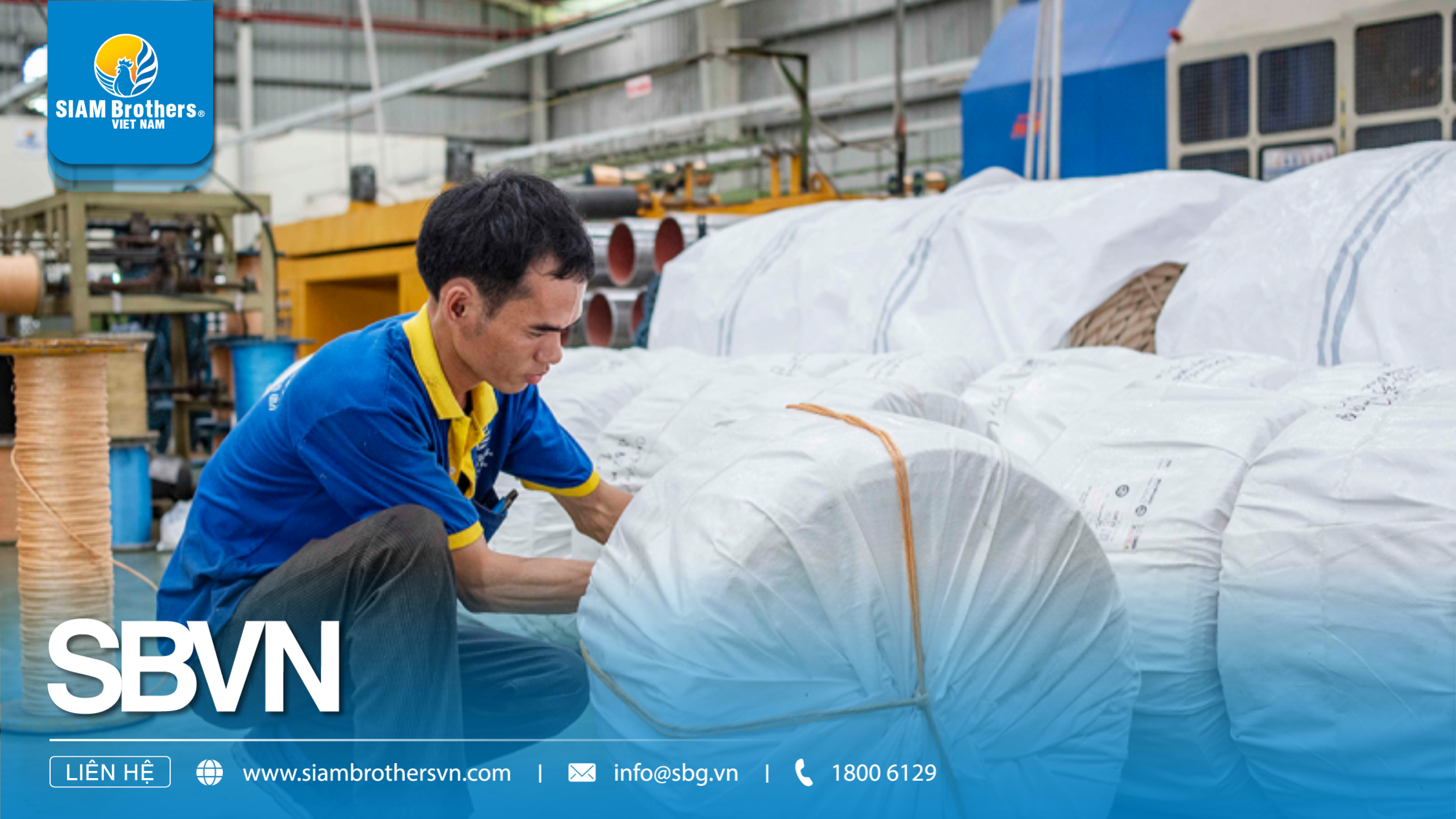
Source: SIAM Brothers Vietnam
Before purchasing, users should compare the brand name, packaging, product name, specifications, and contact details with information published on the company’s official website or communication channels.
If a seller provides conflicting information, the discrepancy should be explained and verified before payment.
Genuine rope normally allows the buyer to identify the organization responsible for the product. Packaging and label designs may change over time or differ between specifications, however, so one visual detail alone should not be used to declare a product counterfeit.
Users should examine the packaging condition, labels, markings, and consistency between the external information and the rope inside.
Diameter and construction should be reasonably uniform, with no suspicious signs of substitution, cutting, joining, or repacking.
If a label is unclear, information is missing, the rope differs from official product images, or the delivered specifications do not match the order, use should be suspended until the supplier confirms the product. Early verification is usually less costly than managing a failure after installation.
A reliable seller should be able to explain the intended applications, available specifications, and information required from the buyer.
For load-bearing work, users should ask about:
Rope diameter
Material and construction
Breaking strength
Recommended working load
Suitable operating environments
Relevant limitations and safety precautions
No single figure should be used to judge total product quality. Genuine rope must be evaluated as part of a system that includes fittings, attachment points, terminations, load direction, and operating environment.
Users should buy directly from the brand or from a supplier whose status can be confirmed. Invoices, sales records, and product batch information should be retained when traceability is important.
Caution is appropriate when a seller relies on copied images, provides no verifiable business information, or offers an unusually low price without explaining the product’s origin.
Customers interested in SIAM Brothers Vietnam products can use the company’s official channels to verify distributors and request application-based advice.
The value of genuine rope extends beyond the brand name printed on the packaging. Its practical value comes from traceability, accessible specifications, and the ability to select a product for the correct purpose.
When the rope matches the application, users can also establish a more reliable inspection and replacement process.
Actual cost includes the purchase price, installation labor, inspection time, replacement frequency, downtime, and potential losses caused by failure. A low-priced product that deteriorates quickly may cost more over its complete service life.
Choosing genuine rope does not mean selecting the largest diameter or the highest breaking strength available. An efficient choice is the specification that meets the task requirements without unnecessary cost, weight, or handling difficulty.
Before operation, users should inspect labels, the rope surface, knots or splices, and all contact points. During use, they should monitor tension, load movement, and areas exposed to friction.
After use, the rope should be cleaned and stored according to the applicable instructions.
Any rope showing damage or abnormal behavior should be clearly marked or separated to prevent accidental reuse. It should not return to service until its condition has been properly assessed.
Inspection frequency must reflect the working load, operating environment, and frequency of use. Genuine rope remains a wear item and must be retired at the appropriate time.
For a useful recommendation, users should prepare the intended application, expected load, connected equipment, required diameter, exposure conditions, operating frequency, and consequences of system failure.
Photographs of the installation area may also help the supplier understand actual conditions.
SIAM Brothers Vietnam offers rope groups for different applications. Providing complete information from the beginning helps buyers choose genuine rope for the correct task and avoid using a product beyond its intended function.
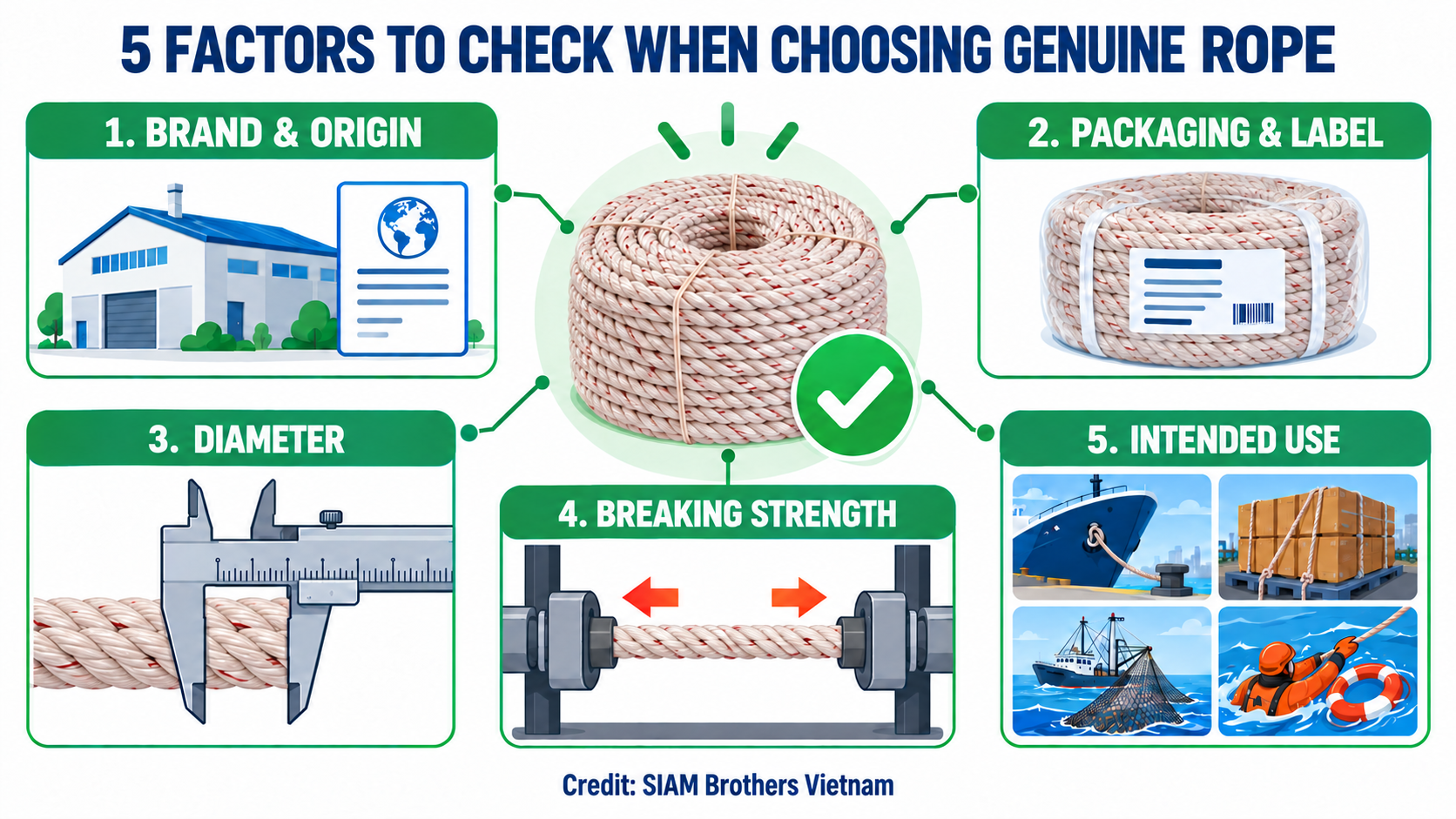
Infographic 5 factors to check when choosing a rope - Source: SIAM Brothers Vietnam
Genuine rope gives users a reliable basis for verifying product origin and technical information, but safety improves only when the rope also matches the application, load, equipment, and operating environment.
Brand, packaging, diameter, and breaking strength should all be checked before purchase. Breaking strength must not be treated as the permitted working load.
Whether the rope is intended for vessel mooring, cargo securing, fishing, or rescue, users need the correct product category and an appropriate operating procedure. Combining suitable equipment with routine inspection and safe handling can reduce incidents, limit downtime, and control long-term replacement costs.
Read more: Be careful with non-genuine rope on the market: How can you identify an authentic product?
Source: SIAM Brothers Vietnam
FAQ - Frequently Asked Questions
Q: Can genuine rope be used for every application?
A: No. Genuine rope must still be selected according to its intended function, material, construction, diameter, working load, and operating environment. Cargo-securing rope or fishing rope should not replace specialized lifting, fall-protection, or rescue equipment.
Q: How can buyers identify genuine rope?
A: Buyers should compare the brand, packaging, labels, specifications, and technical information with official channels and purchase through a verifiable distributor. Visual appearance is only an initial check and cannot confirm origin or load-bearing performance by itself.
Q: Why should breaking strength not be used as the working load?
A: Breaking strength is the force at which a test specimen fails under defined conditions. A working load requires a safety margin and must also account for dynamic forces, wear, knots or splices, fittings, the environment, and manufacturer guidance.
Contact us:
Address: 5th floor, VRG Building, 177 Hai Ba Trung Street, Vo Thi Sau Ward, Ho Chi Minh City, Vietnam
Tel: (+84) 28 38 912 889
Hotline: 1800 6129
Facebook: www.facebook.com/siambrothersvn
Email: info@sbg.vn
YouTube: youtube.com/@siambrothersvietnam1728
OA Zalo: zalo.me/1402339229697925373
App SBVN ID:
CHPlay: https://bit.ly/SBVNID-Android
Appstore: https://bit.ly/SBVNID-iOS








Specializing in Agricultural and Fisheries Products & Multipurpose Wire