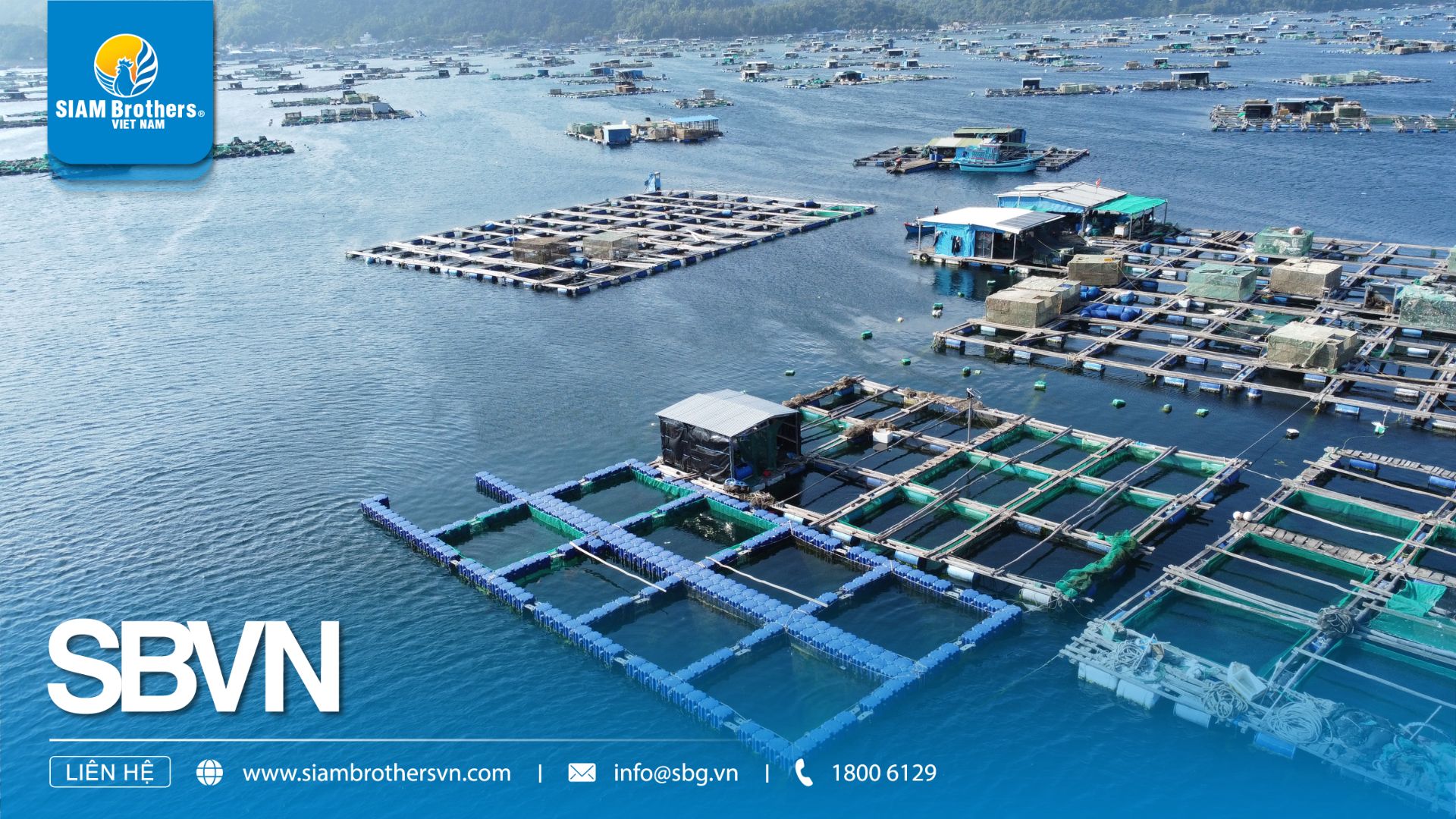
- 1800 6129

HDPE floats and foam floats are currently among the most widely used buoyancy solutions in aquaculture, floating structures, eco-tourism developments, and coastal infrastructure projects. However, as concerns over marine pollution continue to grow and sustainability becomes a priority, many local authorities and businesses are gradually transitioning from traditional foam floats to HDPE floats. So, what are the key differences between these two buoyancy materials? Which option delivers better long-term investment value? Let’s explore the answer with SIAM Brothers Vietnam in this article.
HDPE floats are manufactured from High-Density Polyethylene (HDPE), a thermoplastic polymer known for its excellent resistance to corrosion, impact, and harsh outdoor conditions.
Thanks to these advantages, HDPE floats are increasingly used in:
Industrial aquaculture systems
Offshore fish farming cages
Floating docks and pontoons
Eco-tourism facilities
Marine and maritime infrastructure
High-quality HDPE floats are often enhanced with UV stabilizers to extend their lifespan when exposed continuously to sunlight and seawater.
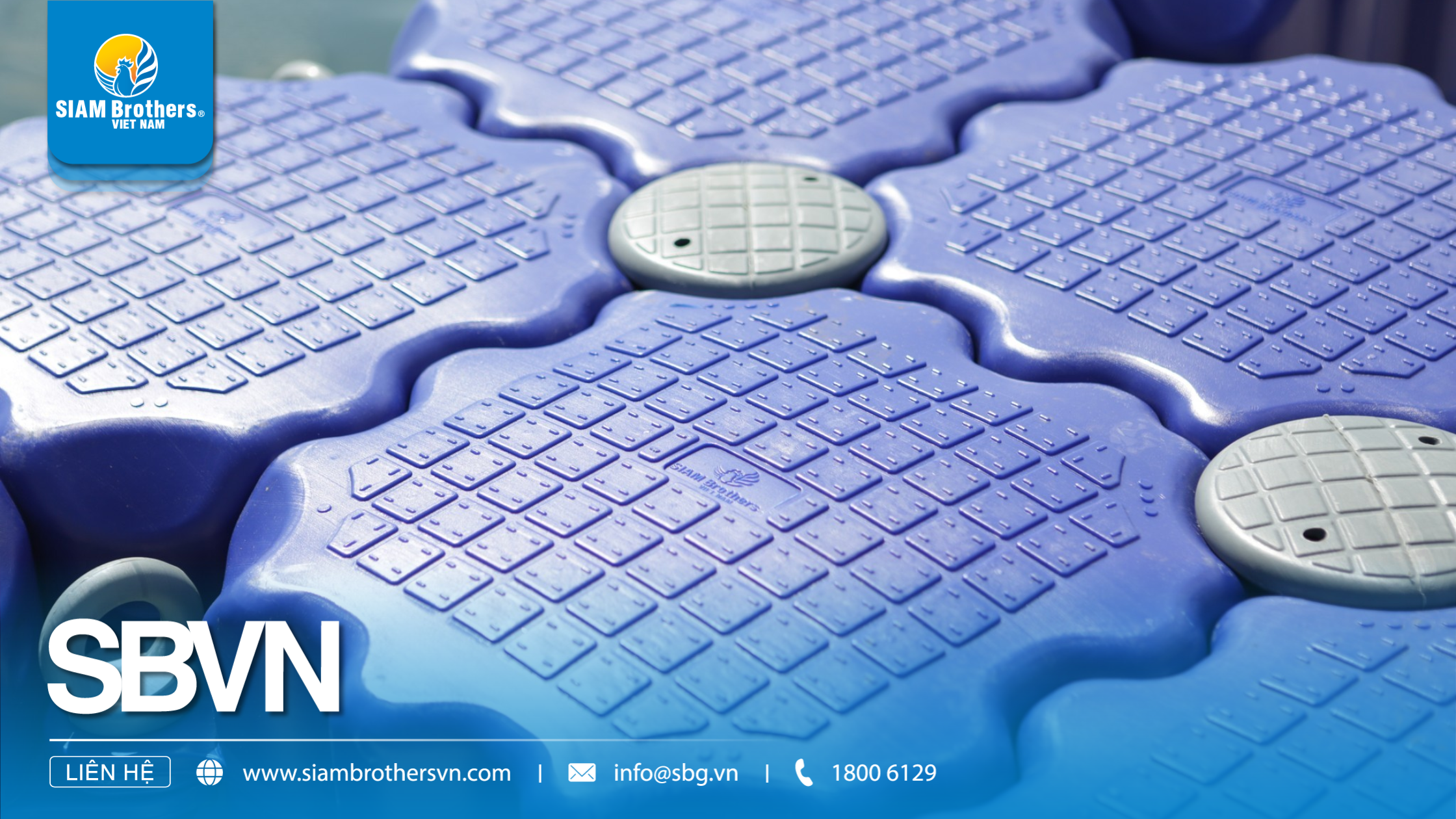
HDPE floats - Source: SIAM Brothers Vietnam
Foam floats are commonly made from Expanded Polystyrene (EPS), a lightweight material composed of millions of tiny air-filled beads bonded together.
The primary advantages of EPS foam floats include:
Lightweight construction
Low initial cost
Easy manufacturing process
However, due to their bead-based structure, foam floats tend to degrade, crack, and fragment over time when exposed to sunlight, seawater, waves, and mechanical impacts.
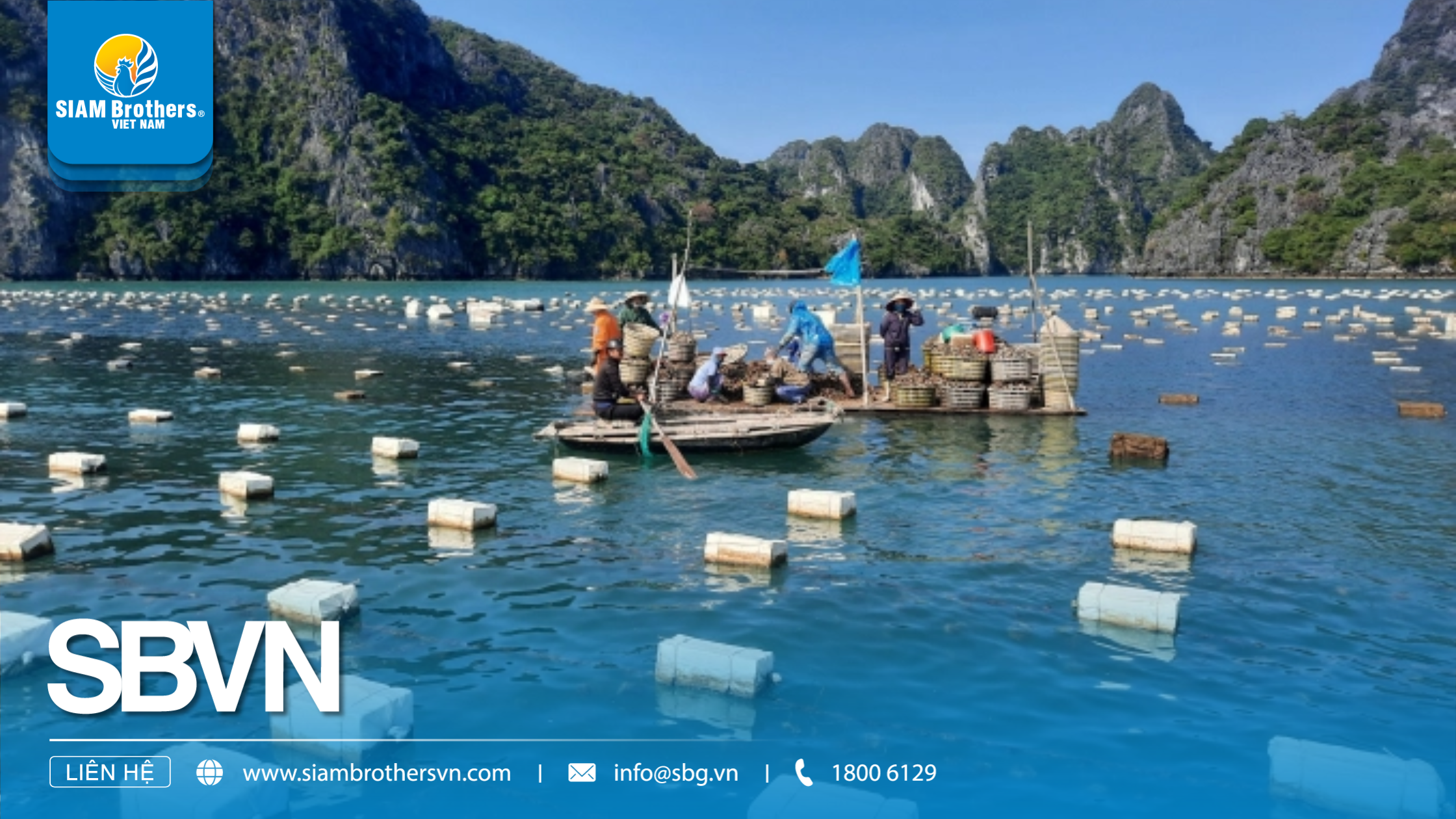
Foam floats - Source: SIAM Brothers Vietnam
|
Criteria |
HDPE Floats |
Foam Floats (EPS) |
|
Material |
High-density polyethylene |
Expanded polystyrene |
|
Service Life |
More than 10 years |
Shorter lifespan, prone to deterioration |
|
UV Resistance |
Excellent |
Limited |
|
Impact Resistance |
High |
Low |
|
Water Resistance |
Excellent |
Decreases over time |
|
Risk of Fragmentation |
Low |
High |
|
Initial Investment Cost |
Higher |
Lower |
|
Lifecycle Cost |
Lower |
Higher |
|
Environmental Impact |
More sustainable |
More likely to generate plastic waste |
|
Industry Trend |
Industrial aquaculture |
Traditional small-scale farming |
Marine environments are among the harshest operating conditions for floating materials due to constant exposure to:
UV radiation
Saltwater
Waves and currents
Mechanical impacts
Marine organism attachment
Under these conditions, HDPE demonstrates superior performance thanks to its excellent chemical resistance and low water absorption.
In contrast, EPS tends to become brittle after prolonged UV exposure. Numerous studies on plastic weathering in marine environments have shown that EPS is prone to surface cracking and fragmentation under the combined effects of sunlight, wind, and wave action.
Impact resistance is a critical factor for fish cage systems and floating structures.
HDPE floats feature a solid, durable structure with excellent flexibility, enabling them to absorb impact energy more effectively during:
Vessel collisions
Strong wave conditions
Aquaculture equipment operations
Foam floats, on the other hand, are more susceptible to deformation, cracking, and breakage when subjected to heavy impacts.
One of the most important factors affecting buoyancy performance is the ability to maintain stable volume and weight over time.
HDPE floats absorb virtually no water due to their solid polymer structure.
For foam floats, once the outer protective layer becomes damaged, water can penetrate into the internal cavities, gradually reducing buoyancy efficiency.
In recent years, microplastic pollution has become one of the most pressing environmental concerns worldwide.
Research indicates that EPS is a significant source of microplastic contamination because it can easily fragment under the influence of:
UV radiation
Ocean waves
Wind
Mechanical stress
As foam breaks down, small plastic particles can disperse throughout marine ecosystems and negatively impact aquatic life.
No plastic material is entirely free of environmental impact.
However, compared with EPS, HDPE offers significantly greater mechanical durability, which reduces fragmentation and minimizes debris generation during use.
In addition, HDPE is more recyclable, helping reduce waste generation at the end of a product’s service life.
When considering purchase price alone, foam floats are generally less expensive than HDPE floats. This is one reason they have been widely adopted in small-scale aquaculture operations and short-term projects.
However, initial purchase cost is only one component of the overall economic picture. In practice, businesses must also account for:
Maintenance costs
Replacement costs
Repair labor expenses
End-of-life waste management
Production disruptions caused by float failures
When all these factors are considered, the economic comparison often changes significantly.
The concept of Life Cycle Cost (LCC) is increasingly used in infrastructure and industrial aquaculture projects.
Although HDPE floats require a higher upfront investment, they often provide greater long-term value through:
Extended service life
Reduced replacement frequency
Lower maintenance costs
Better resistance to severe weather conditions
For projects with operating periods exceeding ten years, durable floating solutions typically deliver lower total ownership costs than cheaper alternatives.
In modern marine aquaculture, floating systems do more than support fish cages—they directly affect:
Structural stability
Operational safety
Production efficiency
Maintenance expenses
A highly durable floating system reduces the risk of damage during storms, minimizes stock losses, and lowers repair costs.
This is one of the main reasons why large-scale aquaculture operators increasingly prefer HDPE floats over traditional buoyancy materials.
HDPE floats - Source: SIAM Brothers Vietnam
In recent years, many coastal provinces have introduced initiatives aimed at reducing plastic waste and controlling environmentally harmful floating materials.
Major aquaculture regions such as:
Quang Ninh
Hai Phong
Khanh Hoa
Phu Yen
Kien Giang
They are actively encouraging the adoption of more durable and environmentally responsible floating solutions.
This trend aligns with Vietnam’s broader strategy for sustainable marine economic development and coastal ecosystem conservation.
Modern aquaculture is shifting from small-scale operations toward industrial-scale production, requiring higher standards in:
Structural safety
Weather resistance
Equipment lifespan
Operational efficiency
Under these conditions, traditional floating materials such as foam floats are increasingly showing their limitations.
HDPE floats, by contrast, are better suited to the technical requirements of modern aquaculture systems, particularly in offshore environments and areas exposed to strong waves.
As a company with extensive experience in providing solutions for the aquaculture and maritime industries, SIAM Brothers Vietnam continuously develops products that meet the evolving demands of the market.
Its HDPE float solutions are designed to:
Ensure stable buoyancy performance
Withstand harsh marine environments
Resist impact damage
Extend service life
Support sustainable aquaculture development
In addition to supplying high-quality products, SIAM Brothers Vietnam offers professional consulting services to help customers select the most suitable solutions for their specific applications, including aquaculture systems, floating structures, and coastal infrastructure projects.
Choosing the right float solution not only improves investment efficiency but also enhances the safety and sustainability of the entire project.
Both HDPE floats and foam floats offer distinct advantages and may be suitable for different applications.
If minimizing initial investment is the primary objective, foam floats may still be an option for certain short-term projects. However, when evaluated in terms of durability, marine resistance, lifecycle cost, and environmental impact, HDPE floats demonstrate clear long-term advantages.
As the aquaculture and coastal infrastructure sectors continue to prioritize sustainability, transitioning to longer-lasting and more environmentally responsible floating materials is becoming an inevitable trend.
If your business is looking for high-quality HDPE float solutions for aquaculture or floating infrastructure projects, contact SIAM Brothers Vietnam for expert consultation and tailored recommendations.
Read More: Where to Buy High-Quality HDPE Floats in Ba Ria – Vung Tau?
Source: SIAM Brothers Vietnam
Depending on product quality and operating conditions, HDPE floats can achieve a service life of more than 10 years, and potentially much longer when properly maintained.
Yes. HDPE floats generally require a higher initial investment. However, when lifecycle costs are considered, HDPE often provides better overall economic value due to its longer lifespan and reduced replacement needs.
Yes. As foam floats age and fragments, they can release small plastic particles and other floating debris that harm marine environments and ecosystems.
Yes. HDPE is one of the most recyclable plastic materials available, helping reduce waste generation at the end of its service life.
For industrial aquaculture, offshore farming, or long-term projects, HDPE floats are generally the preferred option due to their durability, resistance to marine conditions, and long-term cost efficiency.
Read more: Where to Buy High-Quality, Reliable Standard HDPE Floats in Ba Ria – Vung Tau?
Contact us:
Address: 5th floor, VRG Building, 177 Hai Ba Trung Street, Vo Thi Sau Ward, Ho Chi Minh City, Vietnam
Tel: (+84) 28 38 912 889
Hotline: 1800 6129
Facebook: www.facebook.com/siambrothersvn
Email: info@sbg.vn
YouTube: youtube.com/@siambrothersvietnam1728
OA Zalo: zalo.me/1402339229697925373
App SBVN ID:
CHPlay: https://bit.ly/SBVNID-Android
Appstore: https://bit.ly/SBVNID-iOS








Specializing in Agricultural and Fisheries Products & Multipurpose Wire