Is HDPE Netting truly durable for 5–10 years, or is it just a marketing claim that leads many fish cage farmers to make costly investment mistakes? In reality, the lifespan of HDPE Netting depends not only on price but also on material quality, UV resistance, fiber structure, and proper selection based on farming environments.
For businesses, distributors, and fishermen, choosing the right HDPE Netting from the beginning helps reduce replacement costs, minimize stock loss risks, and optimize long-term operational efficiency.
In this article, SIAM Brothers Vietnam shares practical experience in selecting HDPE Netting for fish cage farming, based on technical criteria and real-world applications in both marine and freshwater environments, helping you avoid common mistakes and achieve 5–10 year durability.
1. What is HDPE Netting? Why is it widely used in fish cage farming?
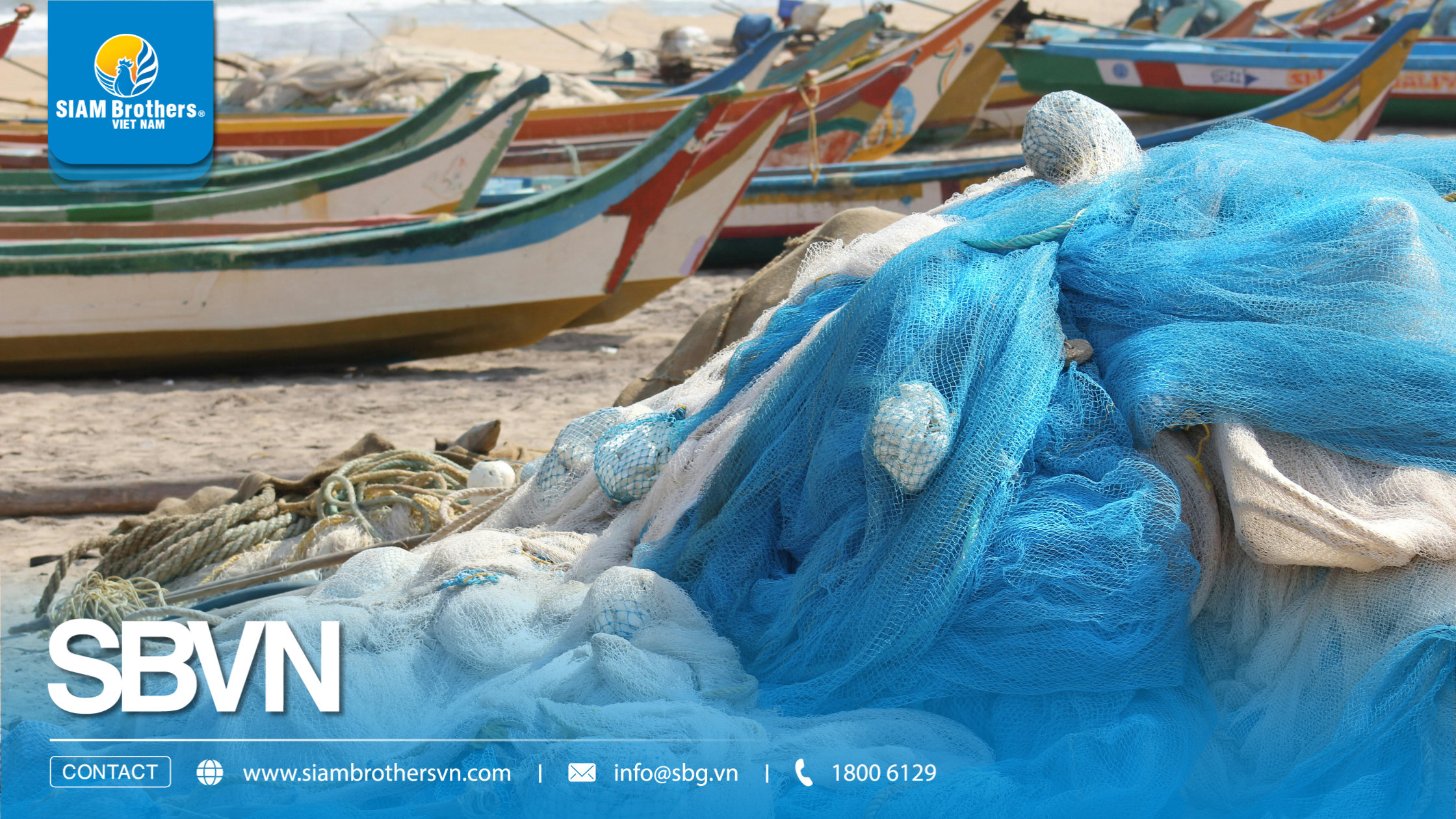
HDPE Netting (High-Density Polyethylene) is made from high-density virgin plastic with a stable molecular structure, specifically designed for outdoor and marine environments. It is widely used in aquaculture due to its superior strength and corrosion resistance.
1.1. Key components
- Virgin HDPE resin: ensures high mechanical strength and environmental safety
- UV stabilizers: prevent HDPE Netting from becoming brittle or cracking under continuous sunlight exposure
- Twisted or braided fibers: create a strong structure that resists breakage in harsh wave conditions
1.2. Key technical properties
- High tensile strength, suitable for rough sea conditions
- Resistant to saltwater, chemicals, and microorganisms
- UV resistance helps maintain durability for 5–10 years
- Lightweight, easy for installation and cage assembly
Therefore, HDPE Netting is not just a farming material but a critical factor affecting long-term investment performance.
2. Why choosing the right HDPE Netting is essential for 5–10 year durability
2.1. Direct impact on cage system lifespan
2.1.1. Structural durability
- HDPE Netting is the main load-bearing component, exposed to waves, wind, and currents
- Low-quality netting can stretch, tear, or degrade quickly
- High-quality HDPE Netting maintains cage stability for years
2.1.2. Safety and productivity
- Poor-quality HDPE Netting may cause fish loss due to tearing or mesh failure
- Incorrect mesh size reduces water circulation and affects fish growth
- Durable netting supports a stable farming environment and reduces disease risks
2.2. Higher long-term costs if the wrong HDPE Netting is selected
2.2.1. Replacement and maintenance costs
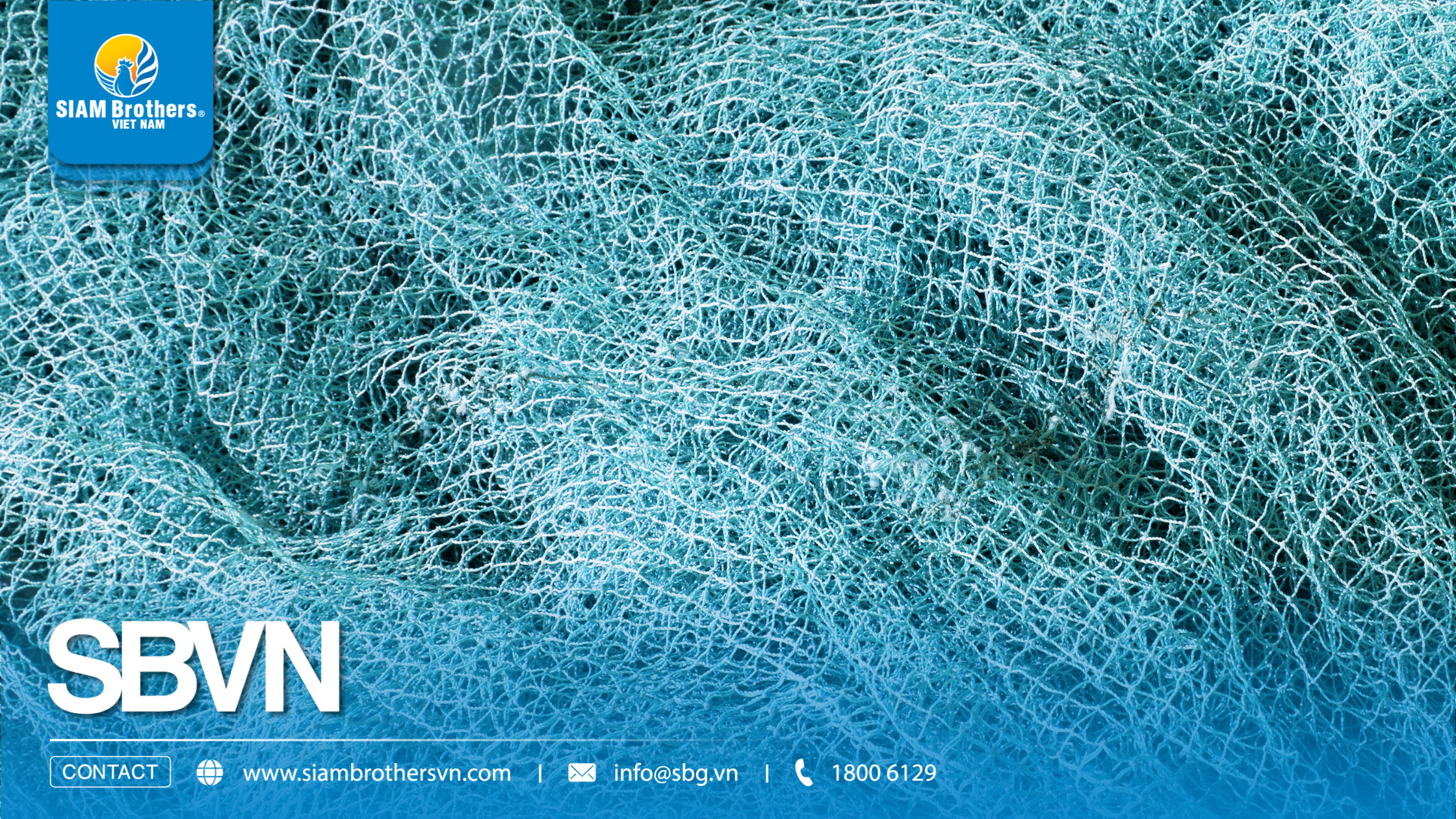
- Low-quality HDPE Netting often requires replacement within 1–2 years
- Increased labor costs for installation and downtime
2.2.2. Production risks
- Damaged netting can lead to complete stock loss
- Unstable environments reduce productivity
2.3. Farming environment determines HDPE Netting requirements
2.3.1. Marine environments (strong waves)
- Require thicker HDPE Netting with high tensile strength
- Must include UV stabilizers
- Prefer tightly woven structures
2.3.2. Freshwater environments (ponds, rivers)
- Lighter HDPE Netting can be used but must remain durable
- Focus on anti-fouling properties and water flow
3. Top 5 key criteria for choosing HDPE Netting for fish cage farming
3.1. Material quality
3.1.1. Material comparison
- Virgin HDPE Netting: high durability, stable structure
- Recycled HDPE Netting: lower cost but degrades faster
- Virgin HDPE Netting can last 5–10 years
- Ensures a safe environment for fish growth
3.2. UV resistance (UV stabilizer)
3.2.1. Function
- Protects HDPE Netting from continuous sunlight exposure
- Prevents brittleness and performance degradation
3.2.2. Identification
- Better color retention
- Clear technical specifications from suppliers
3.3. HDPE Netting mesh size
3.3.1. Selection by fish type
- Small fish: smaller mesh to prevent escape
- Large fish: larger mesh for better water flow
3.3.2. Environmental optimization
- Proper mesh improves water circulation
- Reduces waste buildup and disease risk
3.4. Fiber thickness and load capacity
3.4.1. Fiber thickness
- Thicker fibers increase durability and strength
- Suitable for high-wave, strong current areas
3.4.2. Load capacity
- HDPE Netting must withstand fish weight and water pressure
- Prevents deformation over time
3.5. Weaving technology and surface treatment
3.5.1. Weaving methods
- Knotted netting: stronger, suitable for marine farming
- Knotless netting: reduces friction and fish injury
3.5.2. Surface treatment
- Treated HDPE Netting reduces fouling
- Limits algae growth and lowers maintenance costs
4. How to Choose HDPE Netting for Different Fish Farming Models
4.1. Choosing HDPE Netting for Marine Fish Cage Farming
4.1.1. Environmental conditions
- Strong waves, high currents, and high salinity
- Continuous exposure to UV radiation and harsh weather
- High stocking density and large fish size
4.1.2. Selection criteria
- Virgin HDPE Netting with UV stabilizers
- Thick fibers with high tensile strength and low elongation
- Appropriate mesh size for species such as grouper, cobia, and pompano
- Strong weaving technology to prevent tearing in rough sea conditions
4.1.3. Operational optimization
- Prioritize long-lasting HDPE Netting to reduce replacement costs
- Regularly inspect high-load stress points
4.2. Choosing HDPE Netting for Freshwater Farming (Ponds, Lakes, Rivers)
Freshwater environments are less harsh but still require proper HDPE Netting selection for long-term efficiency.
4.2.1. Environmental conditions
- Lower wave impact but presence of mud, algae, and microorganisms
- Higher risk of fouling compared to marine environments
4.2.2. Selection criteria
- HDPE Netting with good anti-fouling properties
- Mesh size that ensures proper water and oxygen circulation
- Moderate fiber thickness to optimize investment cost
- UV stabilizers still required for outdoor durability
4.3. Choosing HDPE Netting for Large-Scale Industrial Farming
For enterprises and large farms, consistency and long-term efficiency are critical factors.
4.3.1. Environmental conditions
- High stocking density and continuous operation
- Large-scale systems with limited opportunities for frequent replacement
- Requirement for standardized materials
4.3.2. Selection criteria
- Consistent quality and technical specifications across all HDPE Netting
- Long lifespan to minimize operational costs
- High load-bearing capacity suitable for industrial cage systems
- Reliable supplier with stable production and supply capabilities
5. FAQ – Frequently Asked Questions about HDPE Netting
5.1. Is HDPE Netting durable?
- HDPE Netting is highly durable when made from virgin materials and enhanced with UV stabilizers
- Its lifespan can reach 5–10 years under proper usage conditions
5.2. Is HDPE Netting UV resistant?
HDPE Netting is UV resistant when UV stabilizers are added during the manufacturing process
5.3. How long does HDPE Netting last?
High-quality HDPE Netting can last between 5–10 years
Conditions for optimal lifespan:
- Selecting the right netting based on farming environment
- Using UV-stabilized HDPE Netting
- Performing regular maintenance and cleaning
5.4. How often should HDPE Netting be replaced?
Inspect HDPE Netting every 6–12 months
Replace when signs of damage appear:
- Brittle or cracked fibers
- Mesh deformation or stretching
- Reduced load-bearing capacity
- Do not wait until complete failure
- Proactive replacement helps prevent fish loss
5.5. Where to buy reliable HDPE Netting?
It is recommended to purchase HDPE Netting directly from manufacturers to ensure quality, competitive pricing, and technical support
SIAM Brothers Vietnam is a reliable option due to:
- Extensive experience in the fisheries industry
- In-house manufacturing with strict quality control
- Integrated solutions including HDPE Netting, ropes, and HDPE floats
- Technical consultation tailored to specific fish cage farming models
HDPE Netting is not just a farming material but a critical factor determining the durability, efficiency, and operational cost of fish cage systems. When selected correctly based on key criteria such as virgin material, UV resistance, mesh size, fiber thickness, and suitability for specific farming models, HDPE Netting can achieve a lifespan of 5–10 years.
On the other hand, poor initial selection can result in high replacement costs and significant production risks. Therefore, it is essential to adopt a strategic investment approach rather than focusing solely on price.
If you are looking for expert advice or a quotation for high-quality HDPE Netting, contact SIAM Brothers Vietnam today to receive optimized, durable, and cost-effective solutions for long-term aquaculture success.
Source: SIAM Brothers Vietnam
Contact us:
► Address: 5th floor, VRG Building, 177 Hai Ba Trung Street., Xuan Hoa Ward, Ho Chi Minh City, Vietnam
► Hotline: 1800 6129
► Tel: (+84) 28 38 912 889
► Email: info@sbg.vn
► Follow us for more details at: Facebook - Zalo OA - Tiktok - Youtube - LinkedIn
Download SBVN ID app here:
► CHPlay
► Appstore