Is an HDPE Shrimp Farming Floating Buoy truly safe for shrimp ponds exposed to saltwater, intense sunlight, and chemical treatments? This is a critical question for many enterprises, distributors, and shrimp farmers when investing in floating buoy systems for industrial-scale aquaculture. In reality, the safety of a floating buoy is not determined by shape or price alone, but by virgin HDPE material quality, manufacturing structure, and long-term resistance to salt, UV radiation, and mechanical loads.
In this article, SIAM Brothers Vietnam analyzes HDPE shrimp farming floating buoys from a technical perspective—covering material properties, durability, resistance to saltwater corrosion, and potential impacts on water quality and shrimp growth. The article also provides practical criteria for identifying high-quality buoys and selecting suitable solutions.
1. Is HDPE Shrimp Farming Floating Buoy Safe?
1.1. What factors determine the safety of an HDPE Shrimp Farming Floating Buoy?
The safety of an HDPE Shrimp Farming Floating Buoy is based on objective technical factors rather than subjective perception, including:
- Durable polymer structure that does not react with saltwater or brackish water
- Free from plasticizers, odorless, and non-leaching into pond water
- Dimensional stability under prolonged high temperatures and strong sunlight
- No generation of plastic fragments or dust during long-term use

1.2. Is HDPE Shrimp Farming Floating Buoy suitable for long-term farming models?
From a practical production and application perspective in coastal shrimp farming regions:
- HDPE Shrimp Farming Floating Buoys offer multi-year service life when manufactured to material standards
- Suitable for long-term investment with reduced replacement and maintenance costs
- Meet safety requirements for intensive and super-intensive shrimp farming systems
2. What Is HDPE Material and Why Is It Used for Shrimp Farming Floating Buoys?
HDPE (High-Density Polyethylene) is a thermoplastic polymer with high molecular density, widely used in aquaculture and industrial farming applications.
- Key characteristics of HDPE when used for Shrimp Farming Floating Buoy systems include:
- Stable molecular structure that resists breakdown in saltwater environments
- No chemical reaction with salt, pond treatment chemicals, or microorganisms
These properties allow HDPE to fully meet the technical requirements of shrimp farming floating buoys in coastal and high-salinity areas.
2.1. Why Is HDPE More Suitable Than Other Plastics for Shrimp Farming?
Not all plastics are suitable for Shrimp Farming Floating Buoy applications. HDPE is preferred due to its adaptability to real operating conditions.
2.1.1. Resistance to saltwater and extreme sunlight
- Not corroded by saltwater or brackish water
- Does not become brittle or crack under prolonged UV exposure
- Maintains shape and volume under high temperatures
2.1.2. Mechanical strength for industrial shrimp ponds
- High load-bearing capacity when integrated with frames, walkways, and cage systems
- Reduced deformation under pulling force and impact
- Suitable for intensive and super-intensive shrimp farming models
- These factors enable HDPE Shrimp Farming Floating Buoys to operate stably and reduce failure risks during long-term use.
2.2. Virgin HDPE and Its Role in Shrimp Farming Floating Buoy Quality
An important consideration for buyers is the quality of HDPE input material.
2.2.1. Advantages of virgin HDPE in Shrimp Farming Floating Buoys
- Free from impurities and recycled plastic blends
- Maintains stable durability and buoyancy over time
- Safe for pond water quality and shrimp growth
2.2.2. Risks of using non-standard HDPE materials
- Reduced buoy service life
- Accelerated aging in saltwater environments
- Increased early replacement and maintenance costs
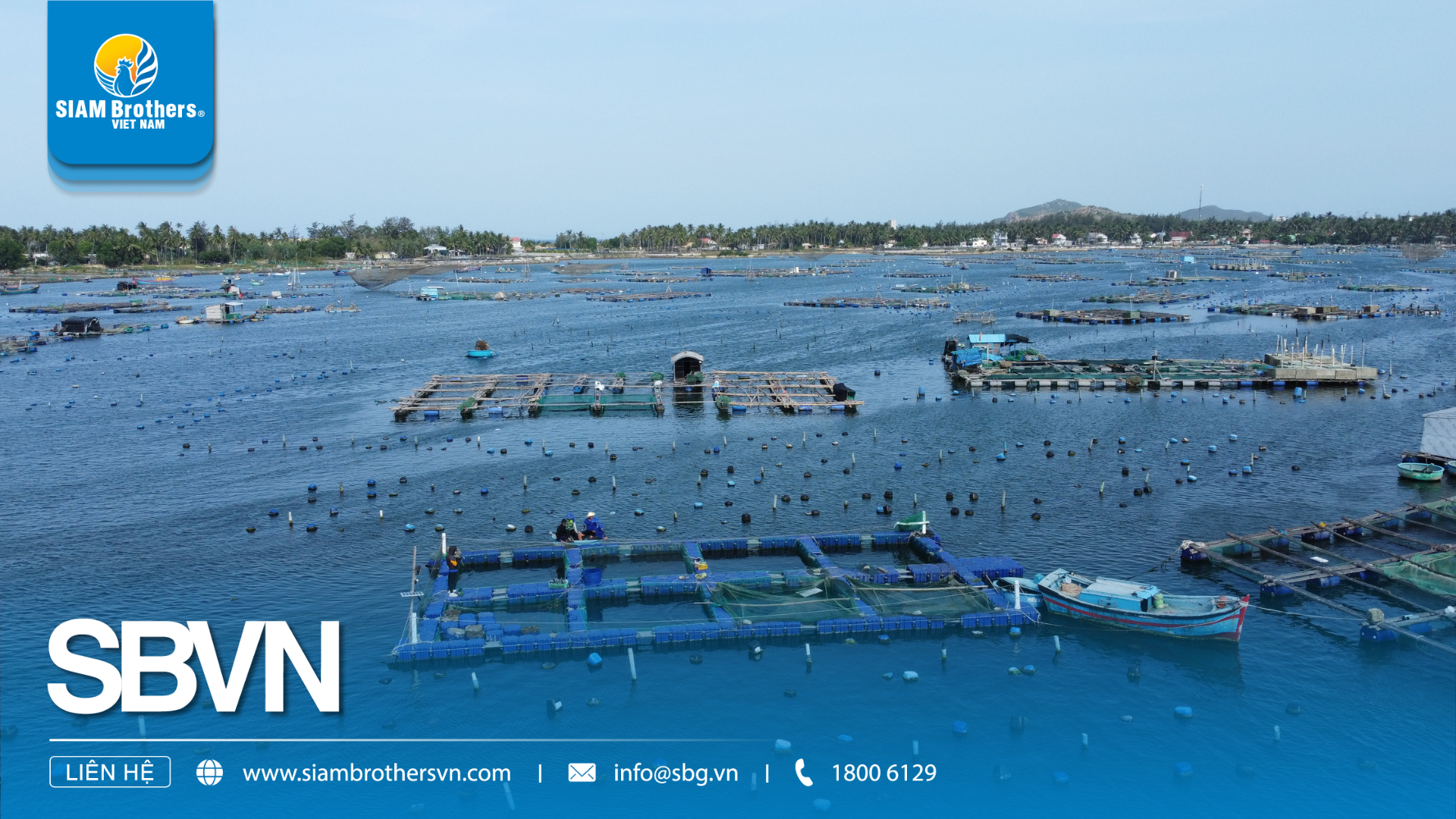
3. Does HDPE Shrimp Farming Floating Buoy Affect Water Quality?
3.1. Does an HDPE Shrimp Farming Floating Buoy Release Chemicals into the Water?
From both a material science perspective and practical field applications, a standard-compliant HDPE Shrimp Farming Floating Buoy does not leach chemicals into pond water.
- Key material characteristics directly related to water safety include:
- HDPE features a stable polymer structure and does not dissolve in saltwater or brackish water
- Free from plasticizers and does not emit odor during long-term use
- Chemically inert when exposed to commonly used pond treatment chemicals
- Does not generate residue, sediment, or plastic fragments under normal operating conditions
These properties enable Shrimp Farming Floating Buoys made from HDPE to maintain a stable and safe aquatic environment throughout the entire farming cycle.
3.2. Impact of HDPE Shrimp Farming Floating Buoys on Pond Water Parameters
For shrimp farmers, maintaining stable water parameters is a decisive factor in production efficiency and shrimp survival rates.
3.2.1. Effects on pH, Salinity, and Water Clarity
- Does not alter pond water pH levels
- Does not affect the natural salinity of the farming environment
- Does not cause turbidity or reduce water transparency
3.2.2. Effects on Beneficial Microorganisms and Shrimp Growth
- Does not inhibit the development of beneficial microbial systems
- Does not induce stress in shrimp during growth stages
- Suitable for high-density farming and recirculating aquaculture systems (RAS)
- These factors demonstrate that HDPE Shrimp Farming Floating Buoys can operate in harmony with pond ecosystems over long-term use.

4. How to Identify High-Quality HDPE Shrimp Farming Floating Buoys
4.1. Identifying HDPE Shrimp Farming Floating Buys by Material and Structure
4.1.1. Characteristics of Virgin HDPE Shrimp Farming Floating Buoys
- Smooth surface with uniform color and no visible impurities
- Thick buoy walls with good elasticity; resistant to cracking upon impact
- Stable weight and free from unusual plastic or chemical odors
4.1.2. Warning Signs of Low-Quality Shrimp Farming Floating Buoys
- Easily deformed under light pressure
- Emits plastic or chemical odors
- Prone to cracking or breaking after short-term use in saltwater environments
4.2. Key Technical Criteria to Check Before Purchasing HDPE Shrimp Farming Floating Buoys
Beyond visual inspection, buyers should evaluate the core technical specifications of Shrimp Farming Floating Buoys.
4.2.1. Load-Bearing Capacity and Buoyancy Stability
- Meets the designed load requirements of frames, platforms, and pond systems
- Maintains stable buoyancy throughout its service life
- No loss of buoyant force during prolonged operation
4.2.2. Water Resistance and Structural Tightness
- No water absorption after long-term exposure
- Secure welding joints with no leakage
- Suitable for both saltwater and brackish water environments
4.3. Manufacturer Factors That Determine Shrimp Farming Floating Buoy Quality
In addition to product specifications, the manufacturer’s expertise plays a crucial role in ensuring buoy quality.
- Proven experience in HDPE manufacturing for aquaculture applications
- Ability to provide technical consultation tailored to specific shrimp pond models
- Products widely deployed in real-world shrimp farming areas
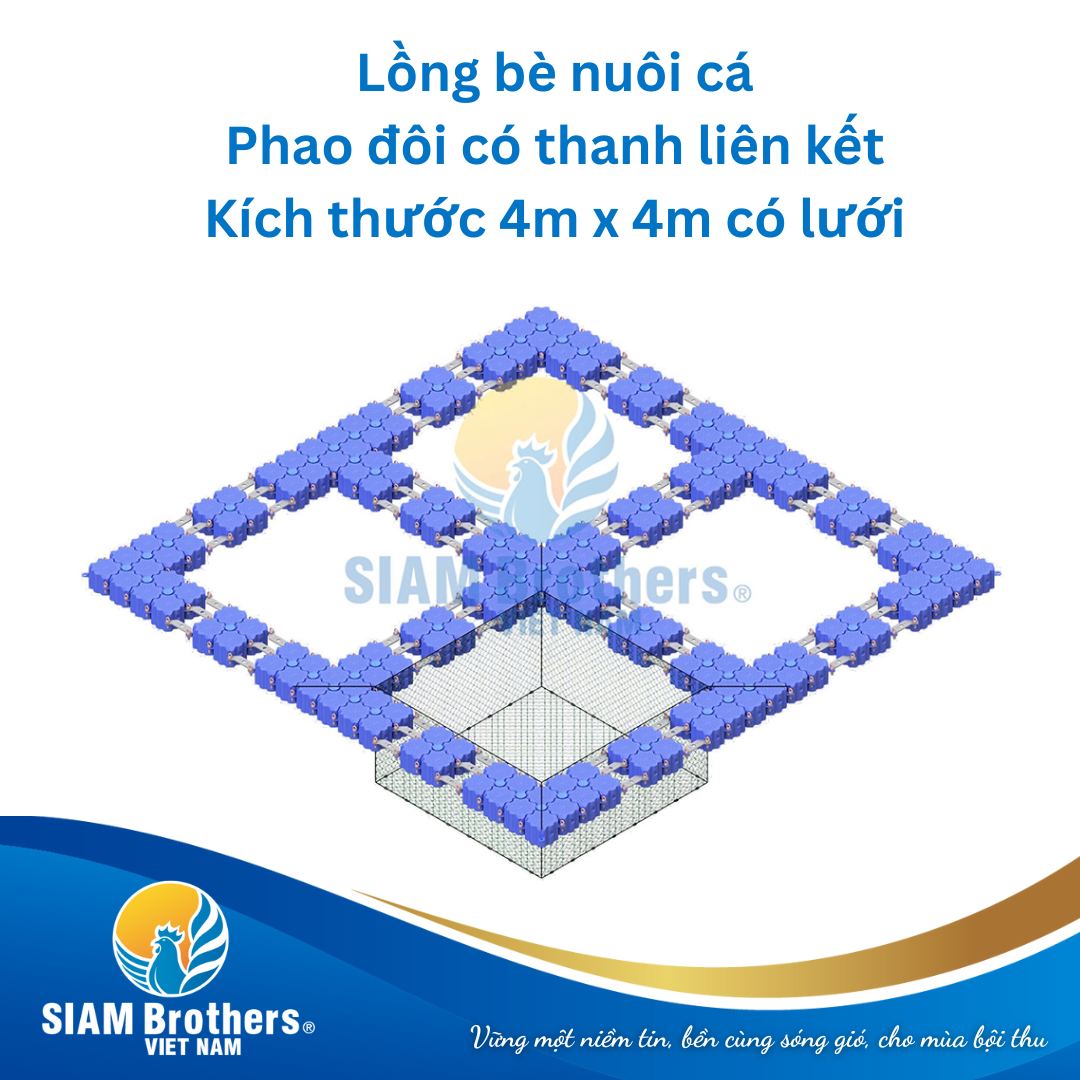
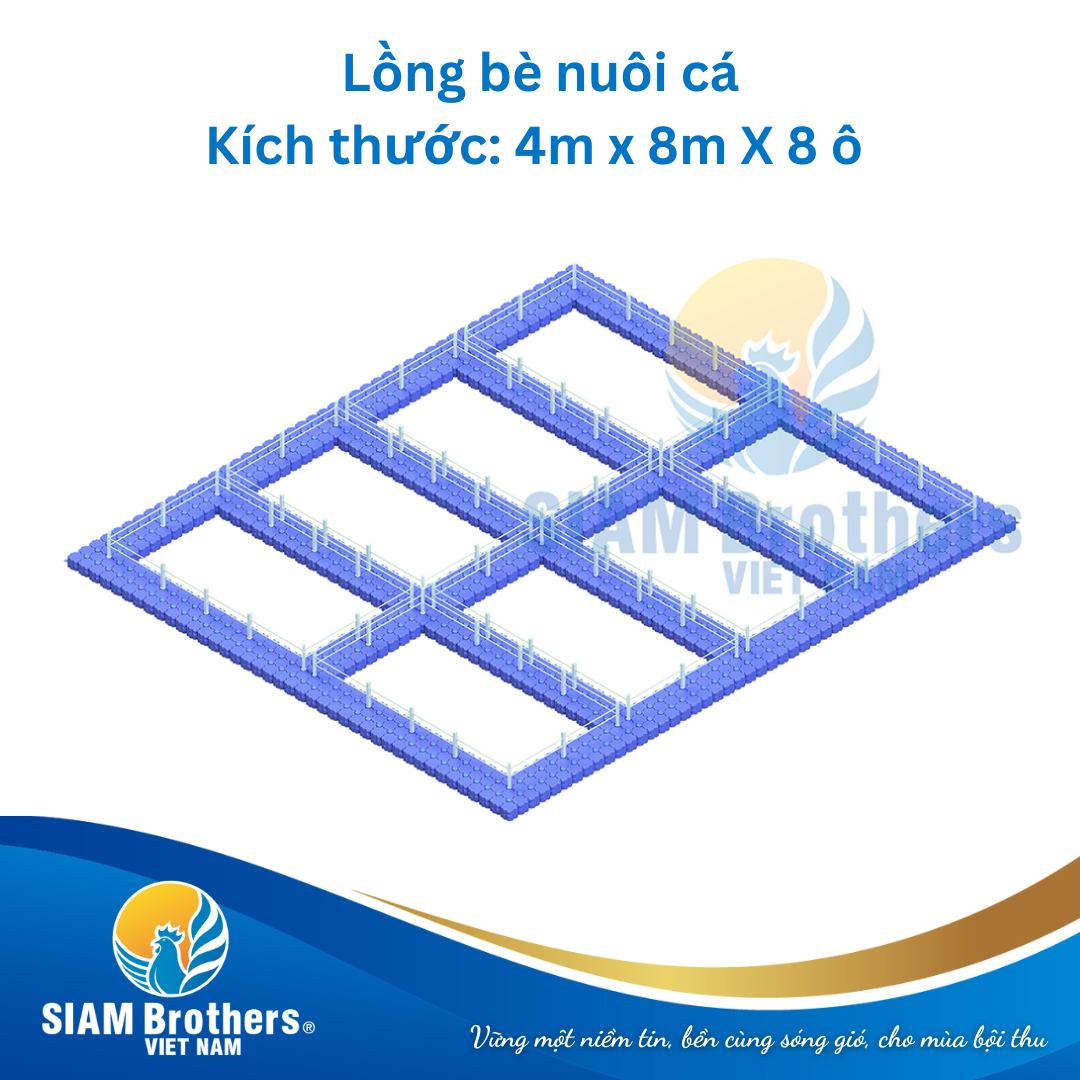
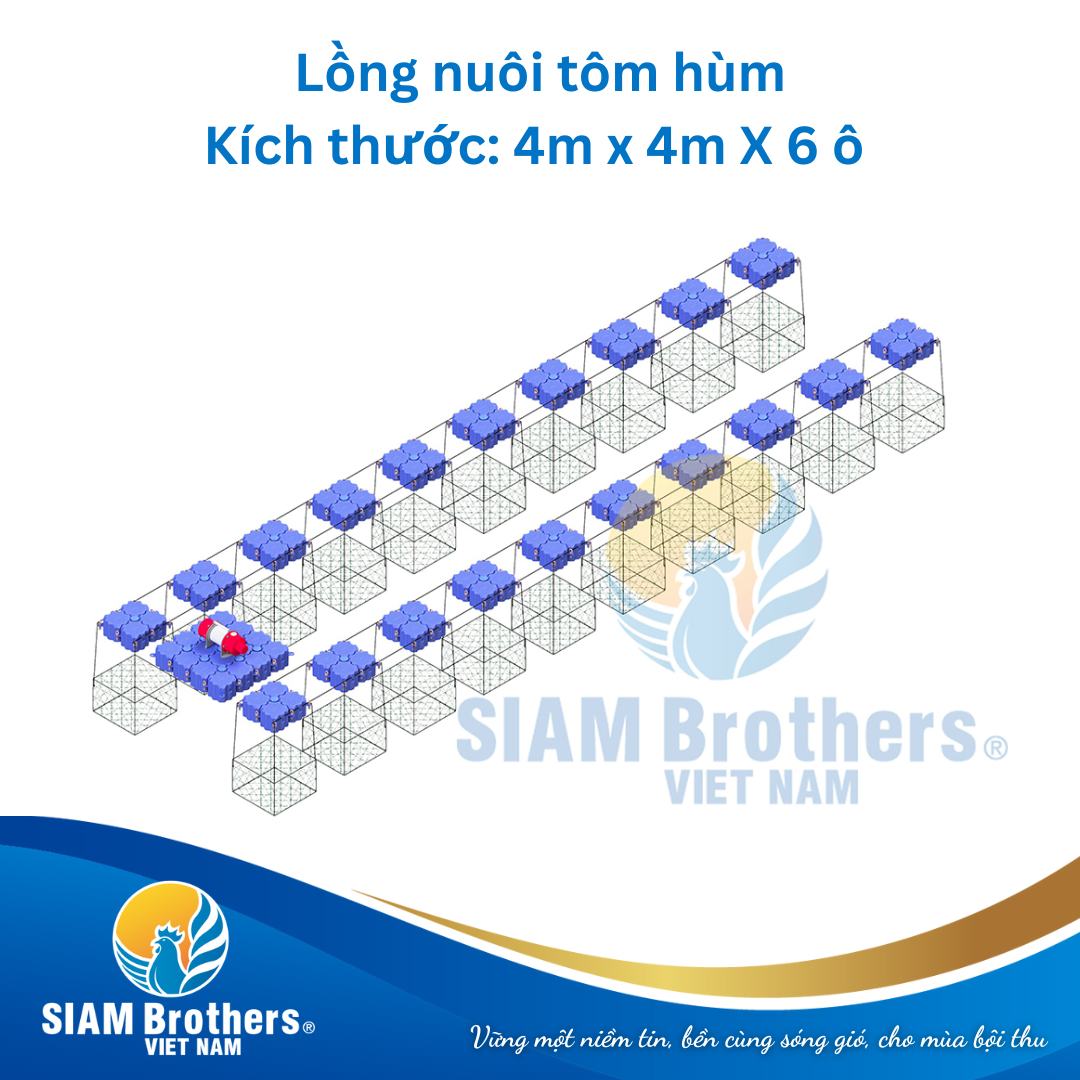
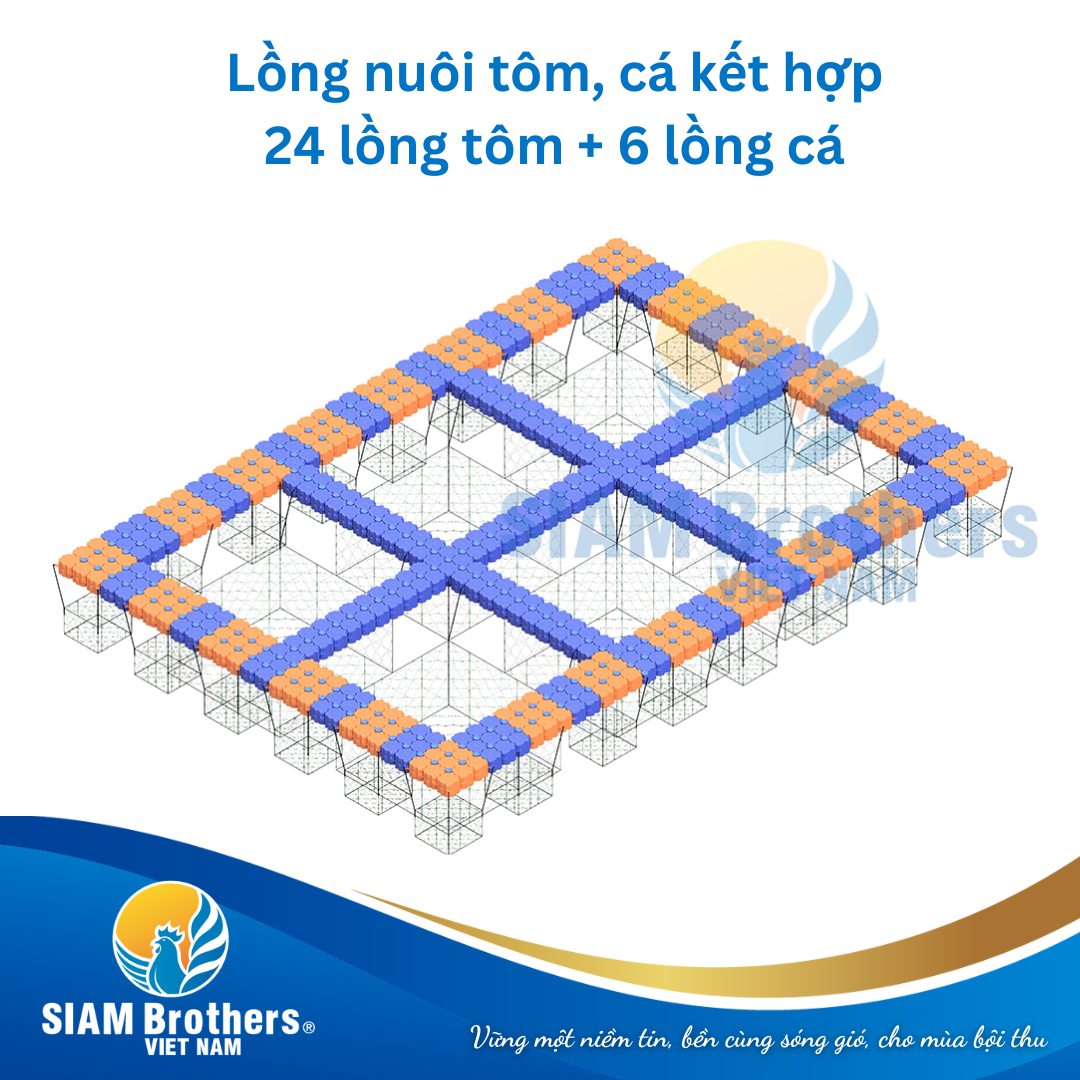
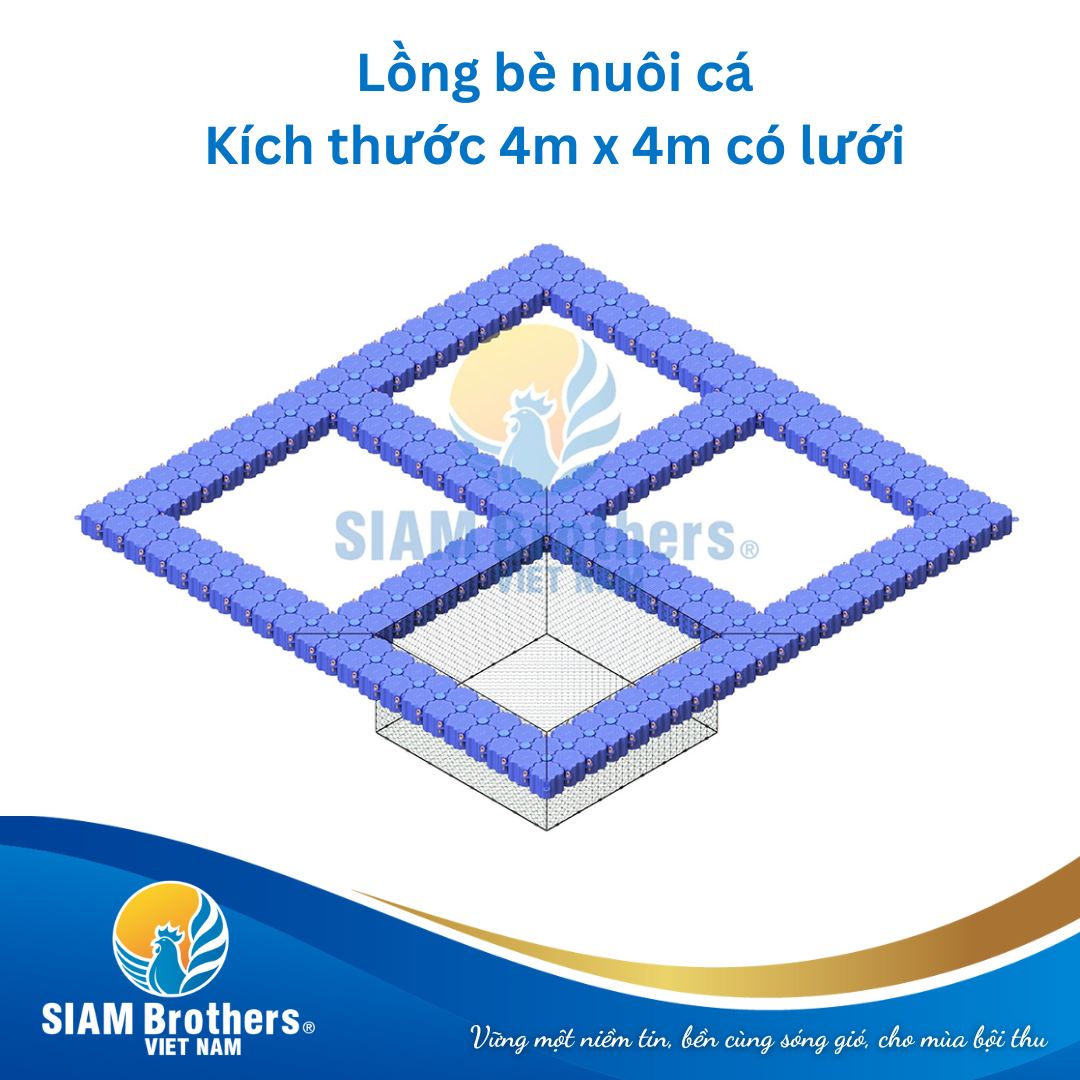
5. Frequently Asked Questions About Shrimp Farming Floating Buoys
5.1. Can HDPE Shrimp Farming Floating Buoys Be Used Long-Term in Saltwater?
Yes. Virgin HDPE Shrimp Farming Floating Buoys are specifically engineered to operate stably in both saltwater and brackish water environments.
- HDPE material is resistant to salt corrosion and does not become brittle or crack under prolonged exposure to heat and sunlight
- Well-suited for coastal shrimp farming areas and regions with high salinity levels
5.2. Do HDPE Shrimp Farming Floating Buoys Affect Shrimp During the Farming Process?
No. Standard-compliant Shrimp Farming Floating Buoys made from HDPE are designed to ensure biological safety.
- Do not leach chemicals into pond water
- Do not alter pH levels or disrupt beneficial microbial systems
- Do not generate odors or sediment during operation
Suitable for intensive and super-intensive shrimp farming models
5.3. What Is the Average Service Life of an HDPE Shrimp Farming Floating Buoy?
The service life depends on material quality and operating conditions. However, in general:
- Virgin HDPE Shrimp Farming Floating Buoys can be used for many years
- They significantly reduce replacement costs compared to low-quality buoy alternatives
5.4. Are HDPE Shrimp Farming Floating Buoys Suitable for Both Lined and Earthen Ponds?
Yes. HDPE Shrimp Farming Floating Buoys are highly adaptable.
- Suitable for both earthen ponds and geomembrane-lined ponds
- Easily integrated with frames, platforms, and farming systems
- Flexible for various aquaculture models and operational scales
5.5. What Are the Most Important Factors When Choosing a Shrimp Farming Floating Buoy?
Key considerations include:
- Use of virgin HDPE material with no recycled plastic content
- Load-bearing capacity suitable for the pond and system design
- A manufacturer with proven experience in aquaculture applications
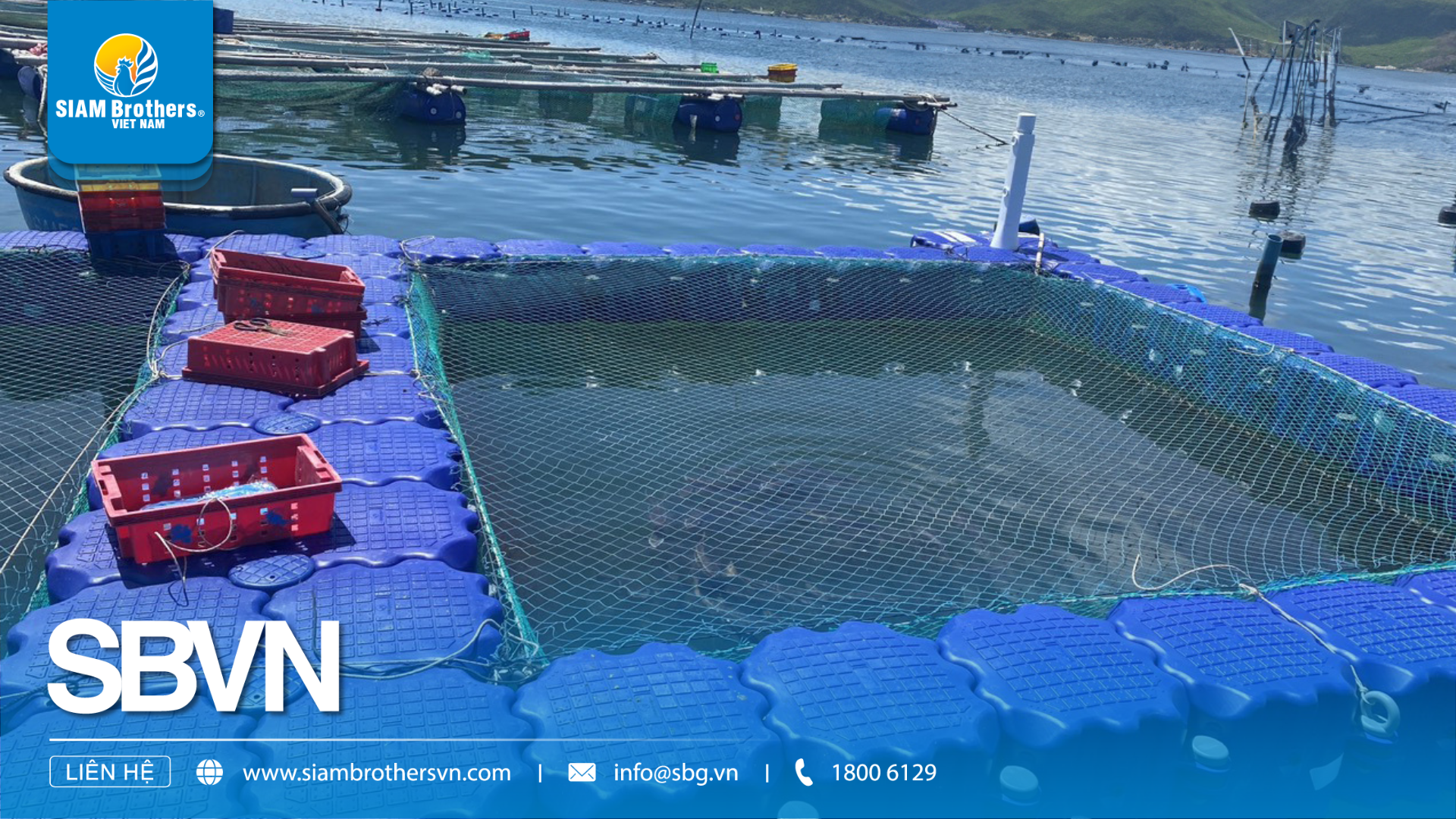
HDPE Shrimp Farming Floating Buoys are widely recognized as an effective solution for modern shrimp farming systems, as they meet critical requirements for safety, durability, and adaptability to saltwater environments. Material analysis shows that virgin HDPE features a stable polymer structure that does not leach substances, does not affect water quality, and remains compatible with pond ecosystems. In addition, high mechanical strength enables long-term buoyancy performance, minimizes damage, and reduces operational costs for enterprises, distributors, and shrimp farmers alike.
If you are seeking a safe, durable, and model-specific Shrimp Farming Floating Buoy solution, we recommend contacting SIAM Brothers Vietnam for professional technical consultation and optimized solutions from the outset.
Source: SIAM Brothers Vietnam
Contact us:
► Address: 5th floor, VRG Building, 177 Hai Ba Trung Street., Xuan Hoa Ward, Ho Chi Minh City, Vietnam
► Hotline: 1800 6129
► Tel: (+84) 28 38 912 889
► Email: info@sbg.vn
► Follow us for more details at: Facebook - Zalo OA - Tiktok - Youtube - LinkedIn
Download SBVN ID app here:
► CHPlay
► Appstore