
Low-Cost PP Rope is widely searched by businesses, distributors, fishermen, and farmers who need to optimize costs while maintaining practical performance. However, whether a low price also means low durability remains a key concern before making a purchase decision.
This article provides a direct technical analysis of PP rope durability based on virgin PP and recycled PP materials, load-bearing capacity, resistance to saltwater, and outdoor environmental conditions. In addition, it compares real working load capacities by diameter and rope structure (twisted vs. braided), along with current market price ranges in Vietnam. From a manufacturer’s technical perspective, you will understand when choosing low-cost PP rope is truly cost-effective and how to select the right type for each specific application.
1. Low-Cost PP Rope: Is It Durable? A Technical Analysis
1.1. What Factors Affect the Durability of Low-Cost PP Rope?
From a technical standpoint, low-cost PP rope can be either durable or short-lived depending on several key factors:
- Quality of PP resin used (virgin PP or recycled PP)
- Material blending ratio during the rope manufacturing process
- Rope structure (twisted or braided)
- Rope diameter and fiber density
- Actual operating environment (saltwater, UV exposure, abrasion)
When these factors are properly controlled, PP rope at a reasonable price can still meet long-term usage requirements.
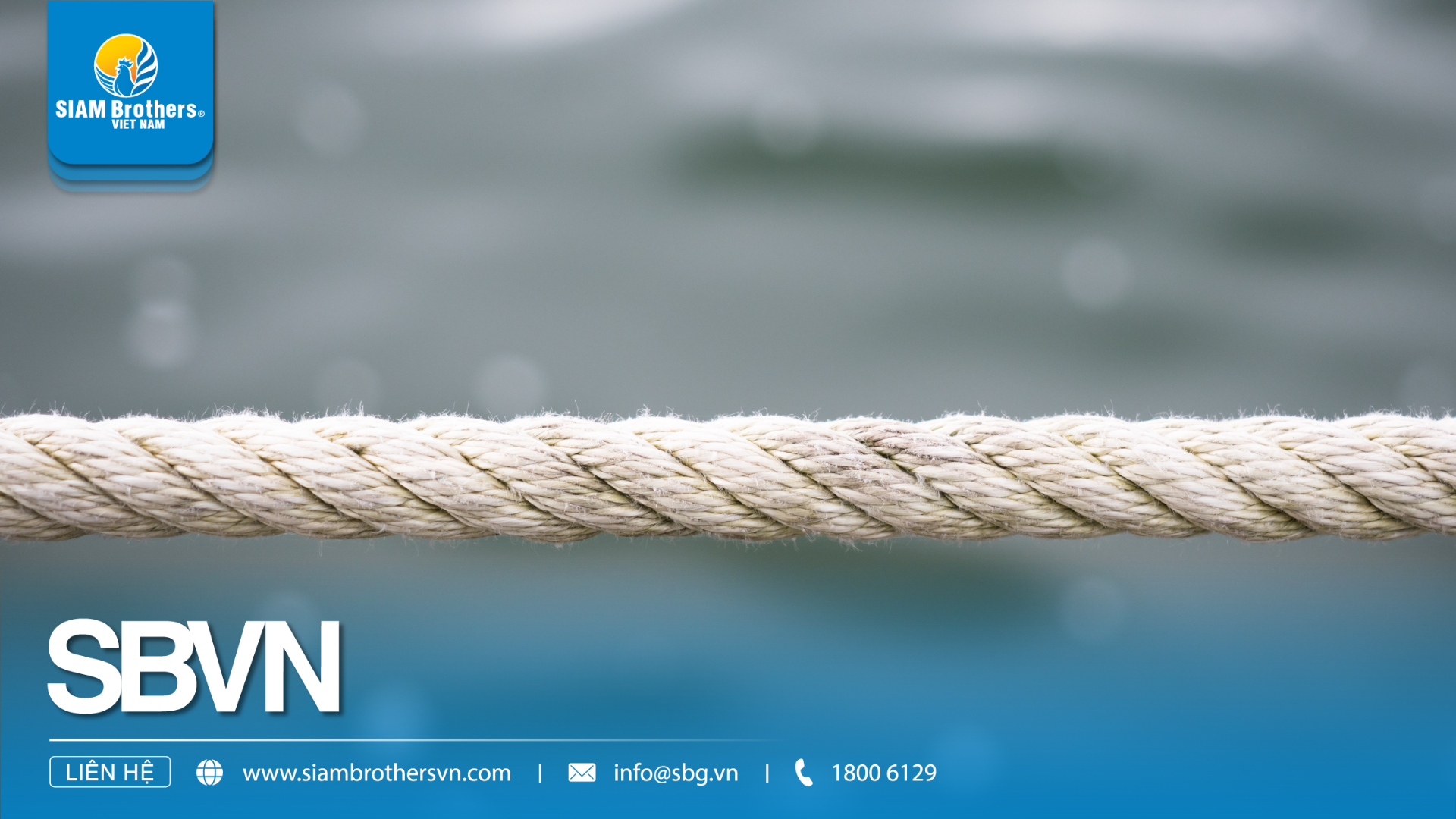
1.2. Material Analysis: Virgin PP vs. Recycled PP
1.2.1. Virgin PP Rope
- Uniform fibers with stable elasticity and load-bearing performance
- High durability in saltwater and humid environments
- Higher initial cost but lower long-term usage cost
1.2.2. Recycled PP Rope
- Lower price due to the use of recycled materials
- Reduced durability and load capacity depending on recycling quality
- Suitable for short-term or light-duty applications
- Not recommended for mooring vessels or heavy-load operations
2. Comparing Load Capacity of Common Low-Cost PP Rope Types
2.1. Load Capacity of Low-Cost PP Rope by Common Diameters
In manufacturing and real-world applications, the load capacity of PP rope depends directly on rope diameter and fiber density:
PP Rope 6–8 mm
- Low to medium load capacity
- Suitable for light net tying and agricultural fastening
- Not recommended for mooring or heavy pulling
PP Rope 10–12 mm
- Medium and stable load capacity
- Commonly used in fisheries and small floating cage systems
PP Rope ≥14 mm
- High load capacity with strong tensile strength
- Suitable for cage mooring, equipment fastening, and cargo handling
- Higher cost but safer for long-term use
2.2. Load Capacity Comparison: Twisted PP Rope vs. Braided PP Rope
Beyond diameter, rope construction plays a significant role in the load capacity of low-cost PP rope.
2.2.1. Twisted PP Rope
- Three-strand or multi-strand twisted structure
- Easy to manufacture with lower production cost
- Moderate load capacity suitable for general-purpose use
- More prone to fraying under continuous abrasion
2.2.2. Braided PP Rope
- Tightly braided fibers with even load distribution
- Less deformation under tension
- Higher price but more stable and durable in operation
2.3. Impact of Material Quality on the Load Capacity of Low-Cost PP Rope
Virgin PP
- Uniform fibers with stable load capacity
- Minimal strength degradation over time
Recycled PP
- Lower load capacity at the same diameter
- Strength decreases faster when exposed to sunlight and saltwater
- Recommended only for light-duty, short-term applications

3. Practical Tips for Choosing Low-Cost PP Rope While Ensuring Quality
3.1. Clearly Define the Intended Use Before Purchasing Low-Cost PP Rope
Not every application requires the highest load capacity. Before selecting a low-cost PP rope, users should clearly identify:
- Whether the rope is used for tying, mooring, pulling, or securing objects
- The operating environment: outdoor conditions, saltwater, ponds, rivers, or warehouses
- Clearly defining the application helps avoid choosing an underperforming rope or overspending on unnecessary specifications.
3.2. Check the Material and Rope Structure Carefully
3.2.1. Prioritize Virgin PP Rope for Critical Load Applications
- Uniform fiber color with minimal impurities
- Stable elasticity and tensile strength
- Minimal performance degradation when exposed to saltwater and UV radiation
- Virgin polypropylene rope is recommended for applications requiring consistent load-bearing performance.
3.2.2. Consider Recycled PP Rope for Light-Duty Requirements
- Lower cost compared to virgin PP rope
- Suitable for cargo tying and short-term use
- Not recommended for cage mooring or heavy-load pulling
3.3. Compare Technical Specifications Instead of Price Alone
A common mistake when purchasing low-cost PP rope is focusing only on unit price. To make the right choice, buyers should:
- Compare working load limits among ropes of the same diameter
- Check fiber density and rope compactness
- This approach allows for an accurate assessment of real usage value rather than initial cost alone.
3.4. Choose Suppliers with Clear Manufacturing Capabilities
To ensure consistent quality when purchasing in bulk, buyers should prioritize suppliers who:
- Are direct rope manufacturers or authorized distributors
- Apply strict quality control standards for raw materials
- Provide transparent information on materials and load capacity
This is particularly important for enterprises, distributors, and fisheries that require long-term and stable supply sources.
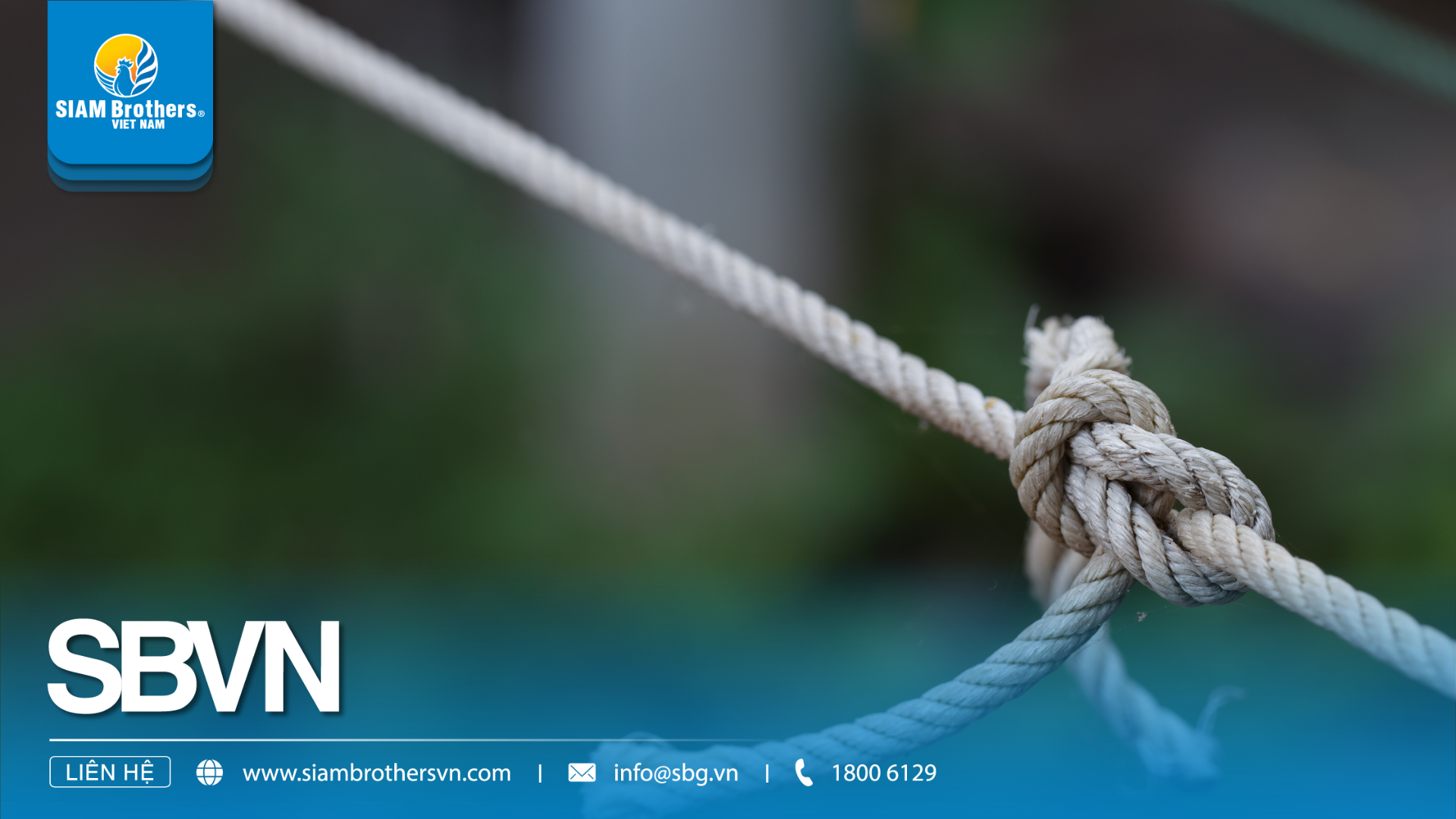
4. Frequently Asked Questions About Low-Cost PP Rope
4.1. Is Low-Cost PP Rope Suitable for Long-Term Use?
Yes—if used correctly within the permitted load capacity.
- Virgin PP rope offers longer service life for outdoor applications
- Recycled PP rope should only be used for short-term, light-duty purposes
- Actual lifespan depends on the operating environment and load frequency
4.2. Can Low-Cost PP Rope Be Used in Saltwater?
Polypropylene is a non-absorbent material and does not rot even after prolonged immersion.
- Suitable for fisheries and aquaculture applications
- Better saltwater resistance than many natural fiber ropes
- High fiber density is recommended to reduce abrasion
4.3. How Much Load Can Low-Cost PP Rope Withstand?
- Load capacity depends on rope diameter, fiber structure, and material quality.
- Ropes of the same size but different materials can have significantly different strength
- Continuous operation at maximum load is not recommended
- A safety factor should always be applied for mooring, pulling, or equipment securing
4.4. Should You Choose the Cheapest Low-Cost PP Rope on the Market?
Extremely low prices often indicate a high recycled material content.
- Faster degradation over short usage periods
- Potentially higher replacement costs in the long term
- Buyers should compare price together with technical specifications, not price alone
4.5. Where to Buy Low-Cost PP Rope in Bulk with Guaranteed Quality?
- Prioritize direct manufacturers or authorized distributors
- Ensure clear documentation of materials and load capacity
- Ability to handle large-volume orders with stable delivery
- Proven experience supplying fisheries and agricultural sectors

Low-cost PP rope is not merely a budget-saving option—it can fully meet operational requirements when buyers understand its technical characteristics. Through material analysis, load capacity evaluation, and proper purchasing practices, it is evident that the durability of PP rope depends on raw materials, fiber structure, and operating conditions rather than price alone.
When the correct diameter, appropriate working load, and suitable application are selected, low-cost PP rope remains a safe and reliable solution for fisheries, agriculture, and multipurpose uses. Instead of focusing solely on price, buyers should pay close attention to technical specifications and manufacturing origin.
For professional consultation or quotations on low-cost PP rope tailored to your specific needs, please contact SIAM Brothers Vietnam for technical support from our experienced team.
Source: SIAM Brothers Vietnam
Contact us:
► Address: 5th floor, VRG Building, 177 Hai Ba Trung Street., Xuan Hoa Ward, Ho Chi Minh City, Vietnam
► Hotline: 1800 6129
► Tel: (+84) 28 38 912 889
► Email: info@sbg.vn
► Follow us for more details at: Facebook - Zalo OA - Tiktok - Youtube - LinkedIn
Download SBVN ID app here:
► CHPlay
► Appstore