
- 1800 6129

Aquaculture Rope has become a critical component in ensuring the safety, durability, and operational efficiency of modern fish cage farming, offshore aquaculture, and high-tech marine farming systems. Choosing the right rope can make a significant difference in the long-term performance of your aquaculture infrastructure. But which type of rope offers the best strength, UV resistance, and cost efficiency for fish farmers, distributors, and aquaculture businesses? In this article, SIAM Brothers Vietnam explores the most durable Aquaculture Rope options available today, highlighting their key advantages, practical applications, and selection tips for different aquaculture systems commonly used across Vietnam.
Rope is one of the most essential materials used in the aquaculture industry. From floating fish cages and offshore oyster farming to HDPE floating systems, specialized ropes are required for securing, anchoring, and supporting daily operations. Choosing the wrong rope can lead to premature wear, structural failure, and increased maintenance costs, especially in harsh saltwater environments.
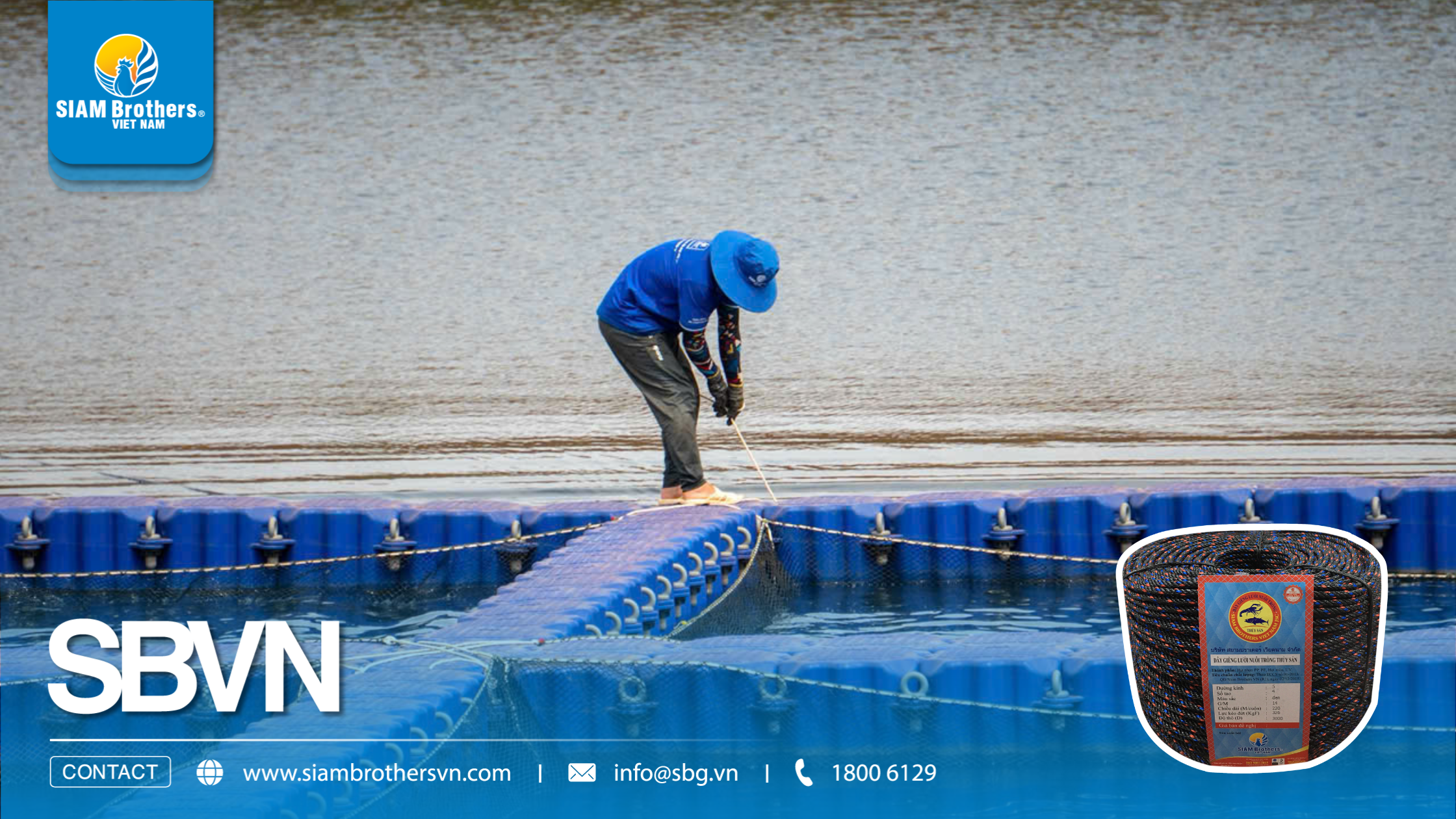
Aquaculture Rope is specifically designed for marine and aquaculture applications, including:
Unlike standard utility ropes, Aquaculture Rope is typically manufactured from high-performance materials such as:
These materials provide several important benefits:
Excellent performance in saltwater and harsh weather conditions
For example, in major marine farming regions such as Khanh Hoa, Phu Quoc, and Vung Tau, cage anchoring ropes are exposed to strong sunlight, waves, and currents every day. As a result, fish farmers often choose durable, high-strength ropes to reduce replacement costs and improve operational reliability.
Many people assume that any strong rope will work. In reality, aquaculture systems face constant stress from environmental conditions such as:
Using low-quality rope can result in:
For this reason, professional aquaculture operations increasingly rely on specialized Aquaculture Rope engineered for marine environments.
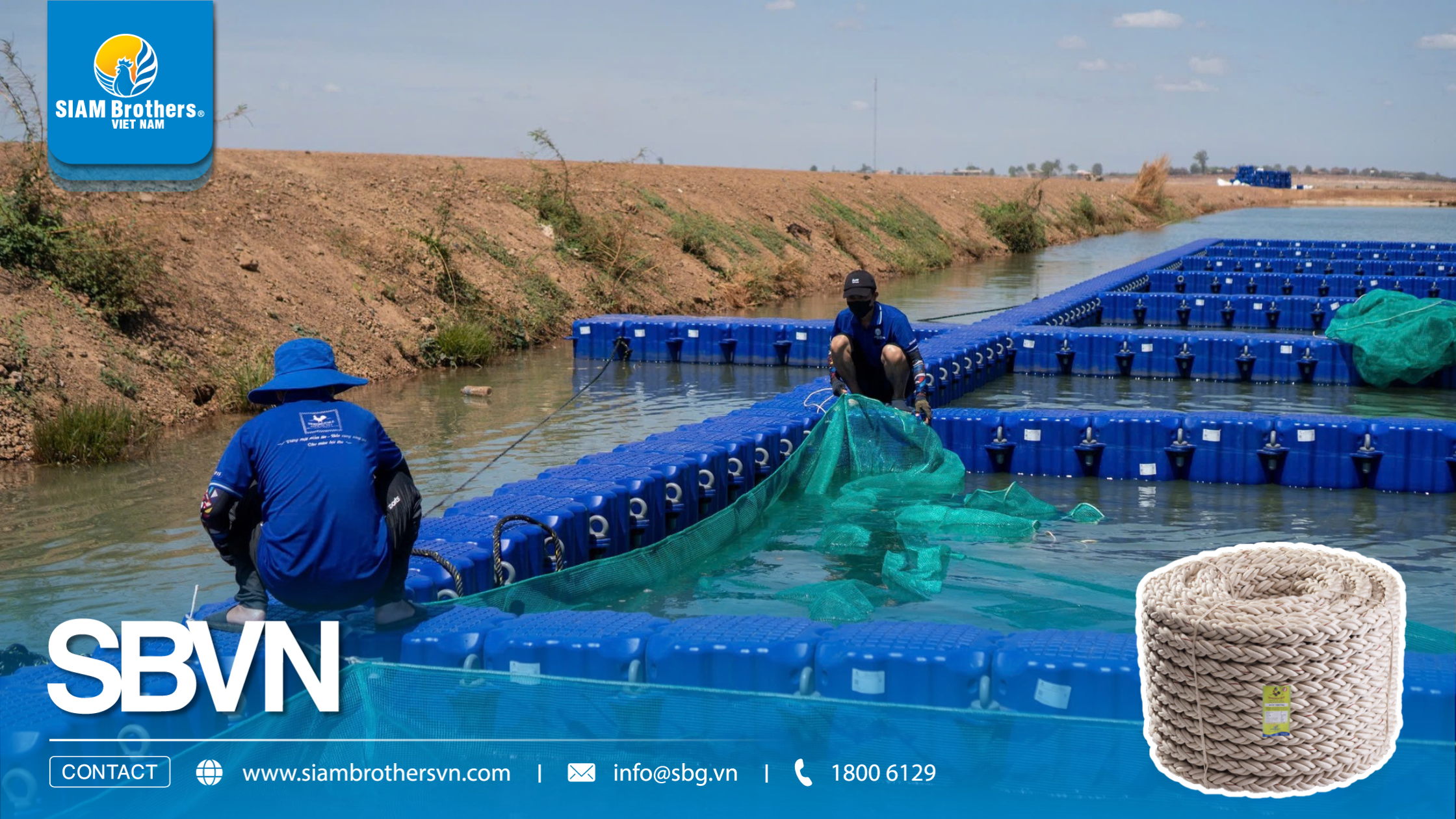
PP rope is widely used by fish farmers and aquaculture suppliers because of its affordability and versatility.
Key Features
Common Applications
Advantages
In many floating fish farming areas across the Mekong Delta, PP rope is commonly used for buoy systems and cage connections because it is easy to handle and economical.
If long-term durability in offshore conditions is your priority, PE rope is an excellent option. It offers strong abrasion resistance and reliable performance in demanding environments.
Key Features
Common Applications
Advantages
In coastal aquaculture regions such as Khanh Hoa and Phu Yen, PE rope is frequently selected for primary anchoring systems due to its long-term strength and stability.
Among the various types of Aquaculture Rope available today, Nylon rope stands out for its exceptional strength and elasticity.
Key Features
Common Applications
Advantages
However, Nylon rope is generally more expensive than PP or PE rope. As a result, it is often preferred by large-scale aquaculture businesses and operations requiring maximum safety and reliability.
The best choice depends on your specific operational needs.
Selecting the right Aquaculture Rope not only improves system performance but also helps reduce maintenance costs and extend the lifespan of your aquaculture infrastructure.
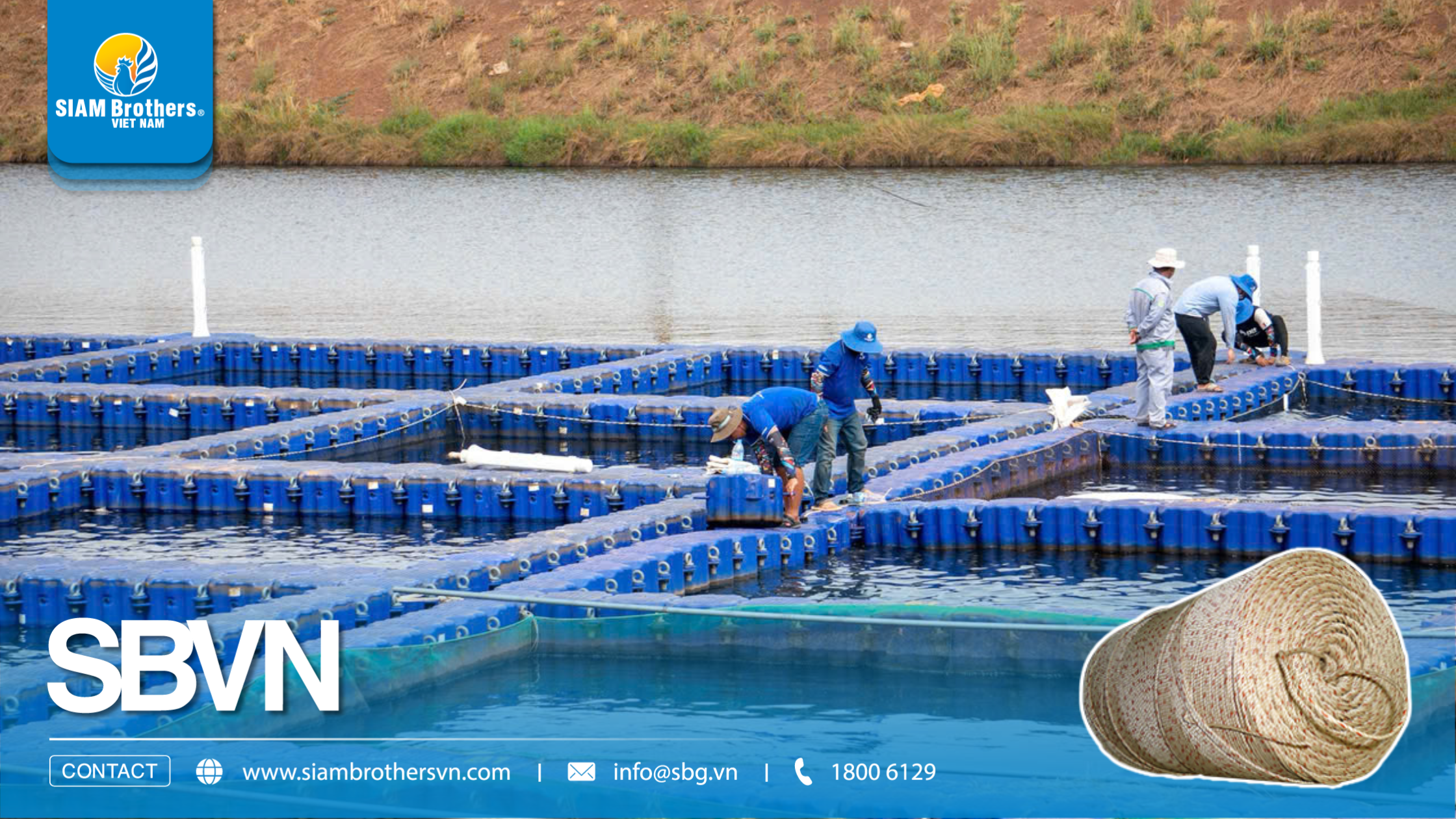
Choosing the right Aquaculture Rope is not just about price. Factors such as load capacity, marine durability, UV resistance, and application requirements all play an important role in determining the best option for your aquaculture system.
| Criteria | PP Rope | PE Rope | Nylon Rope |
| Tensile Strength | Good | High | Very High |
| Outdoor Durability | Good | Excellent | Good |
| Saltwater Resistance | Good | Excellent | Good |
| Elasticity | Low | Moderate | High |
| Buoyancy | Floats | Floats | Usually Sinks |
| Abrasion Resistance | Fair | High | Excellent |
| Cost | Affordable | Moderate | Premium |
| Common Applications | Fish cages, floating buoys | Cage anchoring, net handling | Heavy-duty anchoring systems |
Based on this comparison:
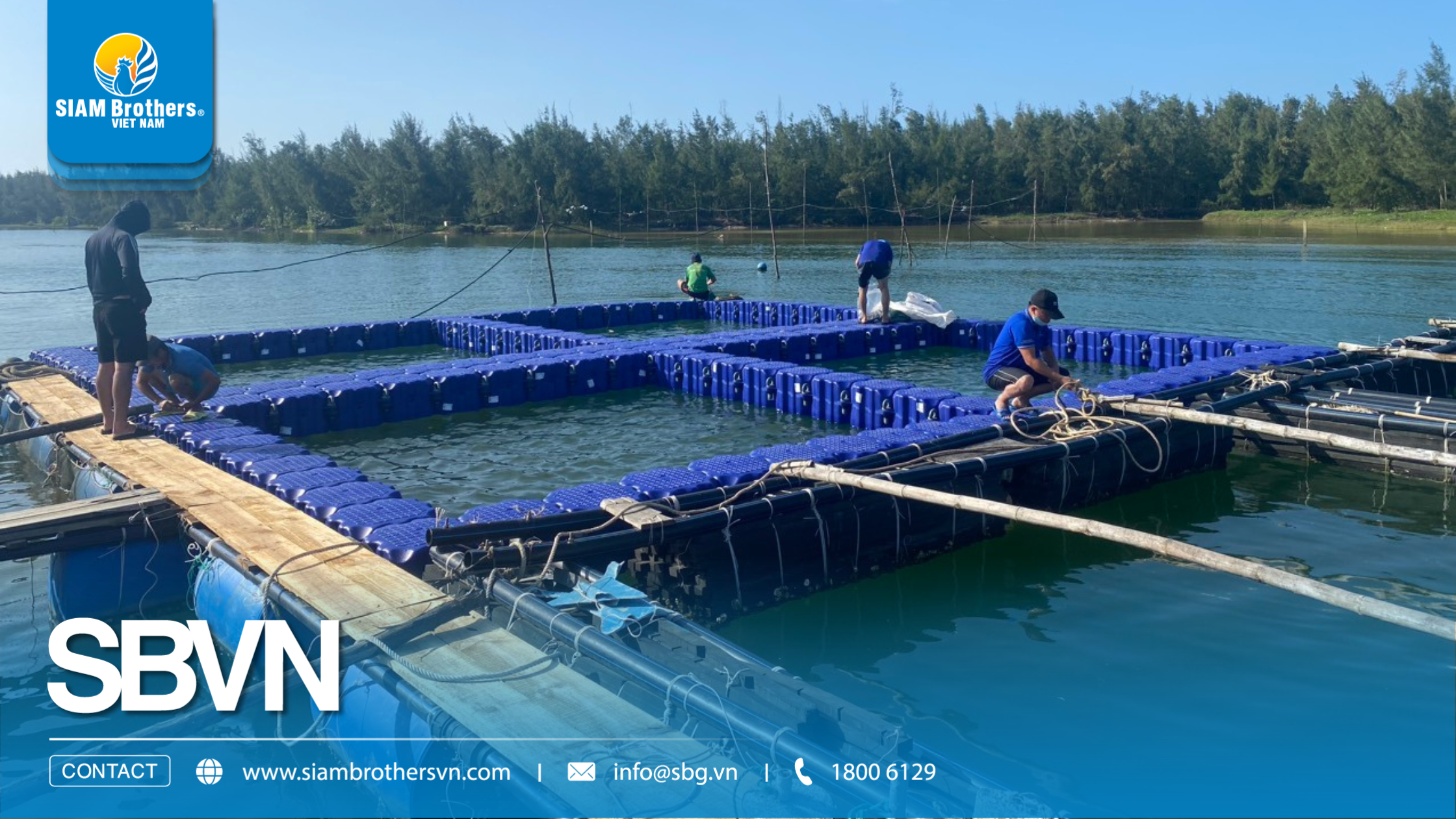
The answer depends on the operating environment and load requirements.
For example:
Choosing the right Aquaculture Rope for your specific farming conditions can significantly improve system reliability and longevity.
This is one of the most common questions among fish farmers and aquaculture operators.
PP Rope
PE Rope
In simple terms, PP rope is often chosen for affordability, while PE rope is preferred for long-term offshore performance.
Yes. However, UV resistance depends on the quality of raw materials and manufacturing technology.
Most professional-grade Aquaculture Rope products are manufactured with UV stabilizers that help:
This feature is especially important for fish cage farms, offshore aquaculture systems, HDPE floating structures, and marine infrastructure exposed to direct sunlight year-round.
There is no universal replacement schedule because rope lifespan depends on several factors:
As a general guideline:
Offshore ropes should be inspected more frequently.
Ropes showing signs of fraying, stiffness, cracking, or reduced flexibility should be replaced immediately.
In many aquaculture regions, farmers perform routine rope inspections before the storm season to minimize the risk of anchor failure and structural damage.
The appropriate rope diameter depends on:
For example:
Choosing a rope that is too small can lead to:
Choosing a rope that is too large can result in:
For the best results, consult with an experienced rope manufacturer or technical specialist before selecting rope specifications.
Today, many aquaculture companies and distributors prefer purchasing directly from manufacturers because it provides:
With decades of experience serving the fishing and aquaculture industries, SIAM Brothers Vietnam offers a wide range of Aquaculture Rope solutions for:
This allows fish farmers, distributors, and aquaculture businesses to find rope solutions tailored to their specific operational needs.
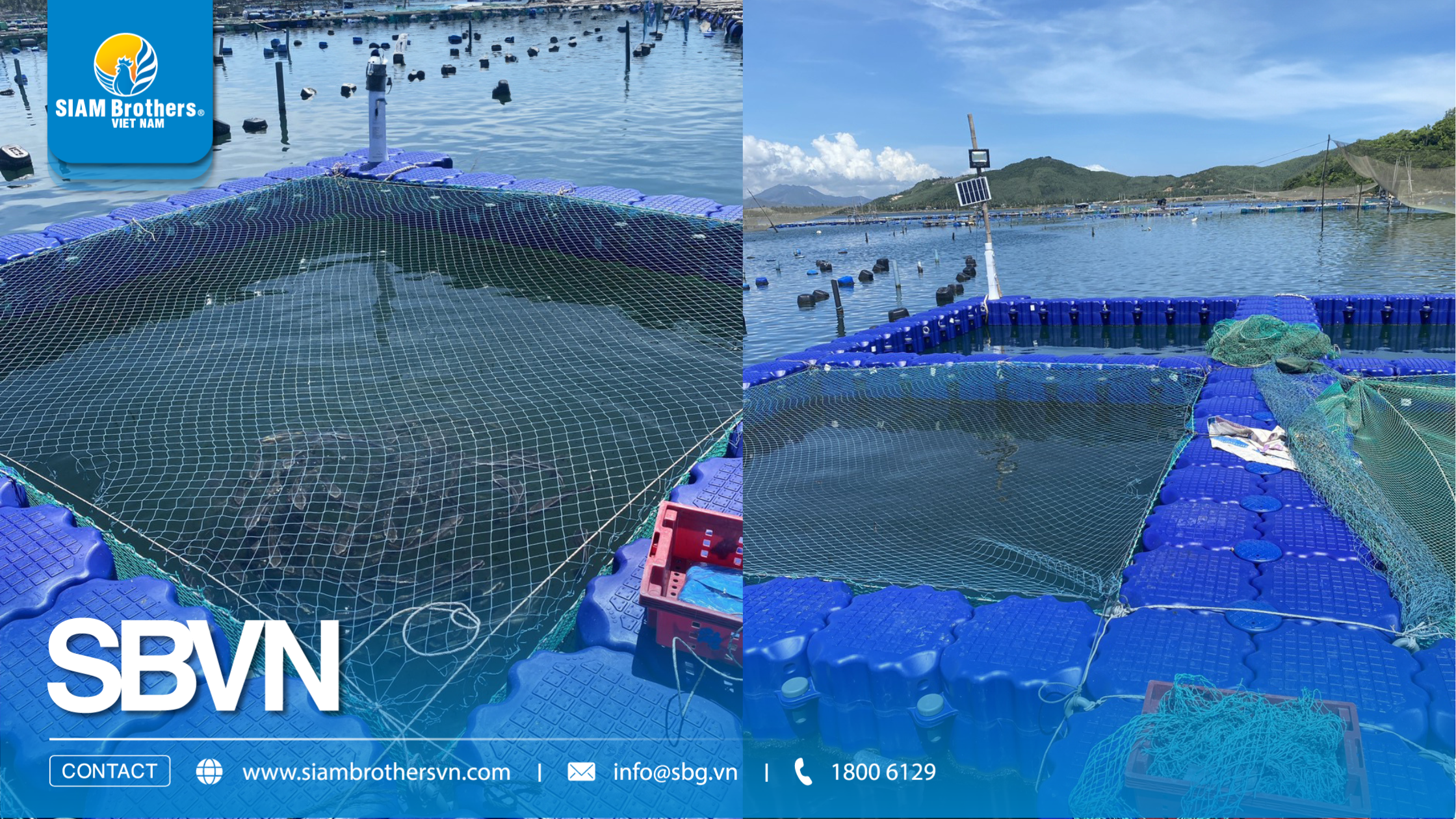
Aquaculture Rope is far more than a supporting material—it plays a critical role in the safety, durability, and long-term performance of fish farming systems, floating cages, and offshore aquaculture operations. Depending on your application, PP rope, PE rope, and Nylon rope each offer unique advantages in terms of strength, UV resistance, abrasion resistance, and cost efficiency. Selecting the right rope from the beginning can help reduce maintenance costs, improve operational reliability, and extend the service life of your aquaculture infrastructure. If you're looking for high-quality Aquaculture Rope solutions for fish farming or marine applications, contact SIAM Brothers Vietnam today for expert technical advice, competitive pricing, and products tailored to your specific operational requirements.
Source: SIAM Brothers Vietnam
Contact us:
► Address: 5th floor, VRG Building, 177 Hai Ba Trung Street., Xuan Hoa Ward, Ho Chi Minh City, Vietnam
► Hotline: 1800 6129
► Tel: (+84) 28 38 912 889
► Email: info@sbg.vn
► Follow us for more details at: Facebook - Zalo OA - Tiktok - Youtube - LinkedIn
Download SBVN ID app here:
► CHPlay
► Appstore

Source: SIAM Brothers Vietnam
Contact us:
► Address: 5th floor, VRG Building, 177 Hai Ba Trung Street., Xuan Hoa Ward, Ho Chi Minh City, Vietnam
► Hotline: 1800 6129
► Tel: (+84) 28 38 912 889
► Email: info@sbg.vn
► Follow us for more details at: Facebook - Zalo OA - Tiktok - Youtube - LinkedIn
Download SBVN ID app here:
► CHPlay
► Appstore







Specializing in Agricultural and Fisheries Products & Multipurpose Wire