
- 1800 6129

Aquaculture, also known as aquaculture farming, is the controlled cultivation and rearing of aquatic organisms such as fish, shrimp, crabs, oysters, seaweed, and other aquatic plants in environments like ponds, lakes, cages, or specialized farming systems.
According to the official definition by the Food and Agriculture Organization of the United Nations (FAO), aquaculture is the deliberate human intervention in the production process of aquatic organisms — including stocking, feeding, predator protection, and environmental management — to increase productivity. The farmer or enterprise owns the cultured stock from the beginning to the end of the production cycle.
In simple terms, it is “farming and raising crops and livestock underwater” instead of relying on wild capture from seas or rivers. This industry is growing rapidly and plays a vital role in providing a stable, safe, and sustainable source of aquatic food for billions of people worldwide.
So, what remarkable advancements is the aquaculture industry making? Let’s explore 8 interesting facts about aquaculture with Siam Brothers Vietnam right below!
One of the most interesting facts about aquaculture is the historic shift that occurred in 2022. Global fisheries and aquaculture production reached a record 223.2 million tonnes. Of this, aquaculture production hit 130.9 million tonnes, including 94.4 million tonnes of aquatic animals (fish, shrimp, oysters, etc.), accounting for 51% of the world’s total aquatic animal production (185.4 million tonnes). The farm-gate value of aquaculture production reached USD 312.8 billion, representing 59% of the total industry value.
This milestone shows that humanity is no longer entirely dependent on natural wild resources. Instead, aquaculture has become the main pillar supplying seafood to the world.
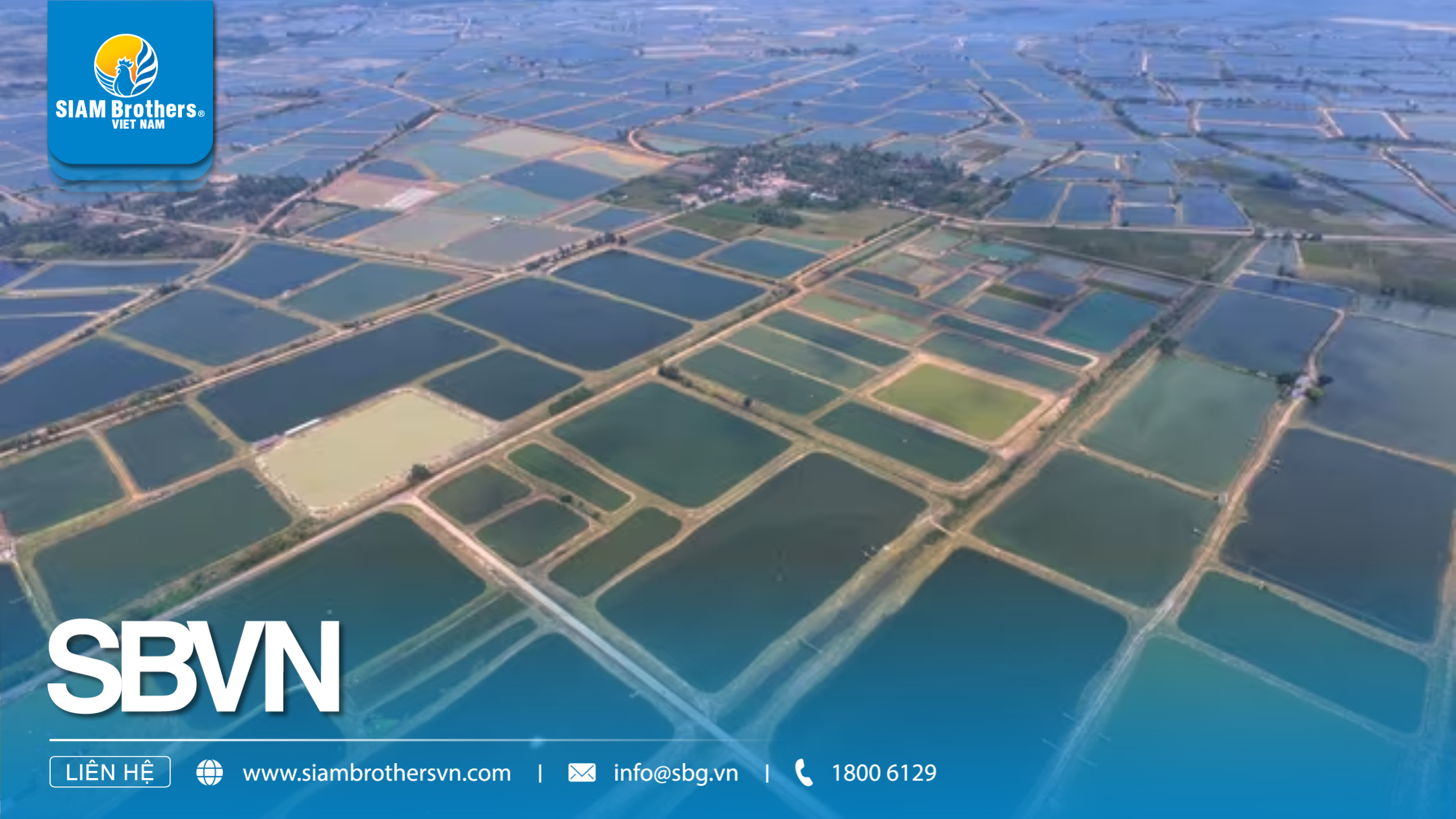
Aerial view of extensive shrimp and fish ponds - Source: The Fish Site
Asia continues to lead the world with 91.4% of global aquaculture production. Just 10 countries — including China, Indonesia, India, Vietnam, and others — accounted for 89.8% of total output. This dominance stems from long-standing traditions, vast water surface areas, and increasingly advanced technology.
Per capita seafood consumption worldwide has increased from 9.1 kg (in 1961) to 20.7 kg (in 2022). Aquatic food from aquaculture supplies at least 20% of animal protein for more than 3.2 billion people. In 2022, 89% of aquatic animal production was used directly for human consumption. This is a fascinating fact proving that aquaculture is not only an economic sector but also an important nutritional solution for humanity.
Aquaculture provides employment for approximately 61.8 million people in primary production, of which 24% are women. In post-harvest and processing stages, the proportion of women rises to 62%. The industry is contributing significantly to poverty reduction and empowering women in rural and coastal areas.
Compared to raising cattle, pigs, or chickens, fish and other aquatic species convert feed into protein much more efficiently. Aquaculture uses less land and freshwater and has a lower carbon footprint. Modern technologies such as RAS (Recirculating Aquaculture Systems) can reuse water up to 99%, helping protect the environment.
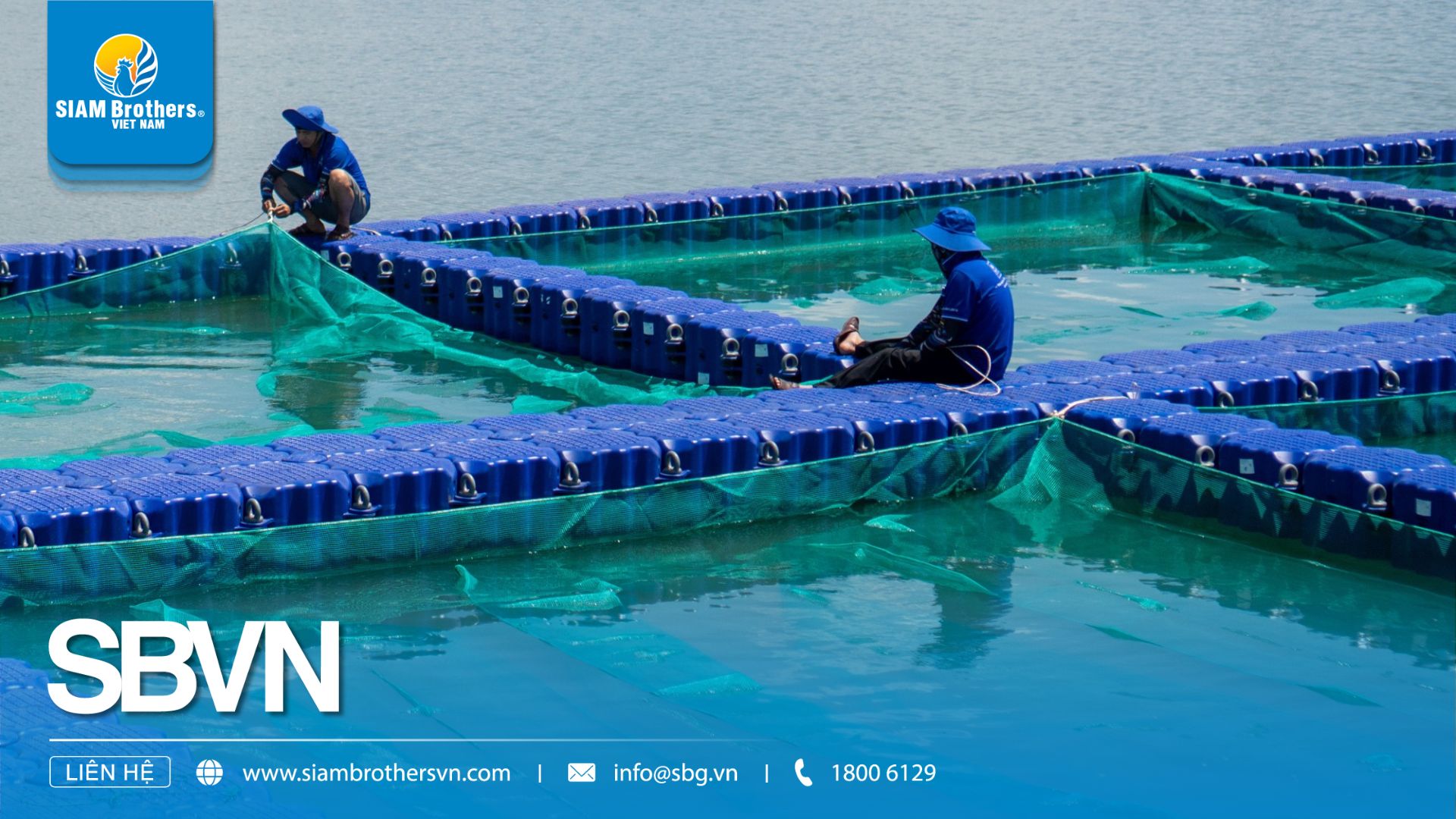
Source: SIAM Brothers Vietnam
In 2022, global seafood trade reached a record USD 195 billion, a 19% increase compared to pre-pandemic levels. Net exports of aquatic products from low- and middle-income countries exceeded the combined value of many other agricultural products.
The FAO is promoting “Blue Transformation” — a green transformation in aquaculture to reduce environmental risks and adapt to climate change. This is the inevitable direction for the industry’s future.
The Mekong Delta contributes over 70% of Vietnam’s total aquaculture production. This region is the “kingdom” of pangasius (tra fish), with production reaching approximately 1.67 million tonnes in 2024 (accounting for more than 50% of global pangasius output). In 2025, aquaculture in the Mekong Delta continues to grow thanks to high-tech applications and sustainable models. It not only creates jobs but also leads the green transformation for the entire industry.
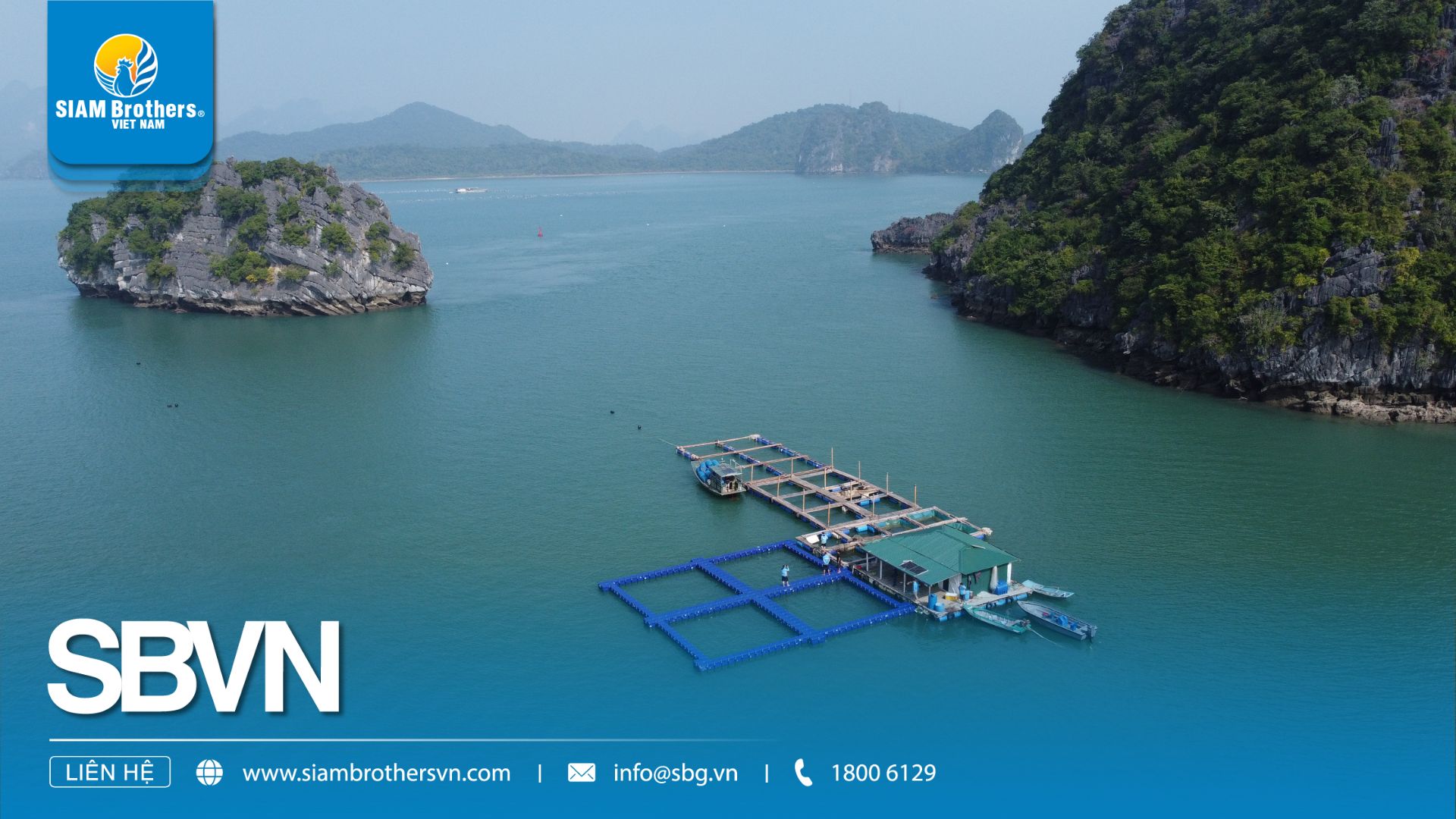
Source: SIAM Brothers Vietnam
Aquaculture not only brings economic value but also makes important contributions to sustainable development. With its current growth momentum, Vietnam holds a very advantageous position on the world map.
Through these 8 facts about aquaculture, it is clear that the industry is not only the “green protein bank” of the future but also a major economic driver for Vietnam. With strong growth and sustainable transformation, aquaculture is opening up huge opportunities for investors and farmers alike.
Siam Brothers Vietnam is always ready to accompany you, providing the latest updates on aquaculture as well as comprehensive solutions for the industry.
Read more: HDPE Modular Float Model by Siam Brothers Vietnam Boosts Aquaculture Productivity
Source: SIAM Brothers Vietnam
Contact us:
Address: 5th floor, VRG Building, 177 Hai Ba Trung Street, Vo Thi Sau Ward, Ho Chi Minh City, Vietnam
Tel: (+84) 28 38 912 889
Hotline: 1800 6129
Facebook: www.facebook.com/siambrothersvn
Email: info@sbg.vn
YouTube: youtube.com/@siambrothersvietnam1728
OA Zalo: zalo.me/1402339229697925373
App SBVN ID:
CHPlay: https://bit.ly/SBVNID-Android
Appstore: https://bit.ly/SBVNID-iOS








Specializing in Agricultural and Fisheries Products & Multipurpose Wire