
- 1800 6129

Maritime culture is shaped not only by fishing activities but also by beliefs, festivals, vessels and knowledge passed down through generations. From whale worship among Vietnamese fishing communities to horseback shrimp fishing in Belgium, each coastal community has developed its own way of adapting to and living with the sea. Join SIAM Brothers Vietnam as we explore 10 unique fishing traditions from 10 countries around the world...
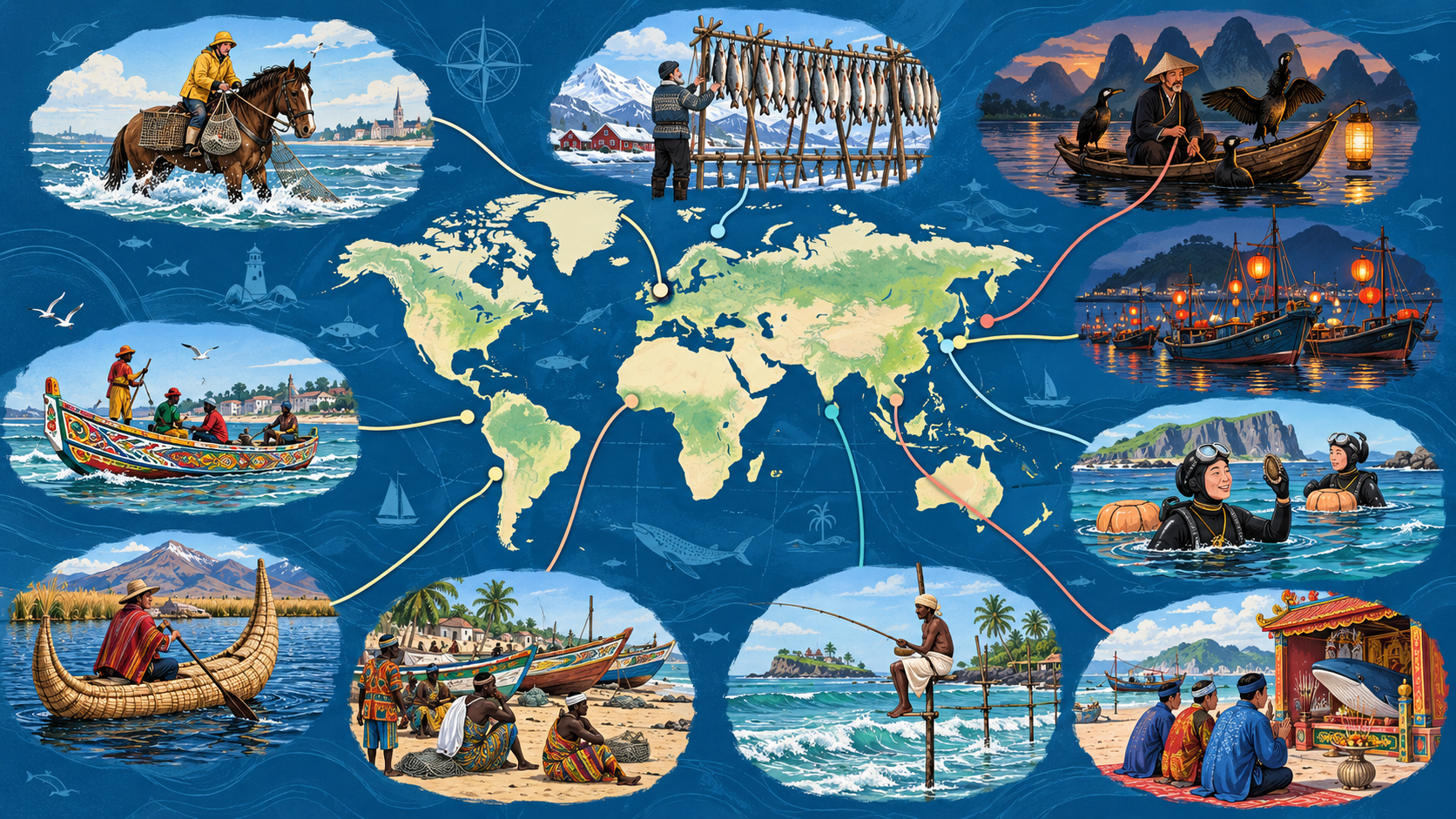
Maritime Culture Around the World
Maritime culture encompasses the customs, beliefs, knowledge and ways of life developed by people whose livelihoods depend on the sea. For fishing communities, the ocean is both a vital source of food and income and an unpredictable environment filled with natural risks.
Over time, coastal communities have developed ceremonies for safe voyages, traditional fishing methods, boatbuilding techniques and rules for managing marine resources. Some practices remain essential to local livelihoods, while others are now preserved as cultural symbols, community festivals or forms of living heritage.
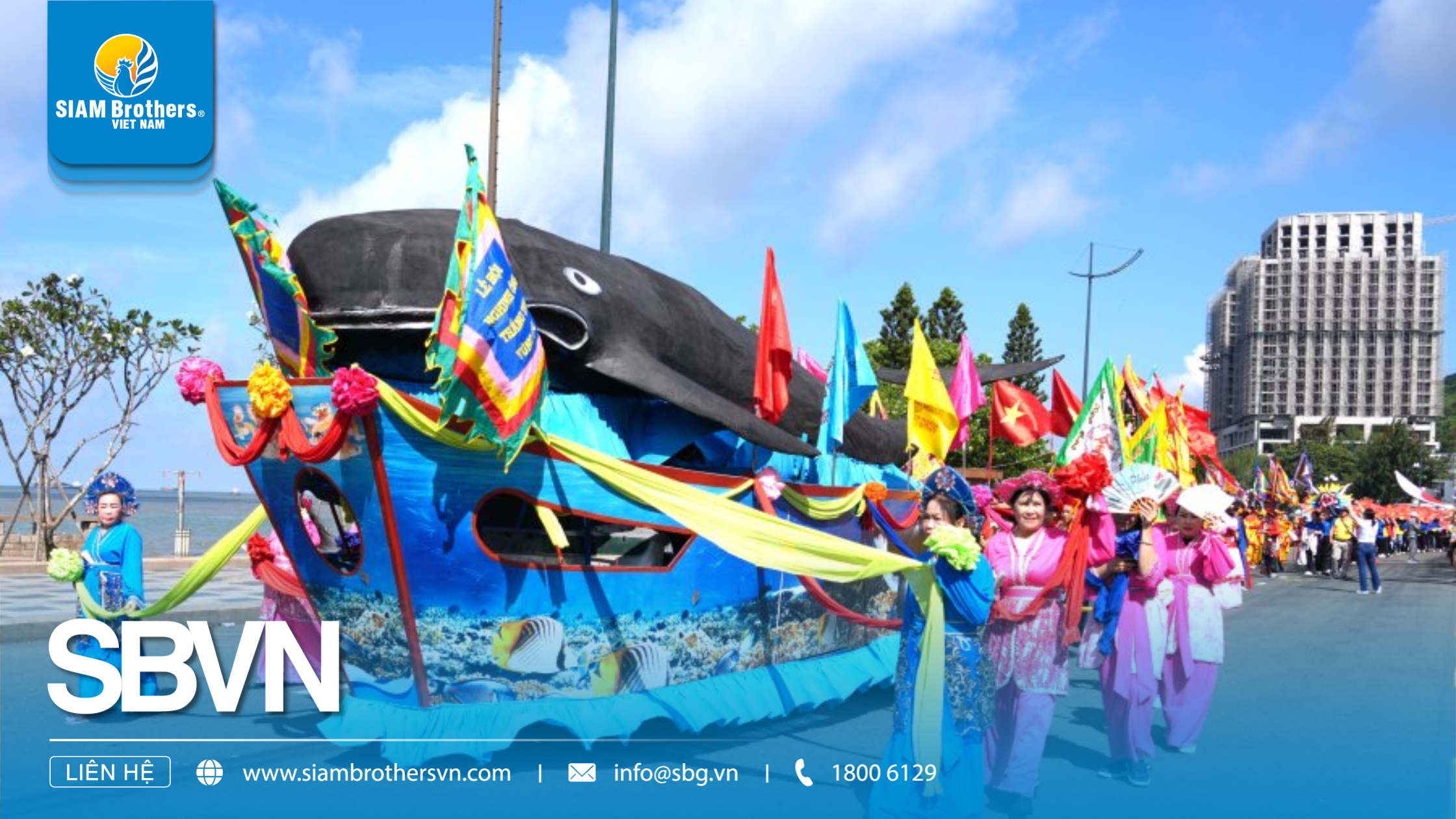
Vietnam: Whale Worship - Source: Internet
In many coastal communities across central and southern Vietnam, whales are respectfully referred to as “Cá Ông,” meaning “Lord Whale.” According to local beliefs, whales may help vessels and rescue fishermen who encounter storms or dangerous waves at sea.
When a whale washes ashore, some communities hold a formal burial and later worship it at a dedicated temple known as a lăng Ông. Nghinh Ông festivals are also organised in several coastal regions to honour the whale, pray for favourable weather and wish fishermen safe voyages.
This tradition represents an important aspect of Vietnamese maritime culture. It reflects the respect, gratitude and spiritual connection that fishing communities have developed toward the sea and the animals believed to protect them.
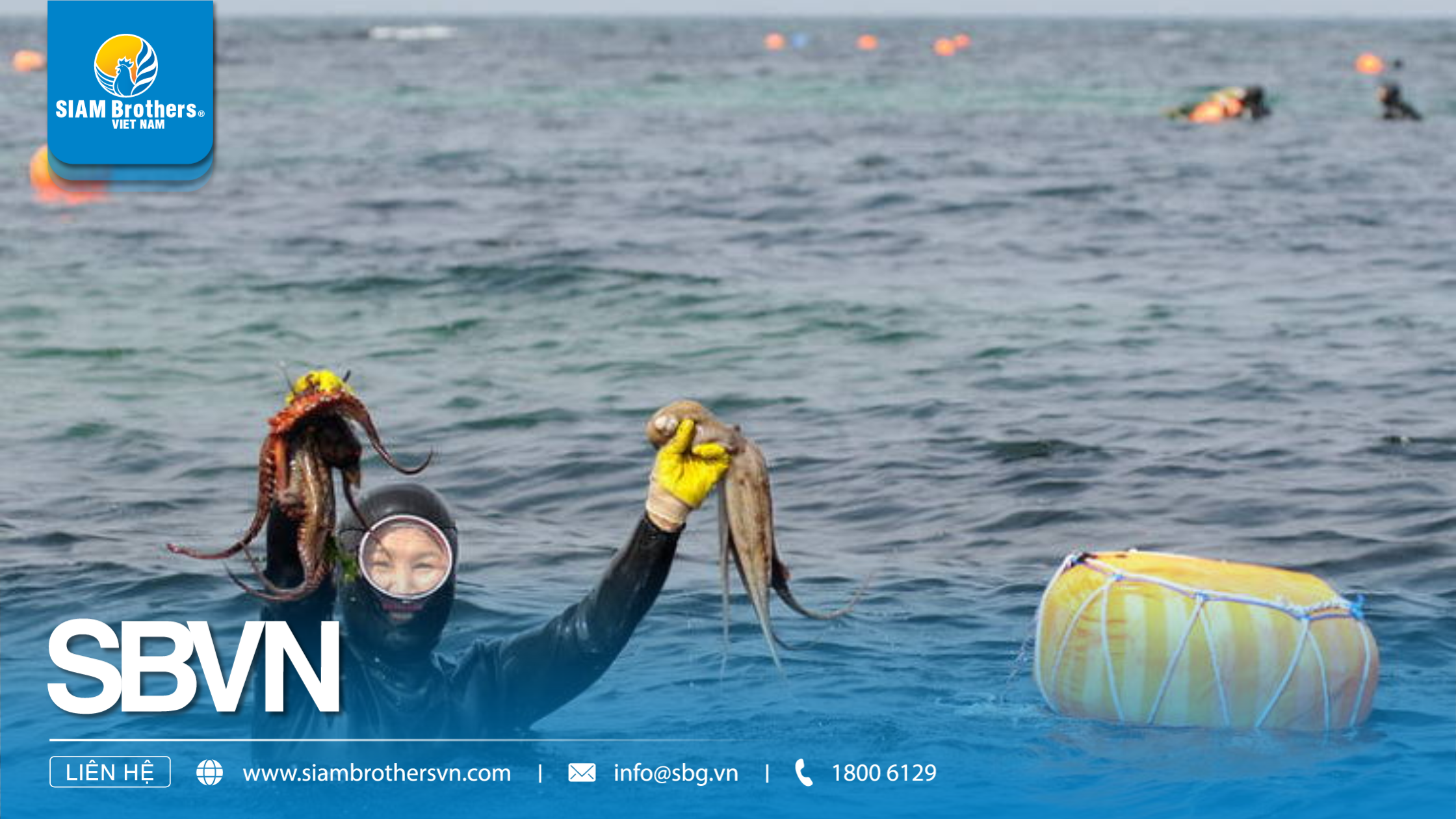
South Korea: The Haenyeo Women Divers of Jeju - Source: Internet
Haenyeo is the name given to the women divers of Jeju Island who harvest seaweed, abalone, sea urchins and other marine products. They dive without oxygen tanks, relying on their ability to hold their breath, read currents and recognise changes in weather and sea conditions.
Their diving knowledge has been passed down through generations, creating a close-knit community in which older divers often teach younger women. Haenyeo culture was added to UNESCO’s Representative List of the Intangible Cultural Heritage of Humanity in 2016.
Today, the number of active Haenyeo is declining because many divers are elderly and fewer young people are choosing to continue the profession. Even so, the tradition remains a powerful symbol of Jeju’s identity, women’s labour and community-based knowledge of the sea.
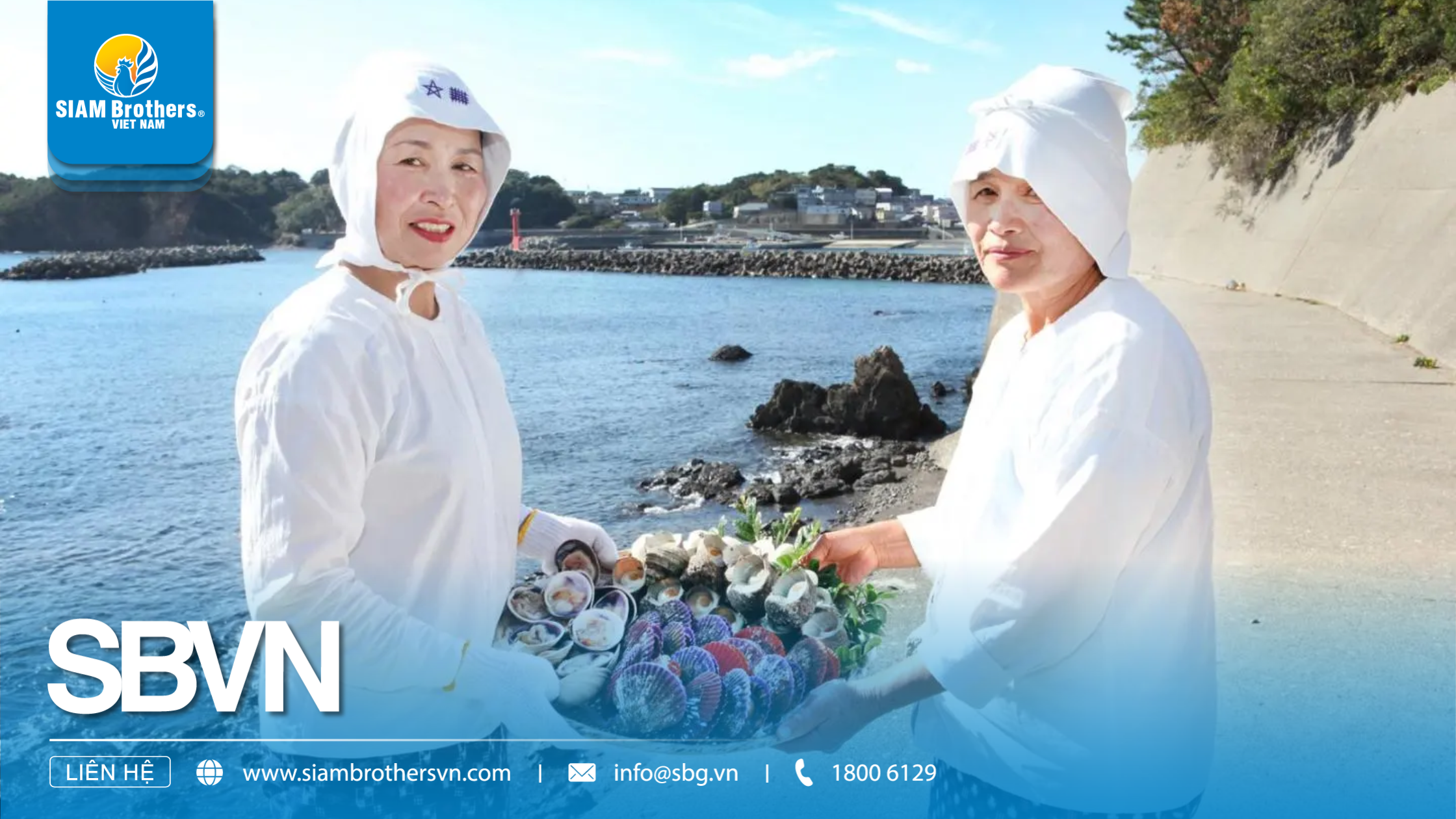
Japan: The Ama Diving Tradition - Source: Internet
Japan has its own community of female free divers known as Ama, a term commonly understood as “women of the sea.” Ama divers are particularly associated with Mie Prefecture, Toba and the Shima Peninsula, where they traditionally collect abalone, shellfish and seaweed.
The profession requires detailed knowledge of seasons, water temperatures and the natural habitats of different marine species. Ama divers must also understand when particular areas should be left undisturbed to allow marine resources to recover.
In some communities, restrictions on harvesting periods and the minimum size of collected seafood contribute to the protection of nearshore resources. Museums, cultural centres and tourism experiences now help introduce visitors to the Ama tradition while supporting efforts to preserve its knowledge and history.
In Oostduinkerke, Belgium, a small number of fishermen continue the unusual tradition of riding large draft horses into shallow coastal waters to catch shrimp. Each horse pulls a funnel-shaped net across the seabed, disturbing shrimp hidden beneath the sand and guiding them into the net.
This method depends on tides, weather, the strength of the horse and the fisherman’s ability to control the animal in moving water. It once existed in several areas along the North Sea but is now mainly maintained in Oostduinkerke.
Horseback shrimp fishing was added to UNESCO’s Representative List of the Intangible Cultural Heritage of Humanity in 2013. Today, it remains both a working fishing practice and a distinctive symbol of Belgian maritime culture.
Some fishing communities in Ghana observe a customary day on which fishermen do not go to sea. Tuesday is commonly recognised as the traditional fishing holiday in several locations, although the specific day and local rules may vary between communities.
According to traditional beliefs, the day allows the sea and its associated spiritual forces to rest. From an environmental perspective, a regular day without fishing also creates a brief recovery period for marine resources.
These customs are usually maintained through community rules rather than a single nationwide practice. Fishermen who violate them may have to explain their actions to local fishing leaders or face penalties established by the community. The tradition shows how spiritual beliefs and informal resource management can exist together.
The Argungu Fishing Festival is held in Kebbi State, Nigeria. Its most famous activity is a fishing competition in which large numbers of participants enter the river and attempt to catch fish using traditional equipment such as handmade nets, gourds and baskets.
The winner is generally the participant who catches the largest fish within the allotted time. The festival also features music, wrestling, performances and other community activities.
Beyond demonstrating fishing skills, Argungu represents cooperation, reconciliation and unity among communities in the region. The festival was added to UNESCO’s Representative List of the Intangible Cultural Heritage of Humanity in 2016 and remains one of Nigeria’s most recognisable cultural events.
Almadraba is a traditional tuna-fishing method practised along the southern coast of Spain, particularly in Cádiz. Fishermen install a fixed system of interconnected nets and chambers to intercept bluefin tuna as they migrate through the Strait of Gibraltar.
The process requires careful preparation and cooperation among many workers. Teams must install the nets, monitor tuna movements and coordinate the final harvest at the correct time.
Almadraba is more than a fishing technique. It is connected to local cuisine, seasonal work and the identities of coastal towns. The practice continues today under fishing regulations and tuna quotas, allowing a long-standing tradition to remain part of the region’s maritime culture.
Along the waterfront of Fort Kochi in Kerala, visitors can see large fishing structures commonly known as Cheena vala, or Chinese fishing nets. Each net is attached to a wooden cantilever frame and operated with ropes, levers and heavy stones used as counterweights.
A team of fishermen works together to lower the net into the water and raise it again after a short period. Each lift may produce only a modest catch, but the repeated movement of the enormous structures has become one of Kochi’s most recognisable coastal scenes.
The Cheena vala demonstrate how a practical fishing technique can gradually become part of a city’s cultural identity. They remain connected to everyday fishing while also attracting visitors interested in the history and working life of Kochi’s waterfront.
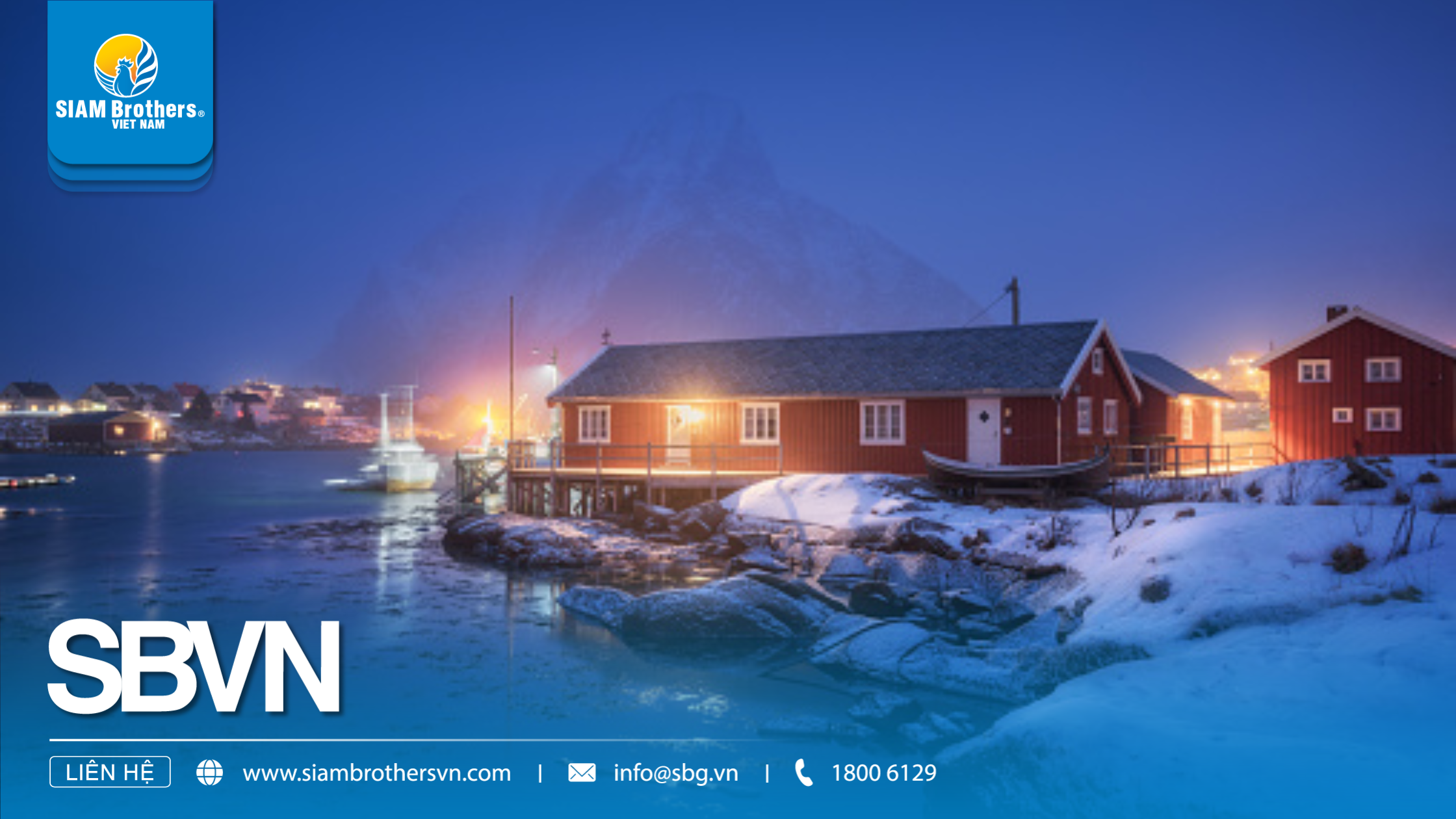
Norway: The Skrei Season and Rorbu Cabins - Source: Internet
Norway’s Lofoten Islands are closely associated with the seasonal Skrei cod fishery. During winter, mature cod migrate from the Barents Sea toward the waters of northern Norway to spawn, creating an important fishing season for coastal communities.
Historically, fishermen travelled from different regions to participate in the Lofoten fishery. During the season, many stayed in small waterfront cabins called Rorbu. These buildings were positioned close to the sea so fishermen could easily transport equipment and bring their catches ashore.
Many Rorbu cabins have now been converted into tourist accommodation. Despite this change, they remain an important symbol of Norway’s fishing history and the seasonal communities formed around the Skrei fishery.
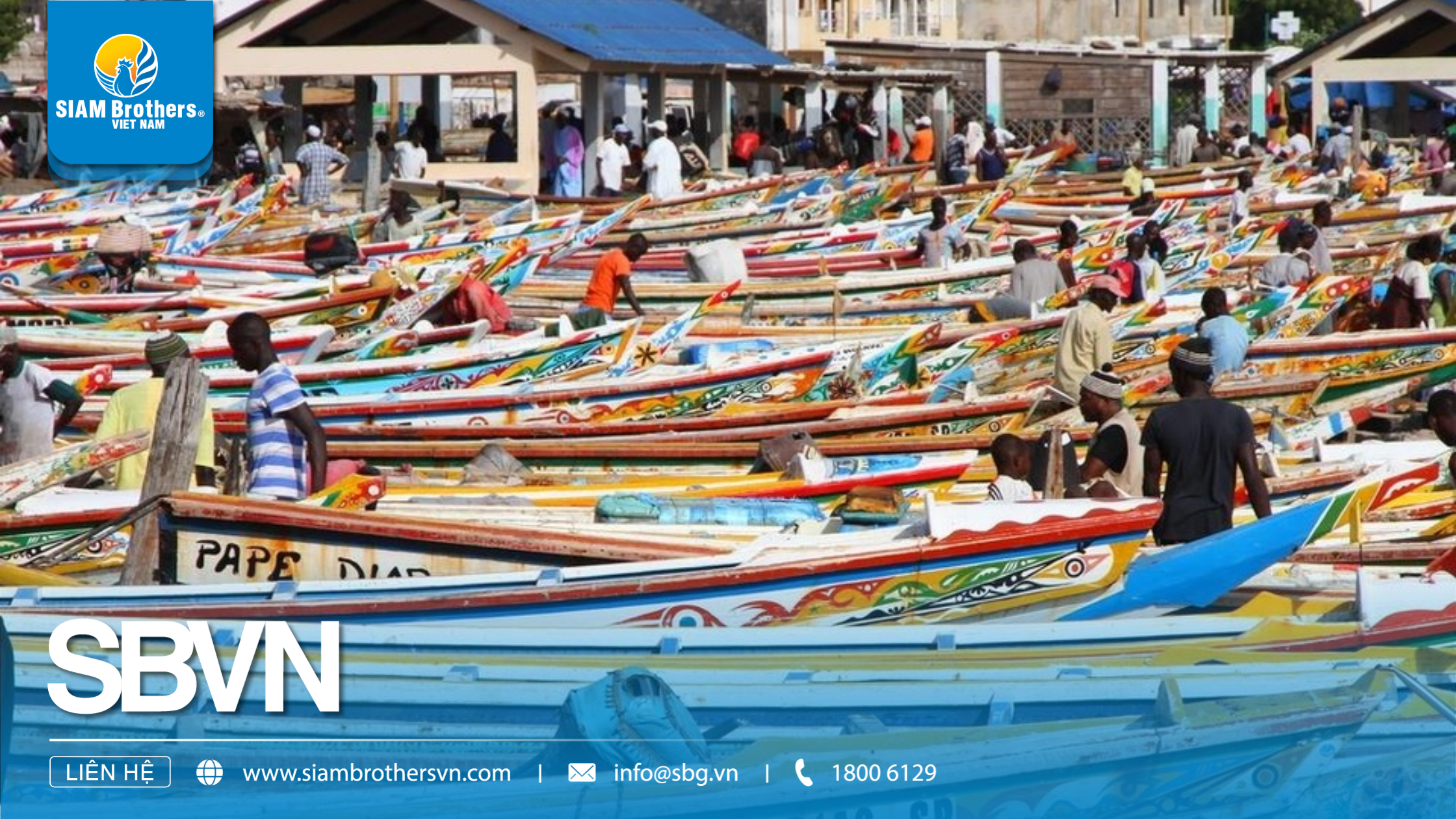
Senegal: Colourful Pirogue Fishing Boats - Source: Internet
The beaches of Senegal are known for their brightly decorated Pirogue fishing boats. These long, narrow wooden vessels are painted with geometric patterns, names, symbols and phrases that may hold personal, communal or spiritual meaning.
A Pirogue’s decoration can express the identity of its owner, crew or home community. The shape of the boat also helps fishermen travel through coastal waves and reach fishing grounds offshore.
In many fishing villages, colourful Pirogues appear alongside fish markets, net repairs and preparations for upcoming voyages. Together, these activities create a distinctive image of West African maritime culture and demonstrate how a working vessel can also become a form of cultural expression.
Although these traditions developed in regions located far apart, they all demonstrate how people have adapted to life around the sea. Across generations, fishing communities have accumulated knowledge of currents, seasons, weather patterns, marine species and community organisation.
From whale worship in Vietnam to colourful Pirogue boats in Senegal, every tradition tells a different story about the relationship between people and the ocean. Some no longer play the same economic role they once did, but they continue to hold historical value and express local identity.
Learning about and preserving maritime culture helps protect traditional knowledge while providing a broader understanding of fishing communities and marine resource use. Preservation efforts should respect the people who practise these traditions and avoid turning them into performances that are separated from their original social and cultural context.
REFERENCES
Source: SIAM Brothers Vietnam
FAQ - Frequently Asked Questions
Q: What does maritime culture include?
A: Maritime culture includes beliefs, festivals, seafaring knowledge, fishing methods, boatbuilding, cuisine and community rules developed through life around the sea.
Q: Are traditional fishing customs still practised today?
A: Some customs continue to support local livelihoods, while others are preserved through festivals, community activities, museums and cultural tourism.
Q: Why is it important to preserve maritime culture?
A: Preserving maritime culture helps protect the identity of coastal communities, retain traditional knowledge and give future generations a better understanding of fishing history.
Contact us:
Address: 5th floor, VRG Building, 177 Hai Ba Trung Street, Vo Thi Sau Ward, Ho Chi Minh City, Vietnam
Tel: (+84) 28 38 912 889
Hotline: 1800 6129
Facebook: www.facebook.com/siambrothersvn
Email: info@sbg.vn
YouTube: youtube.com/@siambrothersvietnam1728
OA Zalo: zalo.me/1402339229697925373
App SBVN ID:
CHPlay: https://bit.ly/SBVNID-Android
Appstore: https://bit.ly/SBVNID-iOS








Specializing in Agricultural and Fisheries Products & Multipurpose Wire