Storm Anchor Rope is the optimal solution for protecting fishing boats, canoes, and floating fish cages from the destructive impact of storms and rough seas. If you are unsure how to choose the right rope, install it correctly, or maintain it safely, this guide will walk you through every essential step—from selecting Nylon, Polyester, or PP materials, calculating the proper rope length, setting up an optimal anchoring layout, to tying, inspecting, and maintaining the system. Applying these practices helps secure your vessel, reduce damage risks, and ensure safer operations in Vietnamese coastal waters.
1. What Is a Storm Anchor Rope?
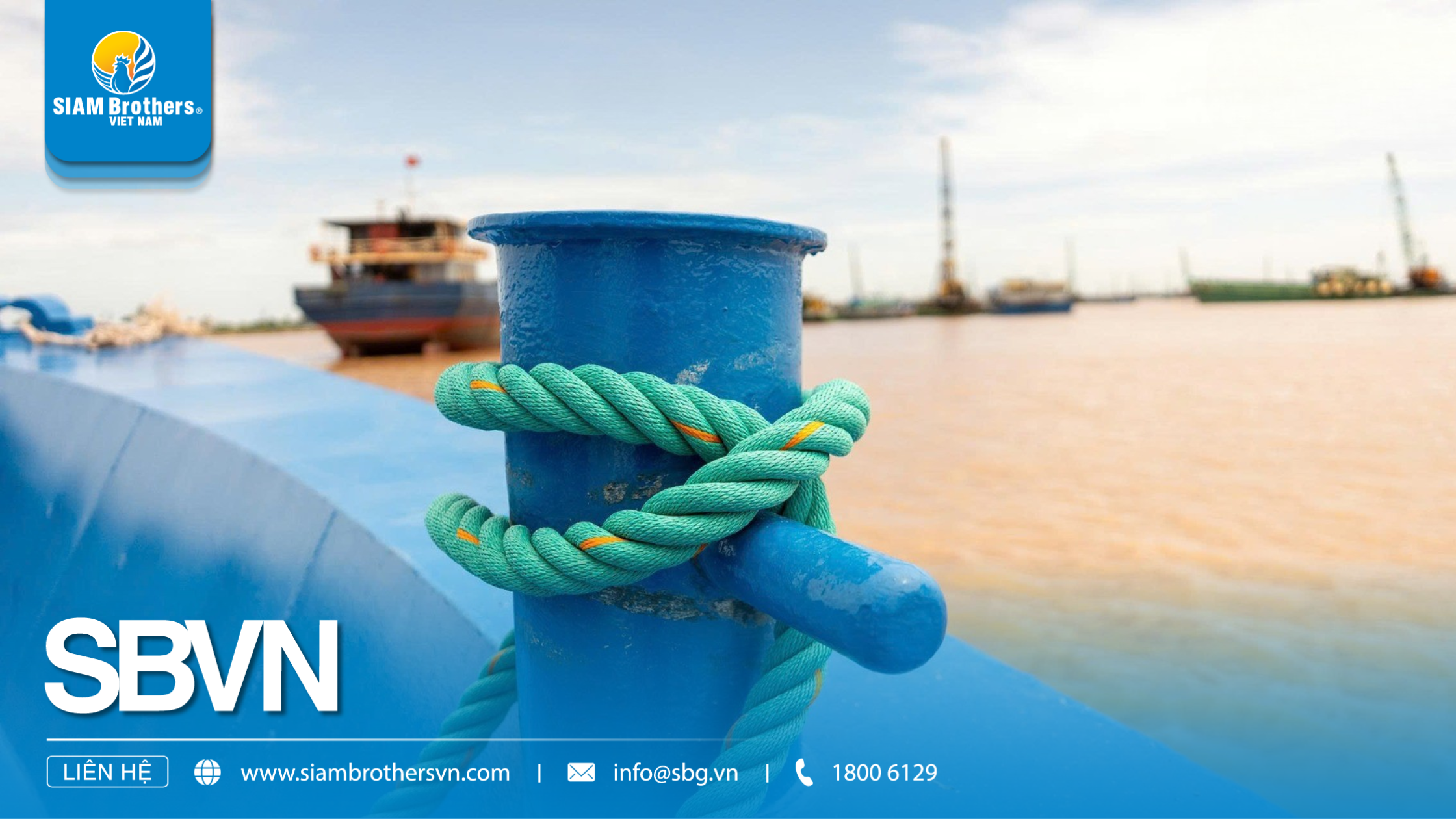
A Storm Anchor Rope is a specialized marine rope designed to secure boats, canoes, floating cages, and other watercraft during severe weather or strong storms. Understanding its characteristics and functions enables you to choose the right type, install it safely, and minimize risks to marine assets.
1.1 Key Features
- High tensile strength: A Storm Anchor Rope provides exceptional load-bearing capacity to withstand strong waves and winds during storm season.
- Controlled elasticity: Materials like Nylon offer elasticity that helps absorb shock loads, reducing direct stress on vessels or cages.
- Abrasion and marine resistance: The rope is designed to withstand seawater corrosion, UV rays, and friction from hard surfaces.
- Long-term durability: High-quality fibers ensure consistent performance over time without compromising strength.
1.2 Practical Applications
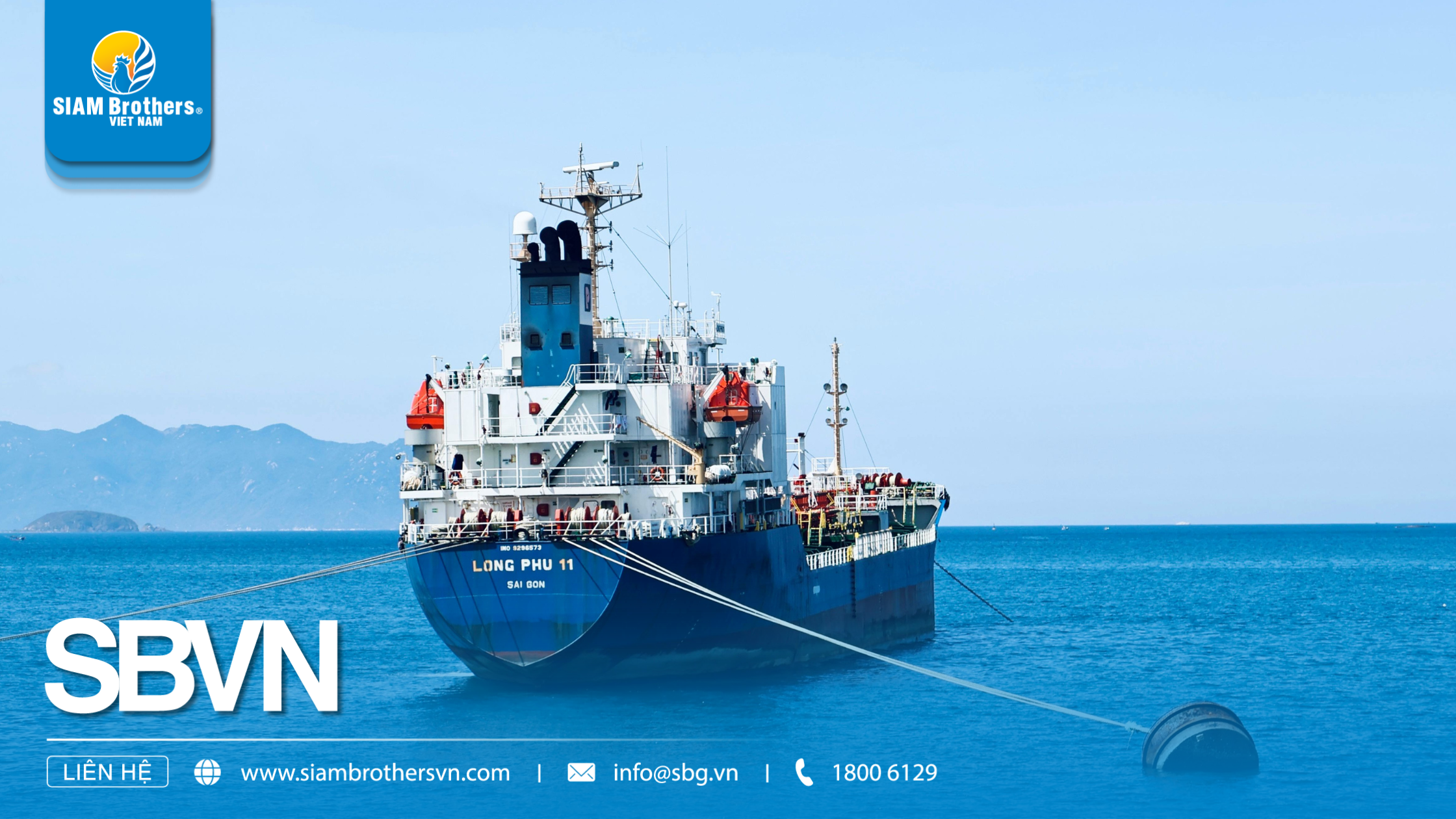
- Securing fishing boats and canoes during stormy weather or rough sea conditions.
- Stabilizing aquaculture cages and HDPE buoys to prevent drifting.
- Use in small ports, temporary mooring zones, or areas frequently exposed to strong winds.
1.3 Benefits of Choosing the Right Storm Anchor Rope
- Reduces damage to watercraft during storms.
- Enhances safety for fishermen and operators.
- Minimizes maintenance and replacement costs thanks to superior durability.
- Improves anchoring stability and maintains vessel position in harsh marine conditions.
2. When to Use a Storm Anchor Rope
2.1 Seasonal Timing
- Storm season: Preparing Storm Anchor Rope before forecasted storms or heavy rain ensures better vessel stability.
- Frequent strong winds: In coastal areas affected by Northeast or Southwest monsoons, Storm Anchor Rope helps prevent vessel drift.
2.2 Based on Sea Conditions
- Rough waves or strong currents: Storm Anchor Rope delivers high resistance to breakage or slippage under wave force or fast-flowing currents.
- Exposed or temporary anchorage zones: Essential when mooring at small ports, river mouths, or beaches directly impacted by wind and waves.
2.3 Based on Vessel Type
- Fishing boats and small canoes: Provides additional strength to prevent drifting or collisions during storms.
- Aquaculture cages and HDPE floats: Crucial for maintaining cage position and preventing structural damage.
- Tour boats or small pontoons: Enhances safety for passengers and protects valuable equipment.
2.4 Based on Usage Frequency
- Long-term mooring: Regular ropes may stretch or degrade over time, while Storm Anchor Rope maintains long-term stability.
- Mooring near obstacles: In areas with rocks, posts, or fixed structures, a Storm Anchor Rope offers better resistance and reduces impact damage.
3. Popular Types of Storm Anchor Ropes
3.1 Nylon (Polyamide) Storm Anchor Rope
- Characteristics: High elasticity, excellent tensile strength, and strong shock absorption against sudden wave or wind pressure.
- Applications: Ideal for fishing boats, small canoes, and temporary anchoring needs.
- Advantages: Helps reduce direct impact on the hull, minimizing the risk of rope failure in rough sea conditions.
- Notes: Nylon absorbs water over time, which increases its weight. Regular inspections are necessary for long-term use.
3.2 Polyester (PE) Storm Anchor Rope
- Characteristics: Low stretch, high abrasion resistance, and stable mechanical durability in marine environments.
- Applications: Suitable for long-term fixed anchoring, HDPE floating systems, and vessels at small harbors.
- Advantages: Excellent UV resistance and long-lasting anchoring performance with minimal maintenance requirements.
Notes: Due to its low elasticity, ensure the rope length is appropriately calculated to prevent excessive shock load during strong waves.
3.3 Polypropylene (PP) Storm Anchor Rope
- Characteristics: Lightweight, floats on water, and offers good resistance to saltwater, though its tensile strength is lower than Nylon and Polyester.
- Applications: Commonly used for aquaculture cages, HDPE floating buoys, pontoons, or temporary anchoring.
- Advantages: Affordable, easy to handle, and simple to maintain.
Notes: Not recommended for large vessels or long-term fixed anchoring due to its limited load capacity.
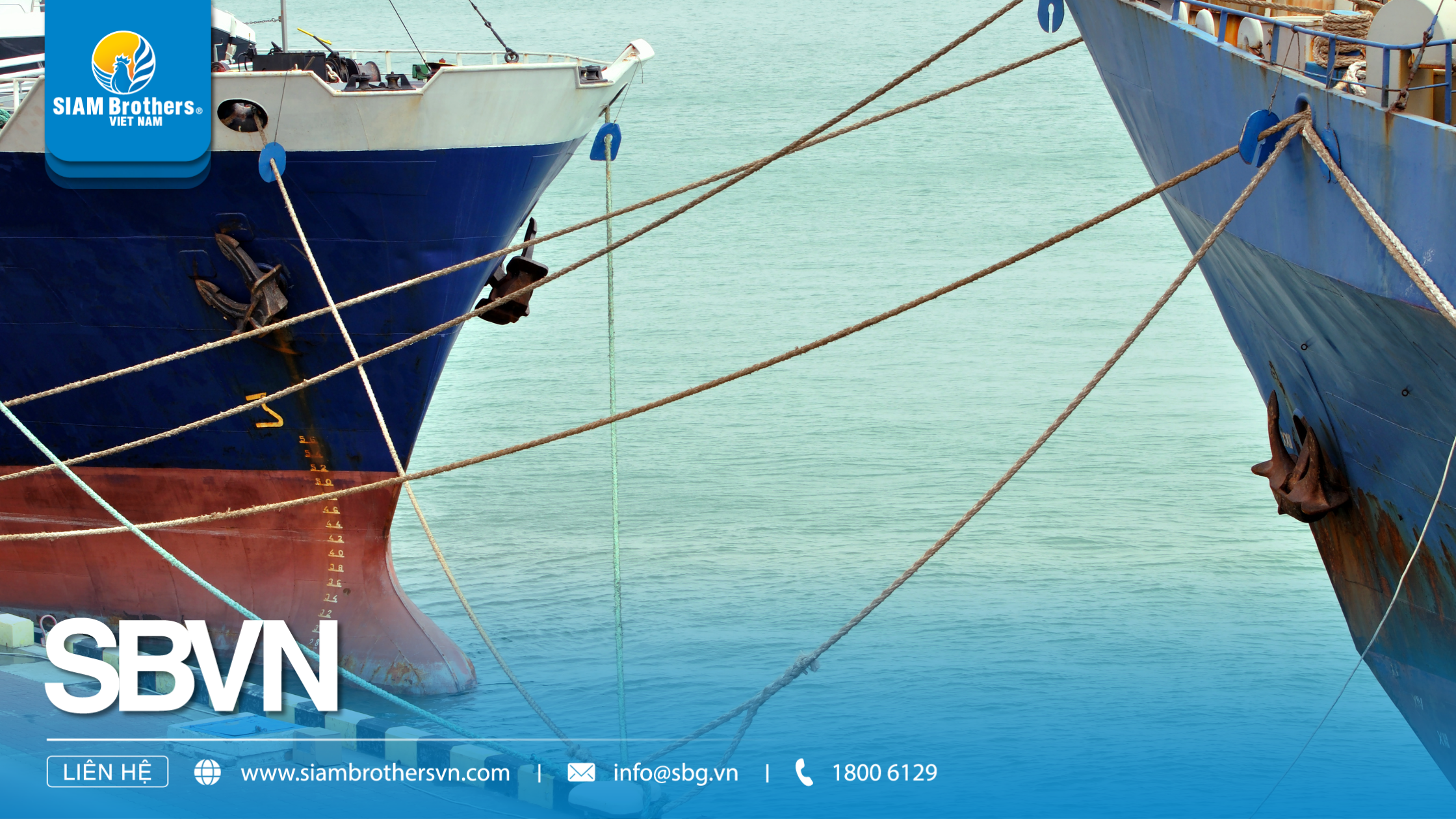
4. Key Criteria for Choosing the Right Storm Anchor Rope
4.1 Based on Material
- Nylon (Polyamide): High elasticity and strong tensile strength, effectively absorbs shock from large waves. Ideal for fishing boats and small canoes requiring temporary anchoring.
- Polyester (PE): Low stretch, excellent abrasion resistance, and stable marine durability. Suitable for long-term fixed anchoring or HDPE aquaculture systems.
- Polypropylene (PP): Lightweight and buoyant. Ideal for aquaculture cages, pontoons, or short-term anchoring.
- Composite / HDPE: Highly durable, UV-resistant, and abrasion-resistant. Recommended for permanent anchoring in harsh marine conditions.
4.2 Based on Load Capacity and Size
- Choose rope diameter and tensile strength according to the vessel’s or cage system’s weight.
- Reference formula: Rope length should be 5–7 times the water depth to ensure stability and minimize shock loads.
- Always check the Breaking Strength to guarantee the rope can withstand extreme forces during storms.
4.3 Based on Vessel Type
- Fishing boats and small canoes: Prioritize ropes with high elasticity to reduce impact force.
- Aquaculture cages and HDPE floating systems: Use ropes with high durability, abrasion resistance, and saltwater resistance.
- Tourist boats and pontoons: Require stable, low-stretch ropes for secure long-term anchoring.
4.4 Based on Environmental Conditions
- Saltwater environments: Select ropes with strong UV and corrosion resistance to maintain long-term performance.
- Areas with strong waves or currents: Prefer elastic ropes or composite materials to reduce direct load impact.
- Temporary anchoring at river mouths or small harbors: PP floating ropes may be suitable but must be inspected frequently to ensure safety.
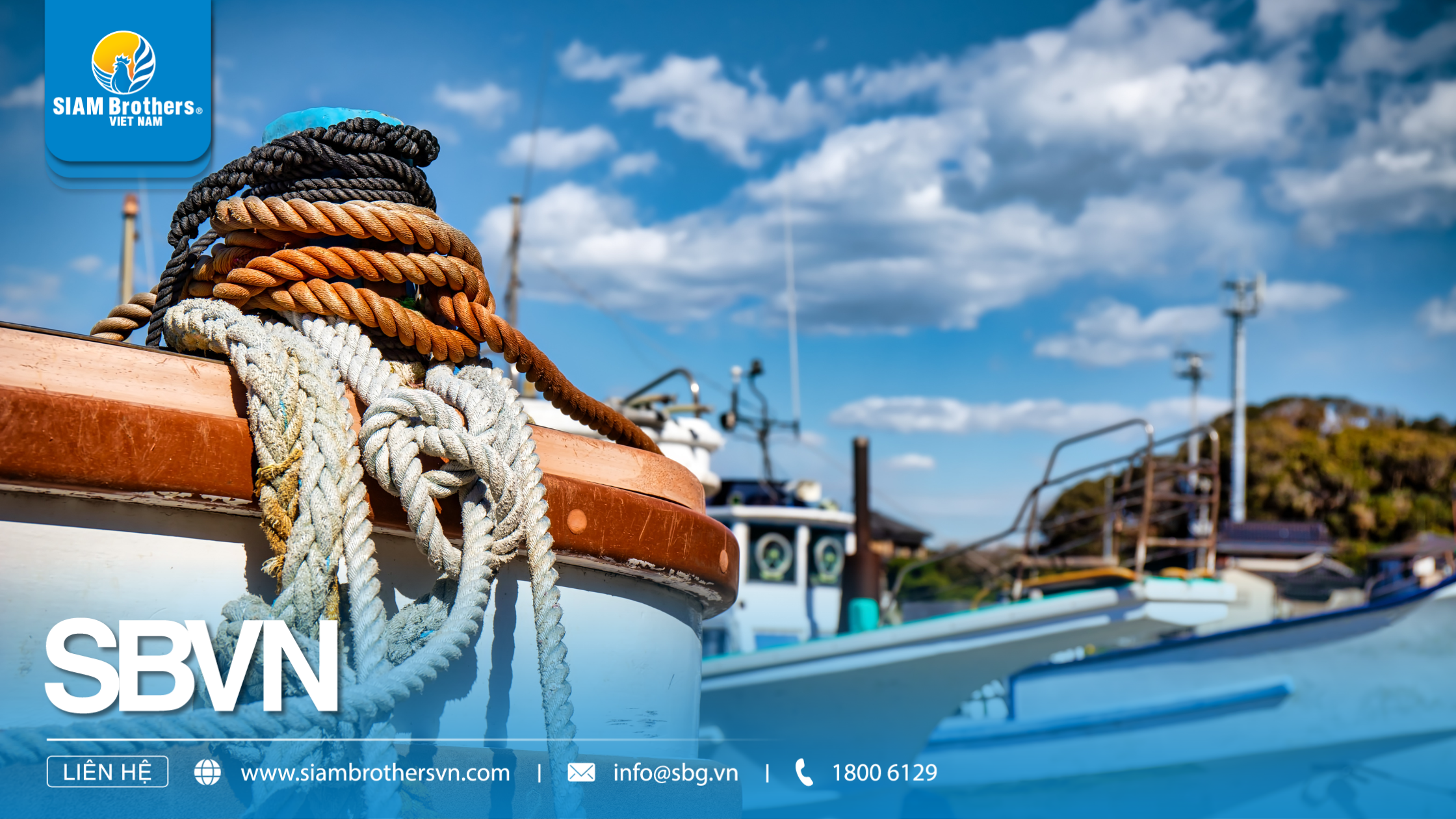
5. Technical Guidelines for Installing a Storm Anchor Rope
5.1 Preparations Before Installation
- Inspect the Storm Anchor Rope: Ensure the rope is free from wear, fraying, cuts, or structural damage before use.
- Select a Suitable Anchoring Point: Choose a stable seabed free from obstacles and avoid areas with strong currents.
- Prepare the Necessary Accessories: Shackles, anchor locks, pulleys, and rigging hardware must be compatible with the rope and anchoring system.
- Determine the Appropriate Rope Length: Typically 5–7 times the water depth to maintain stability and reduce shock loads.
- Secure the rope to the vessel or floating platform using reliable safety knots that are strong and easy to inspect.
- Position the anchor properly on the seabed to prevent dragging or displacement.
5.3 Inspection and Adjustment
- After deployment, check that the rope maintains moderate tension — not too loose and not overly tight.
- Adjust the anchoring direction to reduce direct impact from waves and wind.
- Inspect the system frequently throughout the storm season, especially after strong winds or rough waves.
5.4 Safety Notes During Installation
- Always wear life jackets and protective gear when working on boats or floating platforms.
- Avoid standing directly above or on the anchor during deployment to prevent accidents.
- Ensure all crew members follow proper anchoring procedures to maintain safety and efficiency.
-
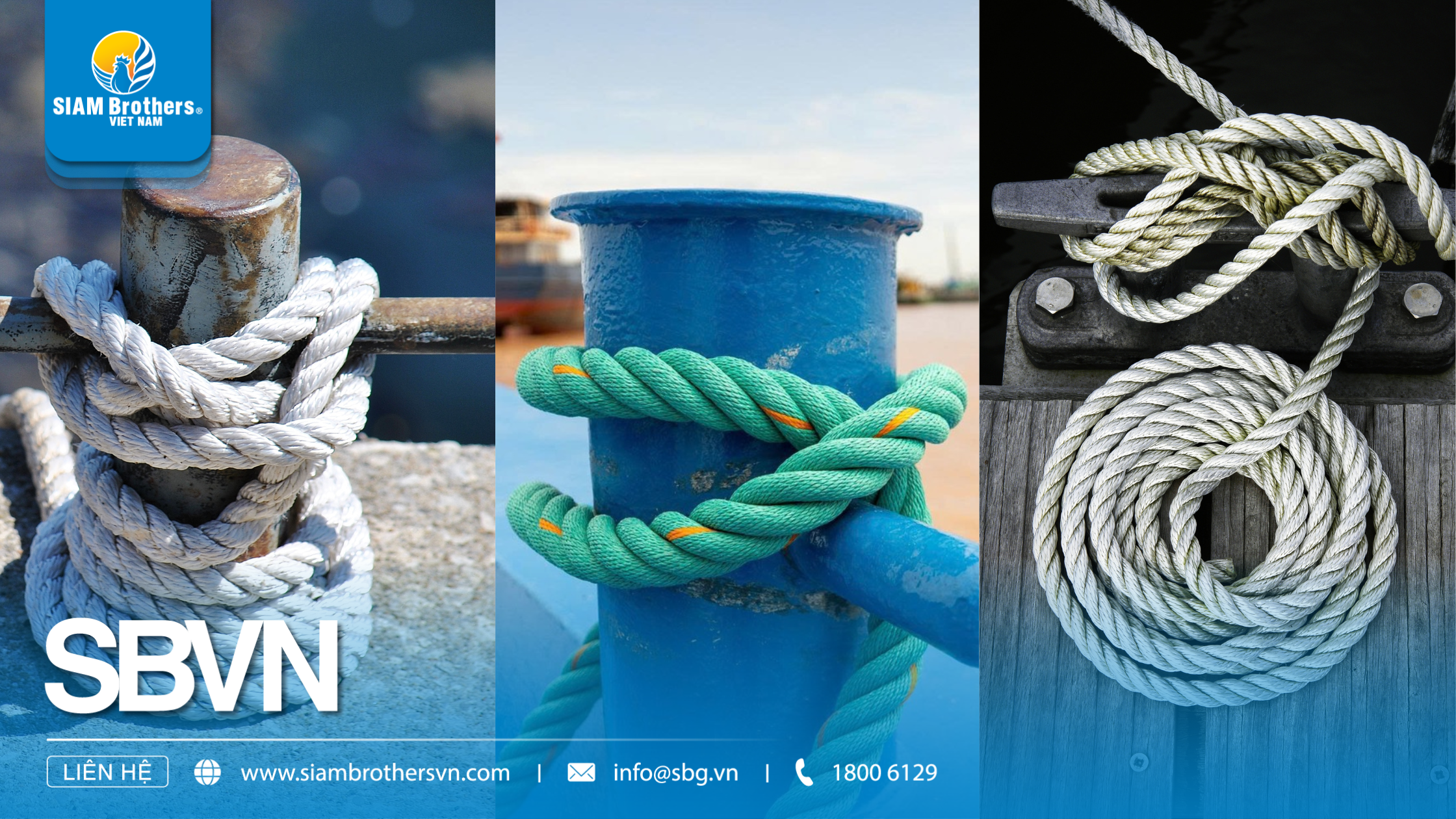
6. Recommendations for Choosing a Storm Anchor Rope for Different Scenarios
6.1 For Fishing Boats and Small Canoes
- Recommended Material: Nylon
- Why: High elasticity, excellent shock absorption, suitable for temporary anchoring during storms without damaging the hull.
- Suggested Length: 5–7 times the water depth for better load distribution.
6.2 For Aquaculture Cages and HDPE Floating Buoys
- Recommended Material: Polyester or Composite Rope
- Why: Superior durability, UV resistance, and long-term stability in marine environments.
- Installation Tip: Use multiple fixed anchoring points to distribute tension and prevent drifting.
6.3 For Tourist Boats, Pontoons, or Permanent Anchoring Systems
- Recommended Material: Polyester or Composite Rope
- Why: Low stretch, stable load performance, and long service life — ideal for long-term secure anchoring.
- Maintenance Tips: Conduct periodic inspections, clean the rope, and replace any worn or damaged segments.
6.4 For Temporary Anchoring in Small Harbors or River Mouths
- Recommended Material: Polypropylene (PP)
- Why: Lightweight, buoyant, easy to handle, and cost-effective.
- Notes: Not suitable for large vessels or long-term anchoring; frequent inspections are required.
6.5 Summary of Rope Selection by Scenario
- Small boats / temporary anchoring: Nylon
- Aquaculture cages / HDPE buoys: Polyester, Composite
- Tourist boats / permanent anchoring: Polyester, Composite
- Temporary anchoring in harbors or river mouths: PP
7. FAQs – Frequently Asked Questions About Storm Anchor Ropes
7.1 How Is a Storm Anchor Rope Different From a Regular Anchor Rope?
- Key Differences: Storm Anchor Ropes are engineered with higher tensile strength, enhanced abrasion resistance, UV protection, and superior saltwater durability.
- Benefits: Provide stronger holding power during storms, reducing the risk of anchor drag or rope failure.
7.2 When Should a Storm Anchor Rope Be Replaced?
- When signs of wear, frayed strands, or visible deformation appear.
- When the rope has exceeded the manufacturer’s recommended lifespan.
- After strong storms — inspect thoroughly and replace if tensile strength appears compromised.
7.3 Which Storm Anchor Rope Is Suitable for HDPE Aquaculture Cages?
- Recommended: Polyester or Composite ropes.
- Reason: High durability, UV resistance, and strong load performance to protect cages, buoys, and farmed stock.
7.4 How to Properly Maintain a Storm Anchor Rope?
- Clean the rope after each use to remove sand, mud, salt, or debris.
- Store it in a dry, shaded place away from direct sunlight.
- Perform routine inspections before and after every storm season.
7.5 Can a Storm Anchor Rope Be Used for Temporary Anchoring?
- Yes. Nylon or PP ropes are ideal for short-term anchoring due to their light weight and ease of handling.
- Note: Do not use temporary anchoring ropes for large vessels or long-term applications due to limited load capacity.
7.6 How to Determine the Proper Length of a Storm Anchor Rope?
- The rope length should be 5–7 times the water depth to maximize stability and reduce shock loads.
- Adjust accordingly based on wave conditions, current strength, and vessel weight.
7.7 Where to Buy High-Quality Storm Anchor Ropes?
- Choose reputable suppliers with expertise in rope and marine equipment — such as SIAM Brothers Vietnam, known for professional production and distribution.
- Check key technical specifications: breaking strength, stretch rate, UV and saltwater resistance — all essential for storm anchoring.
- Request certification or load-testing documents from the manufacturer or third parties for added assurance.
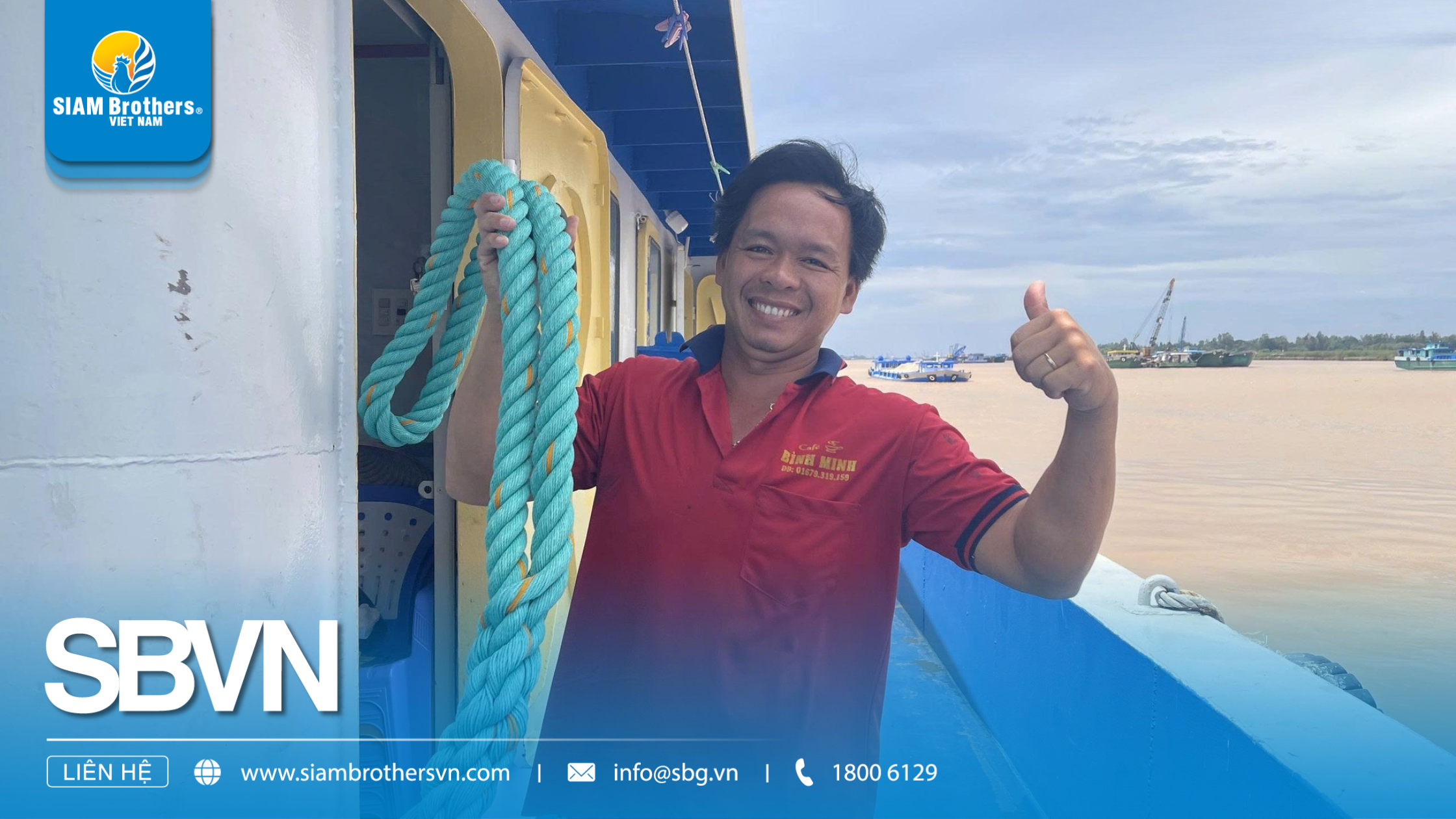
Storm Anchor Ropes are essential for protecting fishing boats, canoes, aquaculture cages, and HDPE floating systems during strong waves, harsh winds, and storm seasons. Choosing the right material, installing the rope properly, and performing regular maintenance not only enhance safety but also extend the lifespan of both the rope and your equipment.
Evaluate your anchoring needs based on material type, load capacity, environmental conditions, and application. Always inspect and replace worn ropes promptly to ensure maximum safety.
For reliable, durable, and high-performance Storm Anchor Ropes, contact SIAM Brothers Vietnam for expert consultation and optimal anchoring solutions for the upcoming storm season.
Source: SIAM Brothers Vietnam
Contact us:
► Address: 5th floor, VRG Building, 177 Hai Ba Trung Street., Xuan Hoa Ward, Ho Chi Minh City, Vietnam
► Hotline: 1800 6129
► Tel: (+84) 28 38 912 889
► Email: info@sbg.vn
► Follow us for more details at: Facebook - Zalo OA - Tiktok - Youtube - LinkedIn
Download SBVN ID app here:
► CHPlay
► Appstore