
- 1800 6129

The Principles of Pest and Disease Control are a fundamental foundation that determines productivity and profitability in modern agriculture—yet many farmers and producers do not apply them correctly from the beginning of the crop cycle. As input costs continue to rise and pest outbreaks become increasingly complex, understanding and properly implementing the Principles of Pest and Disease Control based on the Integrated Pest Management (IPM) approach can reduce crop losses by 30–50% while optimizing plant protection costs.
Instead of reacting only after pests and diseases have already spread, farmers and agricultural enterprises must shift toward a preventive mindset. This involves regular monitoring, early detection, and the controlled integration of biological, mechanical, and chemical measures. In this article, SIAM Brothers Vietnam analyzes the four core principles, their practical benefits, and effective ways to apply them in sustainable agricultural production.
The Principles of Pest and Disease Control refer to a system of technical guidelines designed to prevent, monitor, and control harmful organisms through a proactive, integrated, and sustainable approach. In modern agriculture, these principles go beyond simply “eliminating pests.” Instead, they focus on managing pest-related risks throughout the entire production cycle.
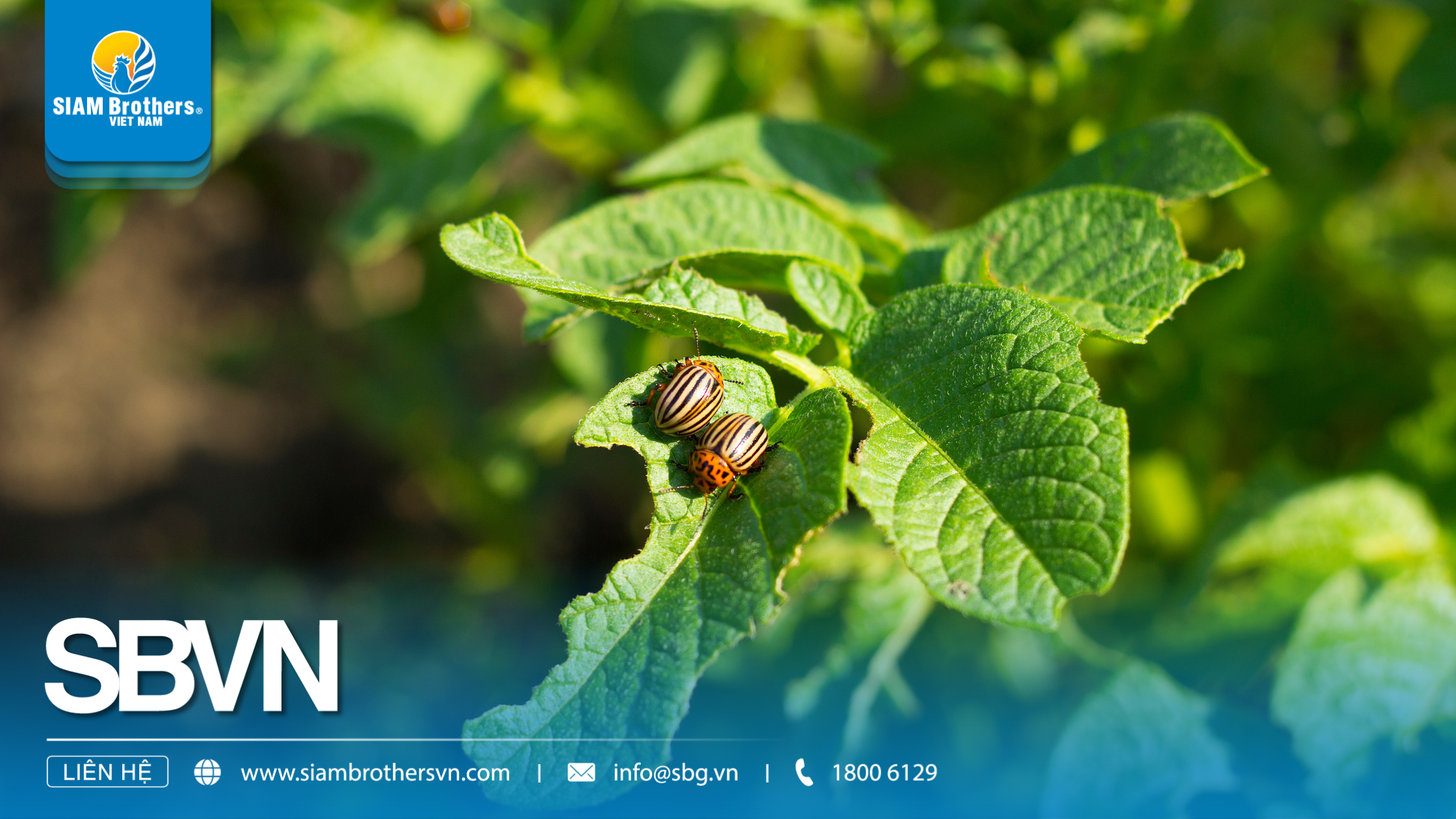
Core elements of the Principles of Pest and Disease Control include:
This approach closely aligns with Integrated Pest Management (IPM) systems, widely applied in farming models that meet standards such as VietGAP and GlobalGAP.
Why Are the Principles of Pest and Disease Control Critical for Crop Success?
If a farming season is viewed as a profit equation, the Principles of Pest and Disease Control function as a key variable for risk management. Correct implementation can:
Regular field monitoring therefore becomes a core operational step in modern pest and disease control strategies.
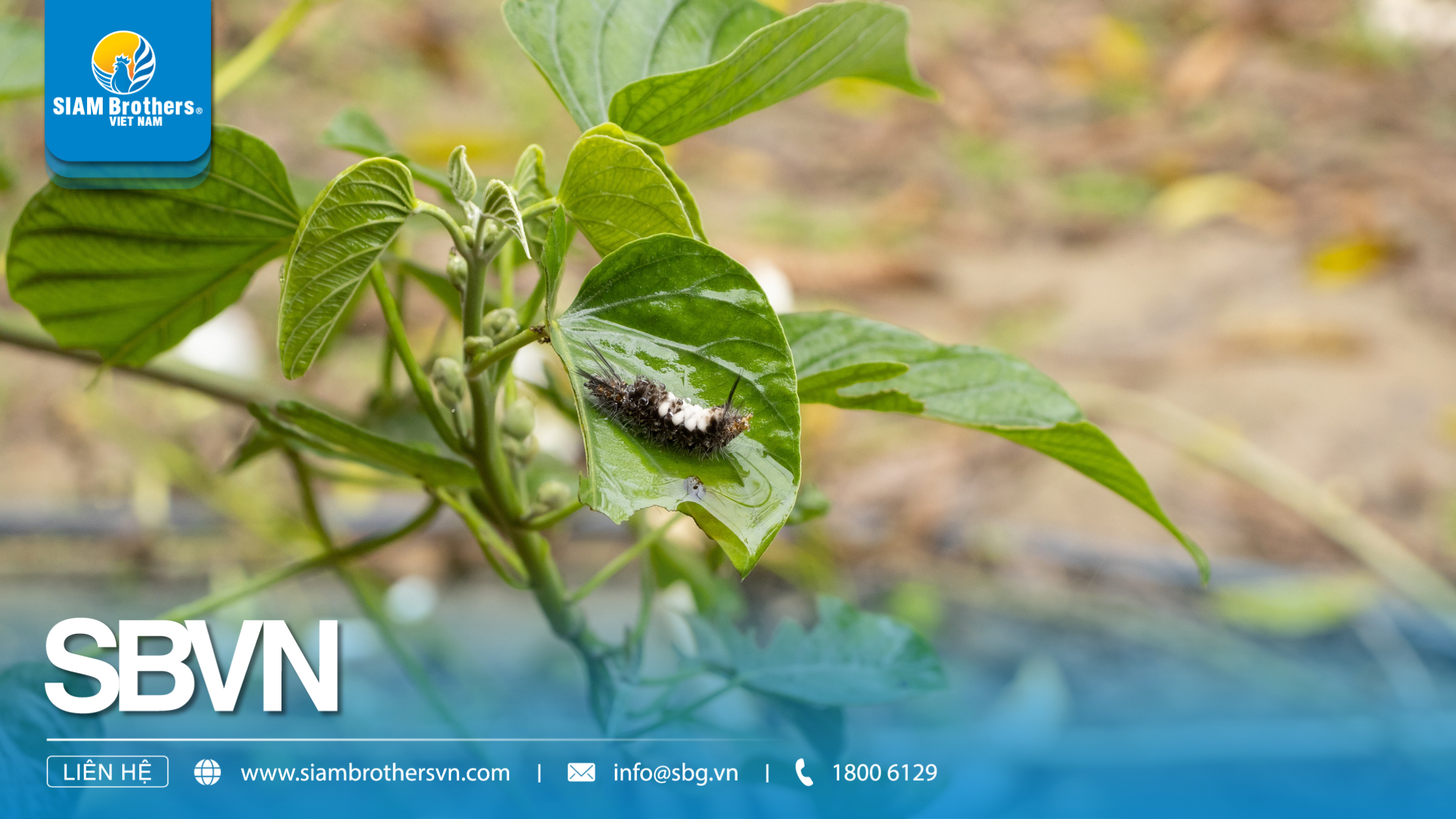
Prevention is always more effective and cost-efficient than treating large outbreaks. This is the most important foundation of the Principles of Pest and Disease Control.
Key preventive practices include:
A common mistake in farming is making pest control decisions based on intuition rather than economic thresholds.
Within the IPM framework, monitoring activities include:
Organizing crop structures properly—such as using trellis systems and specialized agricultural ropes—also helps farmers:
Without reliable monitoring data, the Principles of Pest and Disease Control cannot be effectively implemented.
The IPM model emphasizes the flexible integration of multiple control strategies.
Biological methods
Mechanical methods
Combining these approaches helps create a balanced pest management ecosystem.
In modern agriculture, crop success is measured not only by yield but also by the ability to maintain soil health and environmental sustainability.
Implementing this principle requires:
The Eco Farm agricultural rope line from SIAM Brothers is designed to support long-term farming systems, making it suitable for large-scale farms and agricultural supply distributors serving local growers.
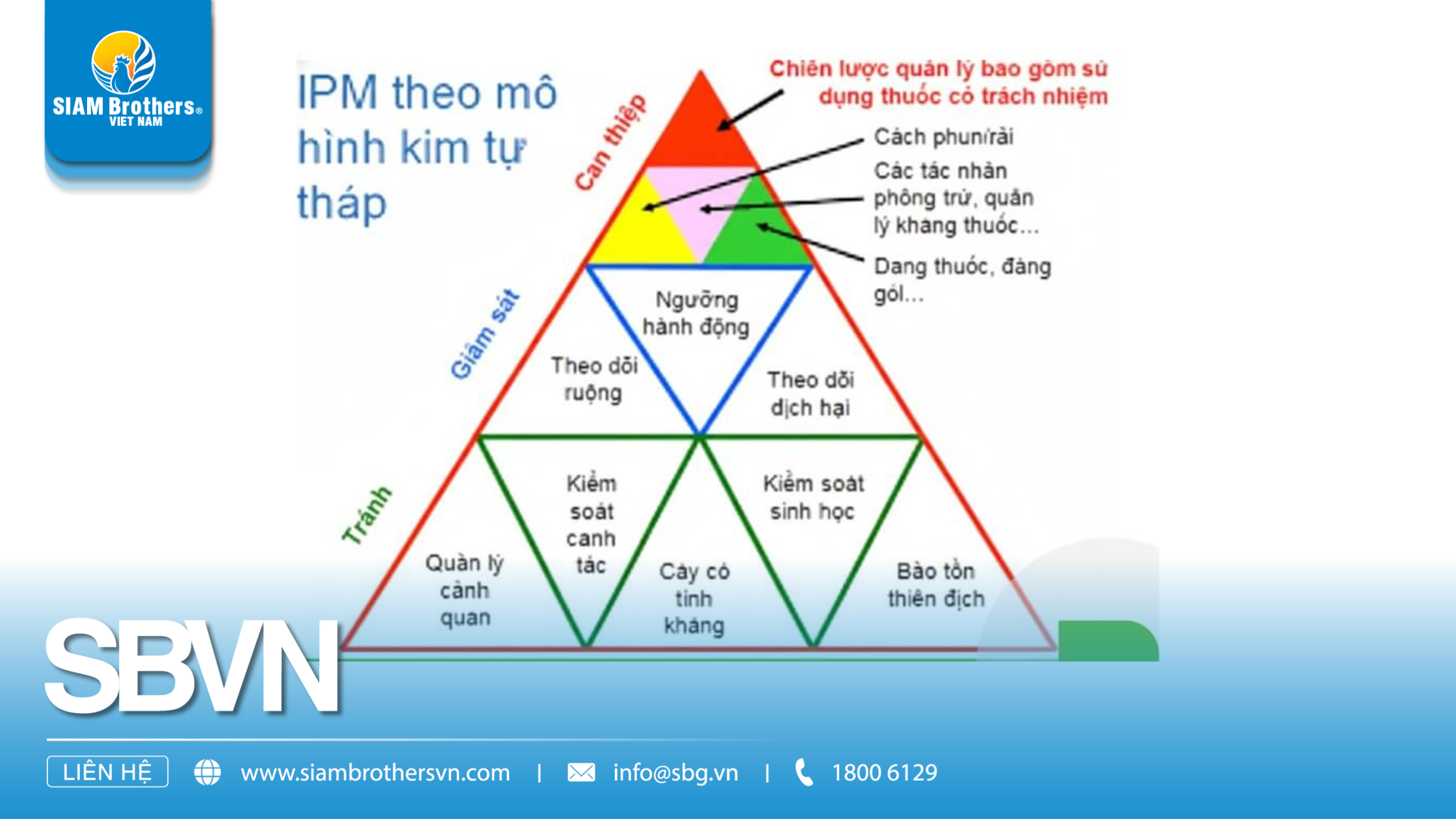
A prevention-first strategy significantly reduces losses when crops are in their most vulnerable growth stages.
Practical outcomes include:
When crops are securely supported by appropriate trellis systems and agricultural ropes:
In practice, many farms use Eco Farm agricultural ropes from SIAM Brothers Vietnam to stabilize trellis structures, improving microclimate conditions and supporting the effective application of the Principles of Pest and Disease Control.
One of the most visible benefits of applying the Principles of Pest and Disease Control is the reduction of chemical overuse.
Without systematic pest management principles, outbreaks can spread rapidly within days.
With synchronized IPM implementation:
Stable trellis structures, secure tying systems, and standardized crop management processes make it easier to:
Therefore, the Principles of Pest and Disease Control function as a comprehensive risk management system, not merely a reactive treatment method.
As global markets demand stricter food safety standards, reducing chemical residues becomes a significant competitive advantage.
Applying the Principles of Pest and Disease Control helps farms:
The ultimate goal of the Principles of Pest and Disease Control is to maximize overall economic efficiency.
When applied correctly, farmers can:
Achieve higher selling prices due to more stable product quality
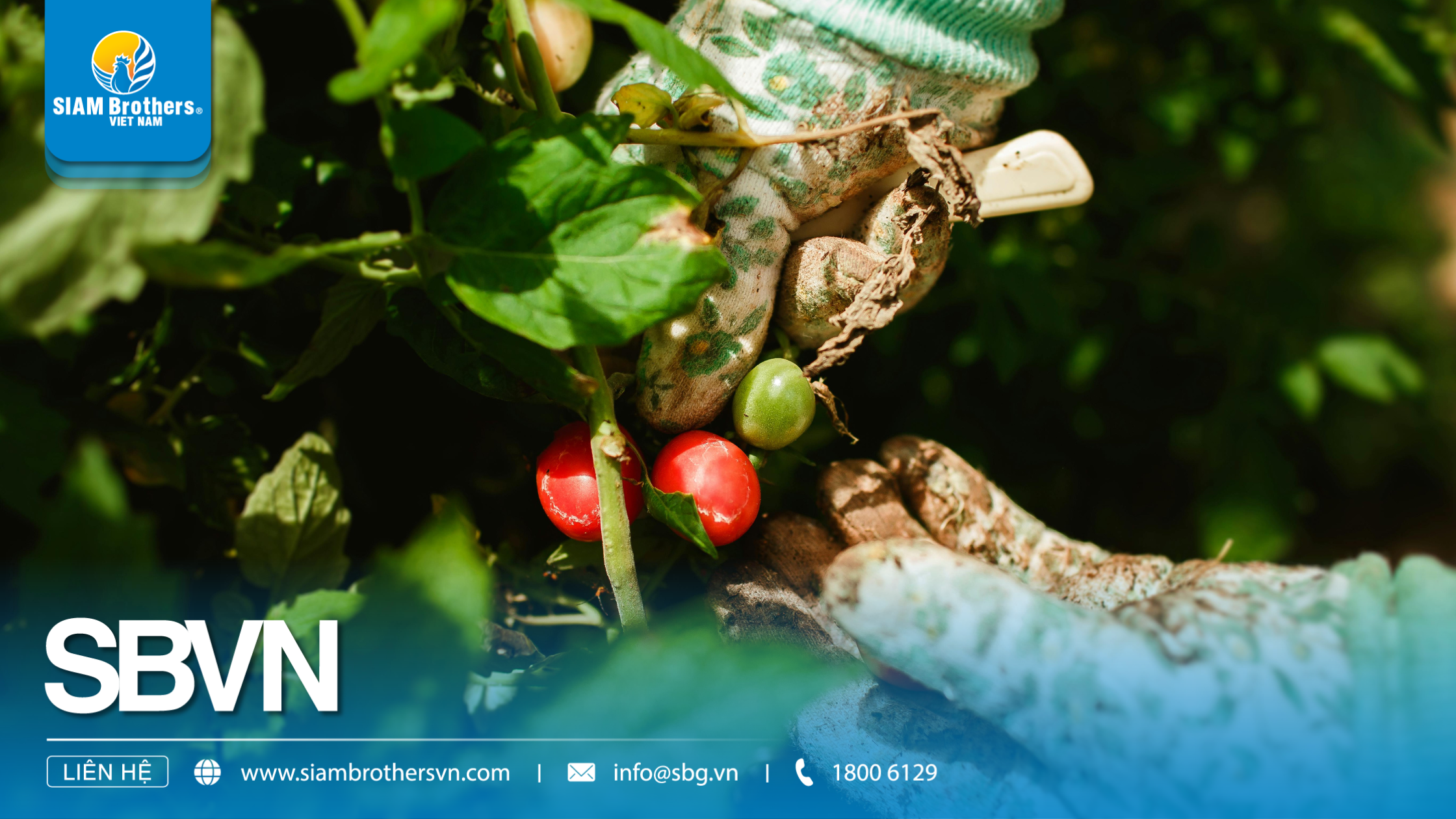
The preparation stage determines more than 40% of the effectiveness of pest management. Proper planning before planting is essential to successfully implement the Principles of Pest and Disease Control in modern agriculture.
Key items to review include:
Standardizing Trellis Systems and Crop Support Structures
Investing in high-quality agricultural ropes, such as the Eco Farm rope line from SIAM Brothers Vietnam, helps maintain stable trellis systems throughout the growing season. This reduces plant breakage and minimizes the risk of fungal diseases caused by excessive canopy moisture.
During the growing season, strict adherence to the Principles of Pest and Disease Control based on the Integrated Pest Management (IPM) model is essential.
Conduct weekly field inspections
A stable trellis structure supported by specialized agricultural ropes helps:
Applying the Principles of Pest and Disease Control through this process allows agricultural enterprises to reduce chemical costs while improving their ability to meet food safety standards.
Many farming operations overlook this stage, even though it is critical for breaking pest life cycles before the next crop season.
Essential post-harvest actions include:
Inspecting and Maintaining Farming Materials
Using high-durability agricultural ropes helps reduce replacement costs across multiple seasons while maintaining stable production infrastructure.

In modern agriculture, the Principles of Pest and Disease Control focus on proactive and sustainable pest management, including:
Applying these components systematically helps farmers manage seasonal risks effectively rather than reacting to sudden outbreaks.
Overusing chemical pesticides may cause several problems, including:
The Principles of Pest and Disease Control within the IPM framework encourage:
This approach is especially suitable for farms and agribusinesses pursuing sustainable agricultural production.
Mechanical methods act as a passive yet highly effective long-term defense layer.
Examples include:
Using specialized agricultural ropes can:
The Eco Farm agricultural rope line from SIAM Brothers is engineered for high strength, low elongation, and outdoor durability, making it suitable for long-term farming systems and supporting the effective implementation of the Principles of Pest and Disease Control throughout the crop season.
For large farming operations, implementation should follow a systematic management model:
With clear procedures and stable farming infrastructure, agribusinesses can significantly reduce the risk of widespread pest outbreaks and optimize long-term profitability.
The level of loss reduction depends on several factors:
When the Principles of Pest and Disease Control are implemented correctly—especially through early prevention and economic threshold management—many real farming models have recorded:
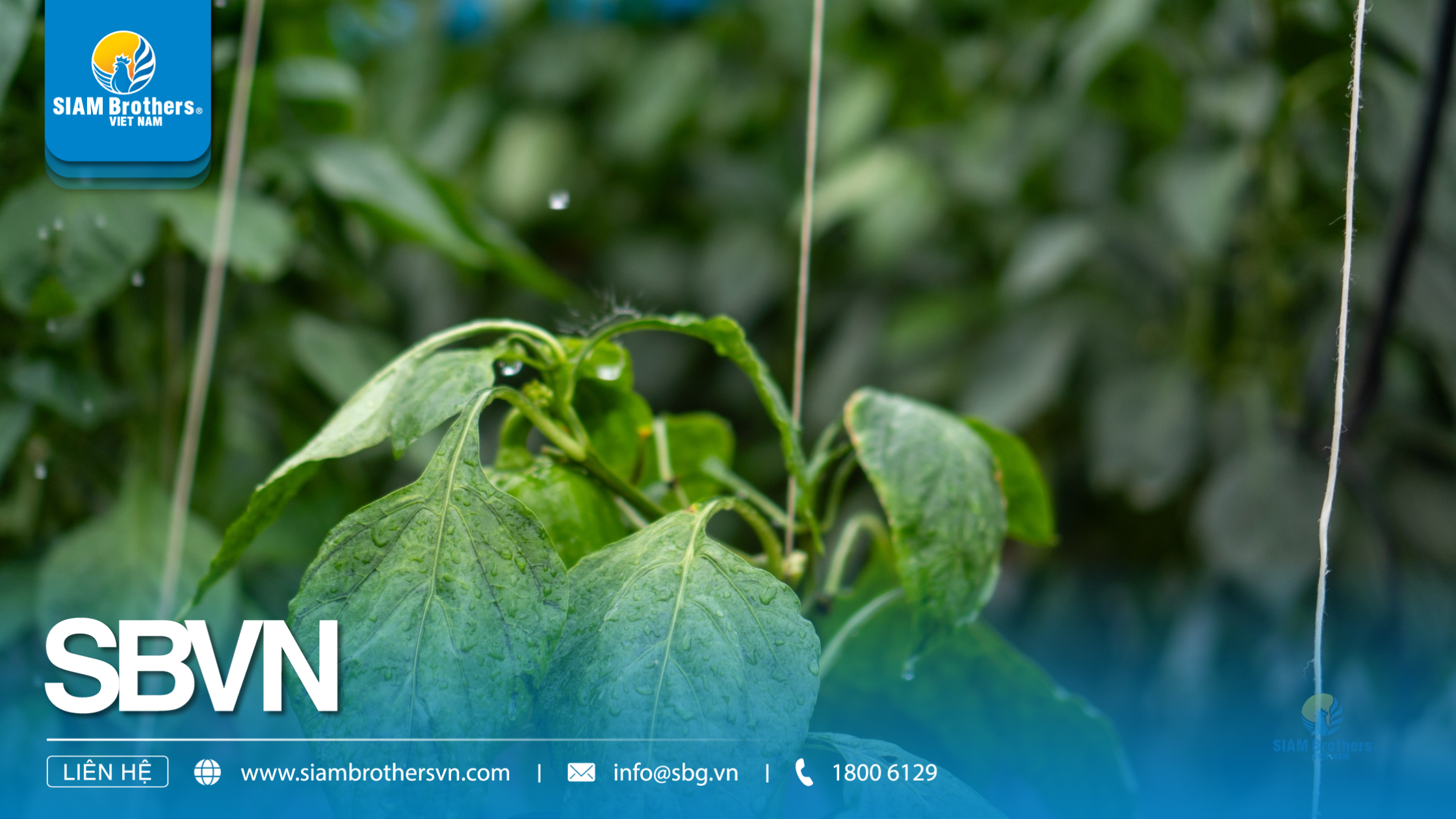
The Principles of Pest and Disease Control are not merely theoretical guidelines but a risk management strategy that helps agribusinesses and farmers reduce 30–50% of seasonal crop losses when applied systematically.
From early-season prevention, economic threshold monitoring, and the integration of biological, mechanical, and chemical methods to the standardization of trellis systems and agricultural materials, these practices together create a sustainable and cost-efficient production process.
If you are looking for durable agricultural materials that support effective pest management, contact SIAM Brothers Vietnam for expert consultation and suitable farming solutions.
Source: SIAM Brothers Vietnam
Contact us:
► Address: 5th floor, VRG Building, 177 Hai Ba Trung Street., Xuan Hoa Ward, Ho Chi Minh City, Vietnam
► Hotline: 1800 6129
► Tel: (+84) 28 38 912 889
► Email: info@sbg.vn
► Follow us for more details at: Facebook - Zalo OA - Tiktok - Youtube - LinkedIn
Download SBVN ID app here:
► CHPlay
► Appstore









Specializing in Agricultural and Fisheries Products & Multipurpose Wire